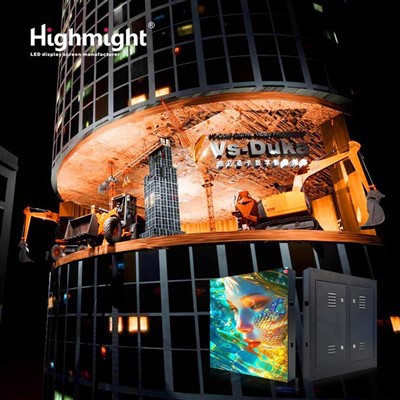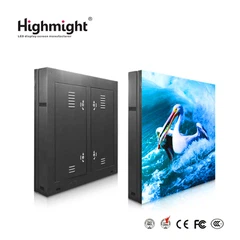



As a supplier of outdoor LED modules, I often encounter inquiries from customers in cold - climate regions about whether our products can be used in such harsh environments. This blog aims to address this question comprehensively, delving into the technical aspects, performance, and precautions of using outdoor LED modules in cold climates.


Technical Considerations
The first thing to understand is the impact of cold temperatures on the electronic components of outdoor LED modules. LEDs themselves are semiconductor devices. In general, LEDs can operate in a wide temperature range, but extremely cold conditions can pose challenges.
One of the main concerns is the effect on the LED chips. At low temperatures, the electrical resistance of the semiconductor materials in the LED chips may increase. This can lead to a decrease in the forward current flowing through the LEDs if the power supply is not properly regulated. As a result, the brightness of the LEDs may be affected, and in some cases, the color temperature of the light output can also change.
Another critical component is the power supply unit. Cold temperatures can cause the electrolytic capacitors in the power supply to lose their capacitance. This can lead to instability in the power output, which may damage the LEDs or cause flickering. High - quality power supplies with components designed for low - temperature operation are essential for reliable performance in cold climates.
Performance in Cold Climates
Despite the potential challenges, modern outdoor LED modules are designed to withstand a certain degree of cold. Our High Brightness Outdoor LED Module is engineered with advanced materials and technologies to ensure stable performance even in sub - zero temperatures.
In cold climates, one advantage of LED modules is that they generate less heat compared to traditional lighting sources. While this is beneficial in terms of energy efficiency, it also means that they have less self - heating to counteract the cold. However, proper thermal management systems can be incorporated into the design of the LED modules. For example, heat sinks can be used to transfer any generated heat more effectively, preventing the LEDs from getting too cold and maintaining their performance.
Our Energy - saving Outdoor LED Modules are also designed to maintain their energy - saving properties in cold weather. The efficiency of LEDs is generally higher at lower temperatures, which means that they can provide the same level of illumination with less power consumption compared to warmer environments.
Pre - installation Precautions
Before installing outdoor LED modules in cold climates, several precautions should be taken. First, it is crucial to choose the right type of LED module for the specific temperature range of the location. Our sales team can provide detailed information about the temperature ratings of different products to help customers make the best choice.
The installation location also matters. Avoid installing the LED modules in areas where they are exposed to direct wind or extreme cold drafts. Instead, place them in sheltered areas or use protective enclosures. These enclosures can not only protect the LED modules from the cold but also from other environmental factors such as snow, ice, and moisture.
Maintenance in Cold Climates
Regular maintenance is essential to ensure the long - term performance of outdoor LED modules in cold climates. Snow and ice accumulation on the surface of the LED modules can block the light output and put additional stress on the structure. It is important to remove snow and ice gently to avoid damaging the modules.
Periodic inspections of the electrical connections are also necessary. Cold temperatures can cause the expansion and contraction of materials, which may lead to loose connections over time. Tightening the connections and checking for any signs of corrosion can prevent electrical failures.
Case Studies
We have had several customers in cold - climate regions who have successfully installed our Outdoor LED Display Module. For example, in a city in northern Canada where the winter temperatures often drop below - 20°C, a large - scale outdoor advertising display using our LED modules has been operating smoothly for several years. The key to its success was the proper selection of products, careful installation, and regular maintenance.
Conclusion
In conclusion, outdoor LED modules can be used in cold climates with the right design, installation, and maintenance. Our company, as a professional outdoor LED module supplier, is committed to providing high - quality products that can meet the challenges of cold environments.
If you are considering purchasing outdoor LED modules for a cold - climate project, we encourage you to contact us for more information. Our team of experts can offer personalized advice on product selection, installation, and maintenance to ensure the best performance and longevity of your LED lighting system. Let's start a conversation about your project and find the perfect outdoor LED module solution for you.
References
- "LED Lighting Handbook" by John C. Linvill
- "Semiconductor Device Physics" by Donald A. Neamen
- Industry reports on outdoor LED lighting performance in extreme climates