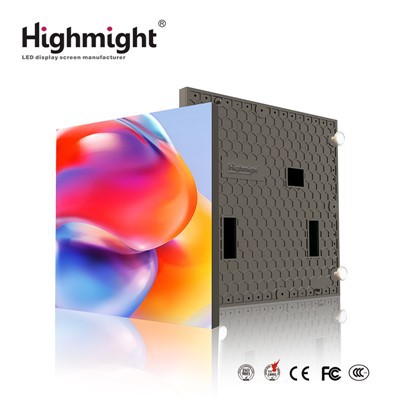




Hey there! As a supplier of indoor LED modules, I often get asked whether indoor LED modules need regular calibration. It's a great question, and in this blog, I'll share my insights based on my experience in the industry.
First off, let's understand what calibration means in the context of indoor LED modules. Calibration is the process of adjusting the LED module to ensure that it displays colors accurately, maintains uniform brightness across the screen, and functions optimally. It's like tuning a musical instrument to make sure it plays the right notes at the right volume.


So, do indoor LED modules need regular calibration? The short answer is yes, but it depends on a few factors.
Factors Affecting the Need for Calibration
1. Usage Time
The more you use your indoor LED module, the more likely it is to require calibration. Just like any electronic device, LEDs can degrade over time. Continuous use can cause some LEDs to dim faster than others, leading to uneven brightness across the display. If your LED module is used for long hours every day, say in a 24/7 retail store or a busy control room, it might need calibration every few months. On the other hand, if it's used only occasionally, like in a small event space that hosts events once a month, calibration can be done less frequently, maybe once or twice a year.
2. Environmental Conditions
The environment in which the LED module is installed plays a crucial role. Extreme temperatures, high humidity, and exposure to dust can all affect the performance of the LEDs. For example, in a hot and humid warehouse, the heat can cause the LEDs to age faster, and the moisture can lead to corrosion. In such conditions, regular calibration is essential to maintain the quality of the display. In a controlled indoor environment, like an air - conditioned office, the need for calibration might be less frequent.
3. Quality of the LED Module
Not all LED modules are created equal. A High - quality LED Module is generally more stable and less likely to require frequent calibration. High - end modules are often made with better materials and more precise manufacturing processes, which means they can maintain their performance for a longer time. Cheaper, low - quality modules, on the other hand, may need more frequent calibration as they are more prone to color shifts and brightness variations.
Benefits of Regular Calibration
1. Accurate Color Representation
One of the main reasons for calibration is to ensure accurate color representation. In applications where color accuracy is crucial, such as in art galleries, photo studios, or advertising displays, a calibrated LED module can make a huge difference. Imagine a clothing store using an LED display to showcase their latest collection. If the colors on the display are not accurate, it can give customers a wrong impression of the actual product color, leading to dissatisfaction and potentially lost sales.
2. Uniform Brightness
Uniform brightness across the entire display is another important aspect. A calibrated LED module will have consistent brightness levels, which makes the display look more professional and visually appealing. In a large indoor venue with multiple LED modules, such as a concert hall or a convention center, uneven brightness can be very noticeable and distracting.
3. Extended Lifespan
Regular calibration can also help extend the lifespan of the LED module. By adjusting the settings to optimize the performance, you can reduce the stress on the LEDs and prevent premature failure. This means you'll save money in the long run by not having to replace the module as often.
How to Calibrate Indoor LED Modules
Calibrating an indoor LED module is not a one - size - fits - all process. It usually involves using specialized calibration equipment and software. Here are the general steps:
- Initial Assessment: First, you need to assess the current state of the LED module. This includes measuring the brightness, color accuracy, and uniformity across the display.
- Adjustment: Based on the assessment results, you can make adjustments to the module's settings. This may involve changing the color temperature, adjusting the gamma curve, or fine - tuning the brightness levels.
- Verification: After making the adjustments, you need to verify that the module is now calibrated correctly. This can be done by re - measuring the brightness and color accuracy and comparing the results with the desired standards.
It's important to note that calibration is a technical process, and it's often best to have it done by a professional. If you're not experienced with LED module calibration, attempting it yourself could lead to more problems than solutions.
Our Role as a Supplier
As a supplier of Indoor LED Display Module, we understand the importance of calibration. That's why we not only provide high - quality LED modules but also offer calibration services. Our team of experts is trained to calibrate LED modules to the highest standards, ensuring that you get the best performance from your investment.
We also provide our customers with tips and guidelines on how to maintain their LED modules to reduce the need for frequent calibration. For example, we recommend keeping the modules in a clean and dry environment, avoiding overheating, and following the manufacturer's usage instructions.
Conclusion
In conclusion, indoor LED modules do need regular calibration, but the frequency depends on various factors such as usage time, environmental conditions, and the quality of the module. Regular calibration offers many benefits, including accurate color representation, uniform brightness, and an extended lifespan.
If you're in the market for an indoor LED module or need calibration services, don't hesitate to get in touch with us. We're here to help you make the most of your LED investment and ensure that your displays look their best. Let's start a conversation about how we can meet your specific needs.
References
- LED Lighting Handbook, 2nd Edition, by Bob Steele
- Display Technology: Fundamentals and Applications, by John Wilson