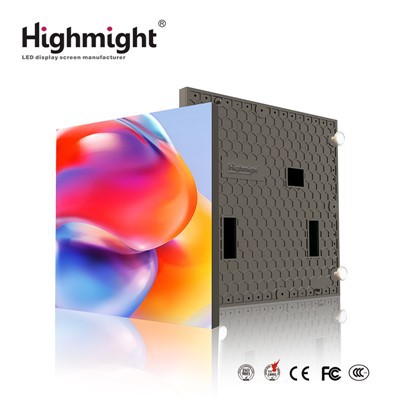



As a supplier of small pitch LED displays, I've witnessed firsthand how color temperature plays a pivotal role in the color perception of these high - end visual solutions. In this blog, I'll delve into the scientific aspects of color temperature and its profound impact on how we perceive colors on small pitch LED displays.
Understanding Color Temperature
Color temperature is measured in Kelvin (K) and is used to describe the color appearance of light. A lower color temperature, typically around 2700K - 3000K, produces a warm, yellow - orange light similar to traditional incandescent bulbs. This warm light is often associated with a cozy and inviting atmosphere, commonly used in residential settings or areas where a relaxed mood is desired.
On the other hand, a higher color temperature, such as 5000K - 6500K, emits a cool, bluish - white light. This type of light is similar to daylight and is commonly used in commercial spaces, offices, and areas where high visibility and concentration are required.
How Color Temperature Affects Color Perception
Impact on Color Rendering Index (CRI)
The Color Rendering Index is a measure of how accurately a light source can reproduce the true colors of objects compared to a reference light source. Small pitch LED displays with different color temperatures can have varying CRI values.
A display with a lower color temperature may have a high CRI for warm - toned colors. For example, reds, oranges, and yellows may appear more vivid and true - to - life under a warm light. However, cooler colors like blues and greens may not be as accurately represented.
Conversely, a display with a higher color temperature generally has a better CRI for cooler colors. Blues and greens will look more vibrant and natural, while warm colors might lose some of their richness. When choosing a small pitch LED display, it's essential to consider the content that will be shown. For instance, if you're displaying artworks with a lot of warm - toned colors, a display with a lower color temperature and high CRI for warm colors would be more suitable.
Psychological and Emotional Effects
Color temperature also has psychological and emotional impacts on viewers. A warm - toned small pitch LED display can create a sense of comfort, relaxation, and intimacy. It's often used in settings like hotels, restaurants, and home theaters. For example, in a hotel lobby, a warm - toned display showing promotional videos can make guests feel welcome and at ease.


A cool - toned display, on the other hand, can evoke feelings of professionalism, focus, and energy. This makes it ideal for corporate offices, control rooms, and educational institutions. In a trading floor, a cool - toned small pitch LED display can help traders stay alert and focused on real - time market data.
Contrast and Visibility
The contrast between different colors on a small pitch LED display can be affected by color temperature. A display with an inappropriate color temperature may cause some colors to blend together, reducing visibility.
For example, if you're using a display with a very high color temperature to show a design with a lot of warm - toned text on a light - colored background, the text may not stand out as clearly. The high - energy blue light can make the warm colors look washed out, reducing the contrast and making it difficult for viewers to read the text.
Practical Considerations for Small Pitch LED Display Suppliers
As a small pitch LED display supplier, we need to provide customers with options that suit their specific needs. Here are some practical considerations:
Customization
We offer a range of color temperature options for our Indoor LED Small Pitch Screen. Customers can choose the color temperature that best fits their application. Whether it's a cozy home theater or a high - tech control room, we can customize the display to meet their requirements.
Color Calibration
To ensure the best color perception, we provide color calibration services. Our technicians use advanced tools to adjust the color temperature, CRI, and other parameters of the display. This ensures that the colors on the screen are as accurate and vibrant as possible.
Product Recommendations
Based on the customer's intended use, we offer product recommendations. For example, if a customer is looking for a Small Pitch Full Color LED Display for a retail store to showcase clothing, we might recommend a display with a medium - high color temperature and high CRI to accurately represent the colors of the garments.
Case Studies
Museum Installation
A local museum approached us to install a P1.2 Small Pitch LED Display in their art gallery. The goal was to display digital replicas of historical paintings. After careful consideration, we recommended a display with a color temperature of 3500K. This temperature provided a warm and inviting atmosphere while also having a high CRI for the warm - toned colors commonly found in the paintings. The result was that the paintings on the display looked almost as good as the real ones, enhancing the overall museum experience for visitors.
Corporate Conference Room
A large corporation needed a small pitch LED display for their conference room. Since the content would mainly be presentations with graphs, charts, and text, we recommended a display with a color temperature of 6000K. This cool - toned display provided high visibility and made the content look sharp and professional. The employees found it easier to read and understand the information on the screen, improving the efficiency of the meetings.
Conclusion
Color temperature is a crucial factor in the color perception of small pitch LED displays. It affects not only how colors look but also the psychological and emotional responses of viewers. As a small pitch LED display supplier, we understand the importance of choosing the right color temperature for different applications.
Whether you're a museum curator, a corporate executive, or a homeowner looking for a high - quality display, we can help you find the perfect small pitch LED display with the ideal color temperature. If you're interested in learning more about our products or discussing your specific needs, please don't hesitate to contact us for a procurement consultation. We're committed to providing you with the best visual solutions tailored to your requirements.
References
- "Lighting Handbook: Reference and Application", Illuminating Engineering Society of North America.
- "Color Science: Concepts and Methods, Quantitative Data and Formulae", Gunter Wyszecki and W. S. Stiles.
- Research papers on LED lighting and color perception from academic journals such as "Journal of the Illuminating Engineering Society" and "Color Research and Application".