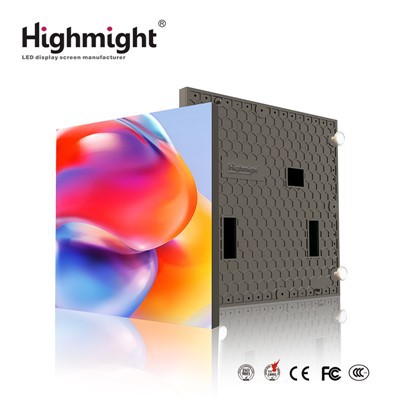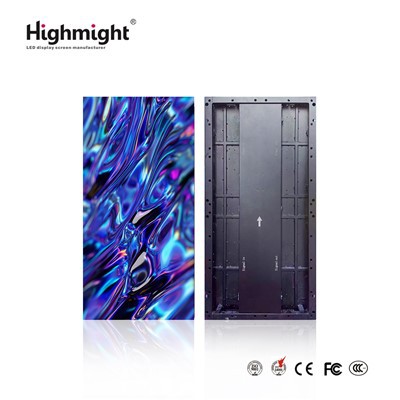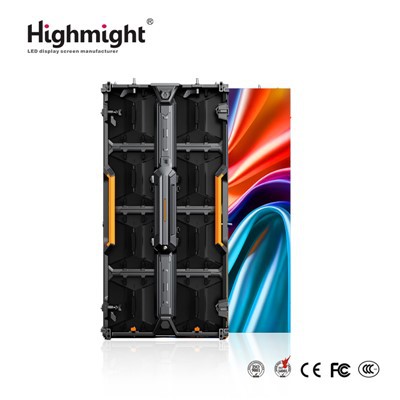



As a seasoned supplier of LED floor tile screens, I've witnessed firsthand the transformative power these innovative displays bring to various spaces. From retail stores and museums to event venues and corporate offices, LED floor tile screens have become a popular choice for creating immersive and engaging visual experiences. However, a successful installation of an LED floor tile screen requires more than just the screens themselves. In this blog post, I'll share the essential accessories needed for a seamless and professional LED floor tile screen installation.


1. Power Supply Units
One of the most critical accessories for an LED floor tile screen installation is a reliable power supply unit (PSU). The PSU is responsible for converting the incoming electrical power into the appropriate voltage and current required by the LED tiles. It's essential to choose a PSU that is compatible with the specific requirements of your LED floor tile screen, including the power consumption, voltage, and current ratings.
When selecting a PSU, consider the following factors:
- Power Capacity: Ensure that the PSU has sufficient power capacity to meet the demands of your LED floor tile screen. Calculate the total power consumption of all the LED tiles and choose a PSU with a higher power rating to account for any potential power surges or fluctuations.
- Efficiency: Look for a PSU with high efficiency to minimize energy consumption and reduce operating costs. A more efficient PSU will also generate less heat, which can help extend the lifespan of the LED tiles and other components.
- Safety Features: Choose a PSU that is equipped with safety features such as overvoltage protection, overcurrent protection, and short-circuit protection to prevent damage to the LED tiles and other components in case of a power malfunction.
2. Data Transmission Cables
Another essential accessory for an LED floor tile screen installation is data transmission cables. These cables are used to transfer the video and control signals from the media player or controller to the LED tiles. It's crucial to use high-quality data transmission cables to ensure reliable and stable signal transmission.
When selecting data transmission cables, consider the following factors:
- Cable Type: Choose the appropriate cable type based on the distance between the media player or controller and the LED tiles. For short distances, you can use standard Ethernet cables. For longer distances, you may need to use fiber optic cables to ensure signal integrity.
- Cable Length: Ensure that the cable length is sufficient to reach from the media player or controller to the LED tiles without any signal degradation. Avoid using cables that are too long, as this can increase the risk of signal loss and interference.
- Shielding: Look for data transmission cables that are shielded to protect against electromagnetic interference (EMI) and radio frequency interference (RFI). Shielded cables can help ensure reliable and stable signal transmission, especially in environments with high levels of electrical noise.
3. Mounting Brackets and Frames
Mounting brackets and frames are essential accessories for securely installing LED floor tile screens. These accessories are used to support the weight of the LED tiles and ensure that they are properly aligned and leveled. It's important to choose mounting brackets and frames that are compatible with the specific model and size of your LED floor tile screen.
When selecting mounting brackets and frames, consider the following factors:
- Material: Choose mounting brackets and frames that are made of high-quality materials such as aluminum or steel to ensure durability and strength. These materials are also resistant to corrosion and can withstand the rigors of daily use.
- Design: Look for mounting brackets and frames that are designed to provide easy installation and adjustment. Some mounting brackets and frames may come with adjustable features that allow you to fine-tune the position and angle of the LED tiles for optimal viewing.
- Load Capacity: Ensure that the mounting brackets and frames have sufficient load capacity to support the weight of the LED tiles. Calculate the total weight of all the LED tiles and choose mounting brackets and frames with a higher load capacity to ensure safety and stability.
4. Media Players and Controllers
Media players and controllers are used to manage and control the content displayed on the LED floor tile screen. These accessories allow you to play videos, images, and other multimedia content, as well as adjust the brightness, contrast, and color settings of the LED tiles. It's important to choose a media player and controller that is compatible with the specific requirements of your LED floor tile screen.
When selecting media players and controllers, consider the following factors:
- Compatibility: Ensure that the media player and controller are compatible with the specific model and brand of your LED floor tile screen. Some media players and controllers may require specific software or drivers to work properly with certain LED floor tile screens.
- Features: Look for a media player and controller that offers a wide range of features and functions, such as support for multiple video formats, real-time content editing, and remote control capabilities. These features can help you create and manage engaging and dynamic content for your LED floor tile screen.
- Performance: Choose a media player and controller that offers high performance and reliability. Look for models that are equipped with powerful processors and graphics cards to ensure smooth and seamless video playback, even for high-resolution content.
5. Protective Covers and Mats
Protective covers and mats are optional accessories that can help protect your LED floor tile screen from damage and wear. These accessories are especially useful in high-traffic areas or environments where the LED floor tile screen may be exposed to dust, dirt, or other contaminants.
When selecting protective covers and mats, consider the following factors:
- Material: Choose protective covers and mats that are made of high-quality materials such as PVC or rubber to ensure durability and resistance to wear and tear. These materials are also easy to clean and maintain.
- Thickness: Look for protective covers and mats that are thick enough to provide adequate protection for the LED floor tile screen. A thicker cover or mat will also help absorb shock and reduce the risk of damage from impact.
- Transparency: If you want to maintain the visual appeal of your LED floor tile screen, choose a protective cover or mat that is transparent or semi-transparent. This will allow the content displayed on the LED floor tile screen to be clearly visible while still providing protection.
Conclusion
In conclusion, a successful installation of an LED floor tile screen requires careful planning and the use of the right accessories. By choosing high-quality power supply units, data transmission cables, mounting brackets and frames, media players and controllers, and protective covers and mats, you can ensure a seamless and professional installation that will provide years of reliable and engaging performance.
If you're interested in purchasing LED floor tile screens or any of the accessories mentioned in this blog post, please don't hesitate to contact us for more information. Our team of experts is always available to answer your questions and help you choose the right products for your specific needs.
References
- LED Display Technology Handbook. (2023). McGraw-Hill Education.
- Lighting Controls Association. (2023). Lighting Controls: A Guide to Energy Efficiency and Occupant Comfort.
- National Electrical Manufacturers Association. (2023). Safety Standard for Low-Voltage Lighting Systems.