


In the world of modern display technology, flexible LED displays have emerged as a revolutionary product, offering unparalleled versatility and visual appeal. As a dedicated supplier of flexible LED displays, I have witnessed firsthand the growing demand and the numerous applications these displays can serve. One of the most frequently asked questions about flexible LED displays is their brightness. In this blog post, we will explore what brightness means for a flexible LED display, how it is measured, and why it matters.
What is Brightness in a Flexible LED Display?
Brightness, in the context of a flexible LED display, refers to the amount of light emitted by the display panel. It is a crucial factor that determines the visibility and clarity of the content shown on the screen, especially in different lighting environments. A high - brightness display is capable of producing vivid and clear images even in well - lit areas, while a low - brightness display may struggle to be seen in bright sunlight or overly illuminated indoor spaces.
The brightness of a flexible LED display is primarily determined by the power and efficiency of the individual LED chips used in the panel. LEDs, or light - emitting diodes, are semiconductor devices that convert electrical energy into light. The more efficiently they can do this, and the more power they can handle, the brighter the display will be.
How is Brightness Measured?
The standard unit for measuring the brightness of an LED display is the nit, also known as a candela per square meter (cd/m²). A nit represents the amount of light emitted per unit area in a particular direction. For example, a display with a brightness of 100 nits means that it emits 100 candelas of light per square meter.
In general, outdoor flexible LED displays require much higher brightness levels compared to indoor ones. Outdoor displays may need to reach brightness levels of 2000 nits or more to ensure good visibility in direct sunlight. Indoor displays, on the other hand, typically operate in the range of 500 - 1500 nits, depending on the specific application and the lighting conditions of the room.
Why Does Brightness Matter?
Outdoor Applications
For outdoor advertising and signage, brightness is of utmost importance. These displays are often placed in busy city centers, on building facades, or along highways, where they are constantly exposed to natural sunlight. A high - brightness flexible LED display can cut through the glare of the sun and attract the attention of passers - by. Whether it's promoting a new product, announcing an event, or simply providing information, a bright outdoor display ensures that the message is seen clearly.
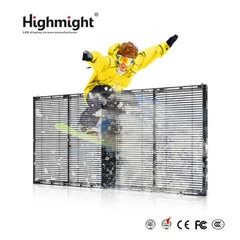
Our High transparency LED crystal film screen offers excellent brightness performance while maintaining high transparency, making it an ideal choice for outdoor applications where both visual impact and aesthetics are required.
Indoor Applications
In indoor settings, such as shopping malls, museums, and exhibition halls, brightness also plays a significant role. A well - lit display can enhance the overall customer experience, making products more attractive and information more accessible. For example, in a museum, a high - brightness flexible LED display can be used to showcase artifacts or historical information in vivid detail. In a shopping mall, it can be used to highlight new arrivals or special offers.


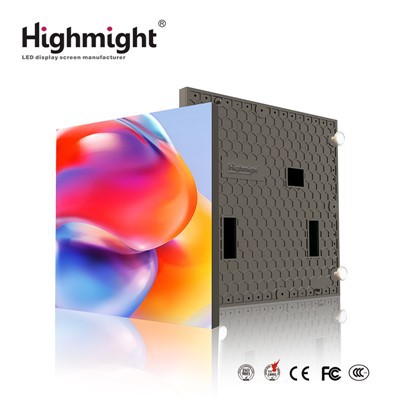
Our High Brightness Indoor Flexible Module is specifically designed for indoor applications, providing the perfect balance of brightness and flexibility to suit various installation requirements.
Factors Affecting Brightness
LED Quality
The quality of the LEDs used in the flexible display is a major factor in determining its brightness. High - quality LEDs are more efficient at converting electrical energy into light, which means they can produce higher brightness levels while consuming less power. Cheaper, lower - quality LEDs may not be able to achieve the same brightness, and they may also degrade more quickly over time.
Pixel Pitch
Pixel pitch refers to the distance between the centers of adjacent pixels in an LED display. A smaller pixel pitch means that there are more pixels per unit area, which can result in a higher - resolution and potentially brighter display. However, other factors such as the quality of the LEDs and the driving circuitry also play a role.
Driving Circuitry
The driving circuitry in an LED display is responsible for providing the correct amount of current to each LED. A well - designed driving circuit can ensure that the LEDs operate at their optimal brightness levels without overheating or experiencing other issues. Poor driving circuitry can lead to uneven brightness, flicker, or premature failure of the LEDs.
Managing Brightness
In some cases, it may be necessary to adjust the brightness of a flexible LED display according to the ambient lighting conditions. This can be achieved through automatic brightness adjustment systems, which use light sensors to detect the amount of light in the environment and then adjust the display brightness accordingly. Manual brightness controls are also available, allowing users to set the brightness level based on their specific needs.
Conclusion
The brightness of a flexible LED display is a critical aspect that affects its performance and suitability for different applications. Whether you need a high - brightness outdoor display to capture attention in the sun or an indoor display with just the right amount of light for a comfortable viewing experience, understanding brightness is essential.
As a leading supplier of flexible LED displays, we are committed to providing high - quality products with excellent brightness performance. Our range of products, including the High transparency LED crystal film screen and High Brightness Indoor Flexible Module, is designed to meet the diverse needs of our customers.
If you are interested in learning more about our flexible LED displays or are looking to make a purchase, we invite you to contact us. Our team of experts will be happy to assist you in choosing the right display for your specific requirements and guide you through the procurement process.
References
- O'Connell, J. (2019). LED Display Technology: Principles and Applications. Springer.
- Zhang, Y., & Wang, L. (2020). Advances in Flexible LED Displays. IEEE Transactions on Electron Devices.