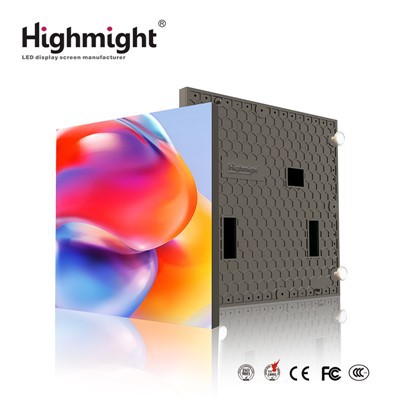

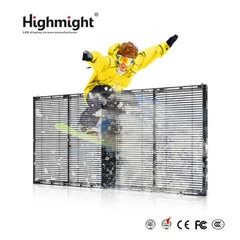


Hey there! As a supplier of transparent LED displays, I often get asked about the heat dissipation of these cool gadgets. So, I thought I'd take a deep dive into what heat dissipation in a transparent LED display is all about.
First off, let's understand why heat dissipation matters. LEDs, like any other electronic components, generate heat when they're in operation. If this heat isn't properly managed, it can lead to a bunch of problems. For instance, excessive heat can cause the LEDs to degrade faster, reducing their lifespan. It can also affect the color accuracy and brightness of the display. You don't want your high - end Transparent LED Full - color Display looking all washed out or losing its vivid colors, right?
Now, how does heat get generated in a transparent LED display? Well, it's mainly due to the electrical resistance within the LEDs themselves. When electricity flows through the semiconductor material in the LEDs, some of the electrical energy is converted into heat energy. This is a natural process, but it needs to be controlled.
There are several methods used for heat dissipation in transparent LED displays. One of the most common ones is passive heat dissipation. This involves using materials with high thermal conductivity to transfer the heat away from the LEDs. For example, aluminum is often used in the display's housing or heat sinks. Aluminum is great because it can quickly absorb the heat from the LEDs and then release it into the surrounding air.
Another method is active heat dissipation. This is where fans or liquid cooling systems come into play. Fans are a relatively simple and cost - effective way to increase the airflow around the display. By blowing air over the heat - generating components, the fans help to carry the heat away more efficiently. Liquid cooling systems, on the other hand, are a bit more complex but can be very effective. They work by circulating a coolant, usually water or a special liquid, through channels near the LEDs. The coolant absorbs the heat and then transfers it to a radiator, where it can be dissipated into the air.


The choice between passive and active heat dissipation depends on several factors. For smaller transparent LED displays, passive heat dissipation might be sufficient. These displays usually generate less heat, and a simple heat sink made of aluminum can do the job. However, for larger displays, especially those with high brightness levels like the High Brightness Transparent LED Display, active heat dissipation is often necessary. High - brightness displays require more power, which means they generate more heat. Without proper active cooling, the display could overheat and malfunction.
When it comes to indoor applications, the heat dissipation requirements are a bit different compared to outdoor ones. Indoor displays, such as the Indoor LED Transparent Advertising Screen, are usually in a more controlled environment. The temperature and humidity levels are relatively stable, and there's often air - conditioning in the room. This means that the heat generated by the display can be more easily managed. Passive heat dissipation might be enough in many cases, but it's still important to ensure good ventilation around the display.
Outdoor transparent LED displays face more challenges when it comes to heat dissipation. They have to deal with extreme temperatures, direct sunlight, and dust. The sunlight can add extra heat to the display, and the high outdoor temperatures can make it harder for the heat to dissipate. In these situations, active cooling systems are almost always required. Fans need to be more powerful, and liquid cooling systems might be a better option to keep the display at a safe operating temperature.
Now, let's talk about how heat dissipation affects the performance of a transparent LED display. As I mentioned earlier, excessive heat can reduce the lifespan of the LEDs. LEDs are designed to operate within a certain temperature range. If the temperature goes above this range, the internal components can start to break down more quickly. This means you'll have to replace the LEDs more often, which can be costly.
Heat can also impact the color and brightness of the display. At higher temperatures, the color output of the LEDs can shift, making the colors look different from what they're supposed to be. The brightness can also decrease as the LEDs become less efficient due to the heat. This can be a big problem, especially for advertising displays where color accuracy and high brightness are crucial.
So, as a supplier, we take heat dissipation very seriously. We make sure that our transparent LED displays are designed with the best heat - dissipation solutions. Whether it's using high - quality aluminum heat sinks or implementing advanced active cooling systems, we want to ensure that our customers get a display that performs well and lasts a long time.
If you're in the market for a transparent LED display, heat dissipation is definitely something you should consider. You don't want to end up with a display that overheats and gives you headaches down the road. And if you have any questions about heat dissipation or our products in general, don't hesitate to reach out. We're always here to help you make the right choice for your needs. Whether it's for an indoor advertising screen or a high - brightness outdoor display, we've got you covered.
If you're interested in discussing a potential purchase or have any specific requirements, feel free to get in touch. We can have a detailed chat about your project and find the best transparent LED display solution for you.
References:
- General knowledge of LED technology and heat management in electronics.
- Industry research on the performance of transparent LED displays under different temperature conditions.