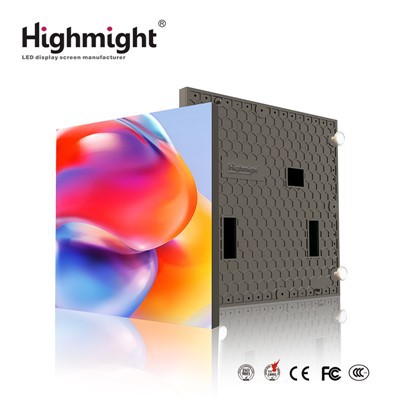



As an indoor LED module supplier, I often get asked about the signal transmission distance of these modules. It's a crucial question, especially for those planning large - scale indoor LED installations. In this blog, I'll break down the factors that affect the signal transmission distance and give you a better understanding of what to expect.
First off, let's talk about the basics of how signals are transmitted in indoor LED modules. Most indoor LED modules use data cables to send signals from the control system to each individual module. The signal contains information about the color, brightness, and display pattern that the module should show.
One of the main factors that influence the signal transmission distance is the type of cable used. There are different kinds of cables, such as HDMI, DVI, and VGA. Each has its own characteristics and limitations when it comes to signal transmission.
HDMI cables are quite popular and are known for their high - definition signal transfer. They can usually transmit signals over a distance of about 15 - 20 meters without any significant loss of quality. However, if you need to go beyond this distance, you might have to use signal boosters or extenders. For example, in a large indoor arena where you have multiple LED modules spread out over a wide area, using a simple HDMI cable might not be enough. You'll need to invest in additional equipment to ensure that the signal reaches all the modules clearly.
DVI cables are another option. They are also used for high - quality signal transmission. DVI cables can typically handle a transmission distance of around 10 - 15 meters. Similar to HDMI, for longer distances, you'll need to use signal - enhancing devices.
VGA cables, on the other hand, are older technology. They can transmit signals up to about 15 - 25 meters, but the quality might start to degrade as the distance increases. VGA cables are more commonly used in older indoor LED setups or in situations where high - definition is not a top priority.
Another important factor is the quality of the LED modules themselves. High - quality LED Module tend to have better signal - receiving capabilities. They are designed to handle signals more efficiently and can often tolerate longer transmission distances without experiencing signal loss. When you're choosing LED modules for your indoor project, it's essential to consider the quality. Cheaper, lower - quality modules might save you some money upfront, but they could end up causing problems with signal transmission in the long run.
The environment where the LED modules are installed also plays a role. Interference from other electronic devices can disrupt the signal. In a modern indoor environment, there are often a lot of electronic gadgets like Wi - Fi routers, mobile phones, and other wireless devices. These can create electromagnetic interference that affects the signal transmission of the LED modules. To minimize this interference, you can use shielded cables. Shielded cables have an extra layer of protection that helps block out external electromagnetic signals.
The complexity of the display pattern also matters. If you're displaying simple static images, the signal requirements are relatively low. However, if you're showing dynamic videos or complex animations, the signal needs to carry a lot more data. This can put more strain on the transmission system and reduce the effective transmission distance. For example, a simple text display on an indoor LED sign will require less signal strength compared to a full - motion video display in a shopping mall.
Now, let's talk about some solutions to extend the signal transmission distance. As I mentioned earlier, signal boosters and extenders are great options. A signal booster amplifies the signal, making it stronger so that it can travel a longer distance. Signal extenders, on the other hand, can be used to split the signal and send it to multiple modules over a greater area.


There are also wireless transmission options available. Wireless technologies like Wi - Fi and Bluetooth can be used to transmit signals to indoor LED modules. However, wireless transmission has its own limitations. Wi - Fi signals can be affected by the number of devices connected to the network and the physical barriers in the environment. Bluetooth has a relatively short range, usually up to about 10 meters. So, while wireless options offer flexibility, they might not be suitable for large - scale indoor LED installations.
If you're looking for a reliable indoor LED solution, Indoor LED Display Module are a great choice. They are specifically designed for indoor use and are optimized for signal transmission. These modules come with features that help ensure a stable and clear signal, even over longer distances.
Moisture can also be a problem in some indoor environments. Moisture can damage the LED modules and disrupt the signal transmission. That's why Moisture - proof LED Module are a great investment. They are designed to withstand humid conditions and keep the signal transmission intact.
In conclusion, the signal transmission distance of indoor LED modules depends on several factors, including the type of cable, the quality of the modules, the environment, and the complexity of the display pattern. By understanding these factors, you can make informed decisions when planning your indoor LED installation.
If you're interested in purchasing indoor LED modules for your project, I'd love to have a chat with you. Whether you need help with choosing the right modules, understanding the signal transmission requirements, or getting advice on installation, I'm here to assist. Reach out to me, and we can start discussing how to make your indoor LED project a success.
References
- LED Display Technology Handbook
- Electronic Signal Transmission Principles for Indoor Displays