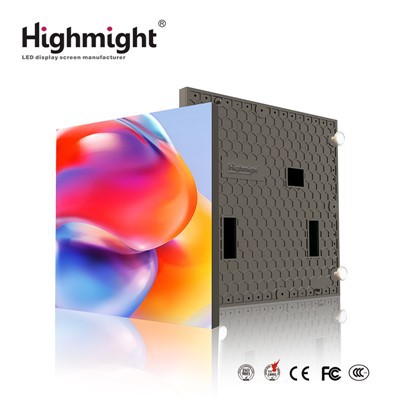

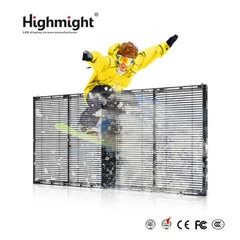


As a supplier of LED crystal film screens, one of the most frequently asked questions I encounter is about the thickness of these screens. In this blog post, I'll delve into the details of the thickness of LED crystal film screens, exploring what factors influence it, typical thickness ranges, and how it impacts the performance and application of these innovative display solutions.


Understanding LED Crystal Film Screens
Before we dive into the thickness aspect, let's briefly understand what LED crystal film screens are. LED crystal film screens, also known as LED Transparent Crystal Film Screen, are a revolutionary type of display technology that combines the high - brightness and energy - efficiency of LED lights with the transparency and flexibility of a film. They are commonly used in various applications, such as commercial advertising, retail window displays, museum exhibitions, and stage performances, due to their ability to provide vivid visual content while maintaining a certain level of transparency.
Factors Influencing the Thickness of LED Crystal Film Screens
The thickness of an LED crystal film screen is not a fixed value and is influenced by several key factors:
1. LED Chip Size
The size of the LED chips used in the screen is one of the primary determinants of its thickness. Smaller LED chips generally allow for a thinner screen. With advancements in LED technology, manufacturers are now able to produce smaller and more efficient LED chips. For example, some of the latest micro - LED chips have a very compact size, which enables the production of ultra - thin LED crystal film screens.
2. Circuit Design
The design of the circuit board that powers the LED chips also plays a significant role. A well - optimized circuit design can reduce the number of layers and components, thereby reducing the overall thickness of the screen. Modern circuit design techniques, such as flexible printed circuit boards (FPCBs), are often used in LED crystal film screens to achieve a more compact and thinner structure. FPCBs can be bent and folded, allowing for a more streamlined design that fits well within the thin film structure.
3. Encapsulation Material
The encapsulation material used to protect the LED chips and the circuit board affects the thickness as well. Different encapsulation materials have different thicknesses and properties. Some encapsulation materials are designed to be very thin while still providing adequate protection against moisture, dust, and mechanical damage. For instance, silicone - based encapsulation materials are popular because they can be applied in a thin layer and offer good flexibility and durability.
4. Additional Layers and Functions
Some LED crystal film screens may have additional layers or functions, such as anti - glare coatings, touch - screen capabilities, or enhanced transparency layers. These additional features will add to the overall thickness of the screen. For example, a touch - screen function requires an additional layer of conductive material and sensors, which will increase the thickness compared to a non - touch screen version.
Typical Thickness Ranges
The thickness of LED crystal film screens can vary widely depending on the specific product and its intended application. Generally, the thickness of these screens ranges from a few millimeters to about 10 millimeters.
Ultra - Thin Screens
Ultra - thin LED crystal film screens are typically less than 3 millimeters thick. These screens are often used in applications where space is limited or where a very sleek and unobtrusive appearance is desired. For example, in high - end retail stores, ultra - thin LED crystal film screens can be installed on glass windows to display product information and advertisements without significantly obstructing the view.
Standard Thickness Screens
Screens with a standard thickness usually range from 3 to 6 millimeters. These screens offer a good balance between performance and thickness. They are suitable for a wide range of applications, including commercial advertising in shopping malls, exhibition displays, and stage backdrops. The standard thickness provides enough space for more powerful LED chips and a more robust circuit design, which can result in better brightness and image quality.
Thicker Screens
Thicker LED crystal film screens, with a thickness of around 6 to 10 millimeters, are often used in applications that require additional durability or more advanced features. For example, in outdoor advertising or industrial applications, thicker screens may be more resistant to harsh environmental conditions. They can also accommodate more complex functions, such as high - resolution displays or advanced touch - screen capabilities.
Impact of Thickness on Performance and Application
The thickness of an LED crystal film screen has a direct impact on its performance and suitability for different applications.
Performance
- Brightness and Contrast: Thicker screens may be able to accommodate more powerful LED chips, which can result in higher brightness and better contrast ratios. However, this also depends on the overall design and efficiency of the screen. Ultra - thin screens may sacrifice some brightness in order to achieve a thinner profile, but they can still provide sufficient brightness for indoor applications.
- Flexibility: Thinner screens are generally more flexible than thicker ones. This flexibility allows them to be installed on curved surfaces or in irregular spaces. For example, in some art installations or architectural designs, the ability to bend and shape the LED crystal film screen can be a crucial factor.
- Energy Efficiency: Thinner screens often have a lower power consumption because they require less energy to power the smaller LED chips and the simpler circuit design. This makes them more energy - efficient, which is an important consideration for long - term use, especially in large - scale installations.
Application
- Indoor Applications: For indoor applications, such as retail stores, museums, and offices, ultra - thin and standard - thickness screens are often preferred. Their thin profile allows them to blend in seamlessly with the surrounding environment, and they can provide high - quality visual content without being too obtrusive.
- Outdoor Applications: In outdoor applications, such as billboards and building facades, thicker screens are more commonly used. The additional thickness provides better protection against weather conditions, such as rain, wind, and sunlight. Thicker screens can also support higher brightness levels, which are necessary for outdoor visibility.
Conclusion
In conclusion, the thickness of an LED crystal film screen is a crucial factor that is influenced by multiple elements, including LED chip size, circuit design, encapsulation material, and additional features. The thickness ranges from a few millimeters to about 10 millimeters, with each range having its own advantages and suitable applications. Whether you need an ultra - thin screen for a sleek indoor display or a thicker screen for a durable outdoor installation, understanding the relationship between thickness and performance is essential for making the right choice.
As a supplier of LED crystal film screens, we offer a wide range of products with different thicknesses to meet the diverse needs of our customers. If you are interested in learning more about our LED crystal film screens or would like to discuss your specific requirements, please feel free to contact us for a detailed consultation and procurement negotiation. We are committed to providing you with the best display solutions tailored to your needs.
References
- "LED Display Technology: Principles and Applications" - A comprehensive book on LED display technology that covers various aspects of LED crystal film screens.
- Industry reports from leading market research firms on the development and trends of LED display products.