


Choosing the correct enclosure for outdoor use is very important in the LED sector since it affects how long LED displays and lighting systems last, how well they work, and how reliable they are. Die-cast aluminum and sheet metal are two common materials for exterior enclosures. Each one has its own pros and downsides, so the best one for you will depend on the needs of your project, the weather, and your budget. In this post, we'll look at the main distinctions between outdoor die-cast aluminum and sheet metal enclosures to help you choose the best one for your needs.
How to Know About Die-Cast Aluminum Enclosures
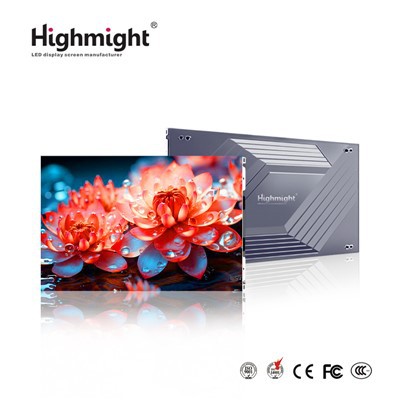
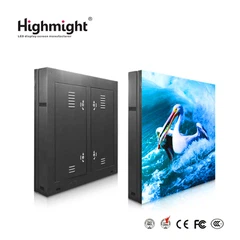
When making die-cast aluminum enclosures, molten metal is injected into a mold under high pressure. This makes a strong, precise, and long-lasting structure. In the LED sector, these enclosures are utilized a lot for outdoor uses including digital billboards, stadium displays, and street lights.

Benefits of Die-Cast Aluminum Enclosures

Die-cast aluminum is very durable and can withstand impact, making it perfect for tough outdoor settings where dirt, vandalism, or accidents may cause physical damage.
Corrosion Resistance: Aluminum naturally generates a protective oxide coating that makes it very resistant to corrosion, especially in coastal or humid locations with high salt.
Accuracy and Consistency: The die-casting technique makes sure that the tolerances are very tight and the structure is always the same. This is very important for housing sensitive LED parts that need to be lined up correctly and protected.
Heat Dissipation: Aluminum is a great conductor of heat, therefore die-cast enclosures are great at getting rid of heat from LED modules. This helps the system last longer.
Lightweight: Die-cast aluminum is strong, but it's also lighter than other metals like steel. This makes it simpler to move and put up.
Die-cast casings frequently offer a sleek, professional look that is perfect for high-end LED displays in cities or businesses.
Drawbacks of Die-Cast Aluminum Enclosures

Higher Cost: These enclosures cost more than sheet metal ones since they are made using die-casting and aluminum, which might be a problem for projects with tight budgets.
Limited Customization: Molds are used to make die-cast enclosures, which makes it hard to change the design. Changing the form or size of a mold may be expensive.
Difficult Repairs: Die-cast enclosures are harder to fix than sheet metal ones when they break, and they typically need to be replaced instead than patched.
Getting to Know Sheet Metal Enclosures
To make sheet metal enclosures, thin sheets of metal, usually steel or aluminum, are cut, bent, and welded together to make the form you want. People often utilize these enclosures for external LED displays like traffic signs, outdoor cabinets, and smaller display panels.
Benefits of Sheet Metal Enclosures
Cost-Effective: Sheet metal enclosures, particularly those constructed of steel, are usually less expensive than die-cast aluminum. This makes them a good alternative for big projects or projects with limited budgets.
High Customizability: You can simply cut, bend, and weld sheet metal into different forms and sizes, which gives you more options for bespoke designs that are made for particular LED uses.
Easy to Fix: You can typically fix damaged sheet metal enclosures by welding or repairing them, which lowers maintenance costs over time.
Strength in Steel Options: Steel sheet metal enclosures are quite strong and may be used for heavy-duty tasks.

Drawbacks of Sheet Metal Enclosures
Risk of Corrosion: Steel sheet metal may rust if it isn't protected with coatings like galvanization or powder coating. Long-term exposure to moisture may still cause corrosion, even with coatings.
Weight: Steel sheet metal enclosures are heavier than aluminum ones, which might make it harder to move and install them, particularly for big LED displays.
Less Heat Dissipation: Compared to aluminum, sheet metal, especially steel, doesn't transmit heat as well. This might cause heat to build up in LED systems, which could compromise performance.
Less Accuracy: The way sheet metal enclosures are made may not be as accurate as die-casting, which might affect how well they fit and protect delicate LED parts.

Important Things to Think About When Choosing the Right Enclosure
When choosing between die-cast aluminum and sheet metal enclosures for your outdoor LED project, think about these things:
1. The state of the environment
Harsh Weather: If the LED system will be outside in really bad weather, including heavy rain, snow, or salty air from the coast, die-cast aluminum is the best option since it is more resistant to rust.
In less demanding settings, sheet metal enclosures with the right coatings may provide enough protection at a reduced cost.
2. Managing heat
LED systems create a lot of heat, particularly when used in displays with high brightness. Die-cast aluminum is great for situations where heat has to be sent away quickly because it has great thermal conductivity. If heat isn't a big issue, sheet metal can be enough.
3. Money Problems
Sheet metal enclosures are a cheap way to protect things without compromising too much strength. But think about the long-term expenses of upkeep and replacement, since die-cast aluminum may end up being cheaper in the long run.
4. Flexibility in Design
Sheet metal is quite flexible, so it's simpler to match unusual demands if your project needs a very precise form or size for the enclosure. Die-cast aluminum works better for designs that are the same.
5. Weight and how to put it together
Die-cast aluminum is lighter than other metals, which may make installation easier and lower the structural requirements for situations where weight is an issue, such huge LED displays installed high up.
6. Requirements for Looks
Die-cast aluminum enclosures generally seem more polished and professional, which makes them good for high-visibility places like store signs or displays in cities. You can make sheet metal enclosures seem nice, but they may not be as elegant as die-cast designs.
Uses in the LED Business
Aluminum enclosures that are die-cast
Large Outdoor LED Displays: Used in stadiums, billboards, and public squares where they need to last a long time, stay cool, and look good.
Street Lighting: LED streetlights are great for houses since they don't rust and can bear heat.
High-End Commercial Signage: Best for high-end installations where looks and durability are important.
Enclosures Made of Sheet Metal
Traffic and Roadside Displays: These are cheap for traffic signs or directional displays that need to be customized.
Industrial LED Systems: Good for tough places where steel's strength is helpful and getting rid of heat isn't as important.
Temporary installations are a fantastic solution for projects that don't need to last long or that are on a tight budget.
The End
When deciding between outdoor die-cast aluminum and sheet metal enclosures for LED applications, you need to think about performance, cost, and the needs of the project. For applications that need the best durability, corrosion resistance, and heat dissipation, especially in severe locations or high-end installations, die-cast aluminum is the best choice. Sheet metal, on the other hand, is a cheap and flexible option for projects with less extreme circumstances or special design demands.
To choose the best decision for your LED project, think about the weather, how much heat it needs to handle, how much money you have, and how it should look. You may choose an enclosure that will keep your outdoor LED system working well and for a long time by carefully thinking about these things.
Contact Us:
Shenzhen Highmight Technology Co., Ltd.
Tel/WhatsApp/WeChat: +86 173 2442 8611 / +86 180 2765 9888
Email: sales@highmight.com