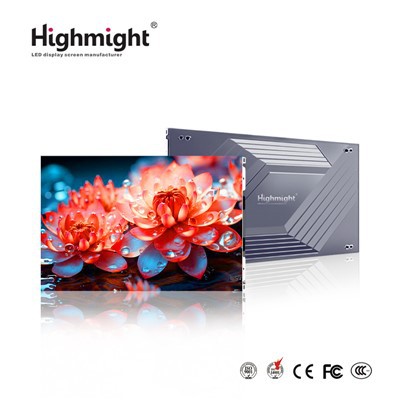



It might be hard to choose between an LCD and an LED display, particularly if you're looking for the best one for your home, workplace, or company. Both alternatives provide good visual experiences, but LED displays are the best choice for bright settings or outdoor use since they are brighter, use less energy, and last longer. LCDs are a good, cheap option if you don't have a lot of money to spend, and they don't scrimp on quality too much.
We'll go over the main differences in this guide to help you pick the best choice for your requirements, such as how much you're prepared to pay and where you'll be using the screen. Are you ready to find out whether an LED screen is the improvement your system needs? Let's get started!

What is LCD?
One of the most prevalent kinds of displays you encounter every day is an LCD, or Liquid Crystal Display. You may find them in TVs, computer monitors, and smartphones. An LCD operates by employing liquid crystals that don't make light on their own. Instead, they change light from a backlight to make the pictures you see. For many people, this makes LCDs a simple and effective option.
What Liquid Crystals Do in LCD Technology
Liquid crystals are interesting because they act like a blend of a solid and a liquid. They flow freely yet stay in a structured alignment. These crystals in an LCD twist and spin to let light through or block it. This is how your screen produces clear images and text. These crystals are what make LCD technology possible, and it's this smart design that maintains LCD popular with those who want reliable performance at a low price.
Different kinds of LCD panels
Different varieties of LCD panels are better for different things, so you need to choose the proper one based on what you want to use it for.
Panels using TN (Twisted Nematic) technology Gamers and anybody else who needs rapid reaction times love them. TN panels are cheap and fast, but they don't have very bright colors or broad viewing angles. They look wonderful from the front, however from the side, the picture might appear a little wrong.
Panels with IPS (In-Plane Switching) IPS panels are hard to match for anyone who want bright colors and clear images. They show colors accurately and are easy to see from practically any angle, which makes them perfect for creative people like designers and photographers. They do cost a little extra, but if you care about having crisp, realistic photos, it's worth it.
Panels for VA (Vertical Alignment) VA panels are a good choice since they provide you deep blacks and accurate colors without costing too much. They work better than TN and worse than IPS, which makes them great for viewing movies or doing jobs that need a lot of contrast. In the end, the ideal LCD panel for you depends on what you value most: speed, color, or a blend of the two.

What is LED?
LED, short for Light Emitting Diode, refers to small semiconductor devices that light up when electricity passes through them. In the world of displays, LED technology has become a game-changer, powering everything from home entertainment systems to large-scale commercial screens. What sets an LED display apart is its ability to produce light efficiently through electroluminescence, without generating unnecessary heat, which keeps things running cool and cost-effective.
How LED Emit Light
The process is straightforward yet impressive: as electricity flows through the diode, electrons combine with positive charges, releasing energy in the form of light. The color of that light varies based on the materials used, allowing for everything from vibrant reds to cool blues-or even full-spectrum multicolored setups. Unlike traditional bulbs with fragile filaments, LED screens are built tough, resisting wear and tear for reliable, long-term use.
Advantages of LED Technology in Displays
Why do so many people turn to LED displays for their needs? It's all about the practical benefits that make a real difference in daily use.
Energy Efficiency: LED screens sip power compared to older tech, helping you keep electricity bills low while being kinder to the environment.
Brightness: Whether indoors or out, an LED display delivers crisp, vivid images that stand out, even in bright sunlight.
Longevity: Expect years of service with minimal upkeep-LED screens often outlast alternatives by a wide margin.
Flexibility: Their design allows for creative shapes, like curved screens, giving you more options for custom installations.
Eco-Friendly Design: Free from harmful substances like mercury, LED displays are a sustainable choice for eco-conscious users.
As Steve Jobs once noted, true innovation sets leaders apart-and LED technology embodies that by pushing boundaries in efficiency and performance.
Types of LED Displays
LED displays come in various forms, each suited to different scenarios, so you can find the perfect match for your project.
Direct View LED These use individual LED pixels for massive, eye-catching setups like billboards or stadium screens-ideal if you're looking to buy an LED display for high-impact outdoor advertising.
Edge-Lit LED Displays With LEDs along the edges and a diffuser for even light distribution, these keep things slim and lightweight. They're a smart pick for modern TVs or monitors where space is at a premium.
Full-Array LED Displays LEDs spread across the entire back panel mean superior contrast and brightness. If you're searching for the best LED screen for premium viewing, this type excels in delivering immersive experiences.

Difference Between LCD and LED (When Used as Display)
Knowing the differences between LCD and LED displays will help you choose the right one for your setup and save you time and money. Both may show great pictures, but LED displays frequently do better in important areas for consumers like you. Let's look at how they compare to help you make a choice.
Quality of the image and accuracy of the color
LED displays usually provide the best picture quality because its diode-based backlighting makes visuals brighter and more colorful, with deeper blacks and more contrast. This makes colors seem more natural, which is important whether you use the screen for films, presentations, or creative work. LCDs, on the other hand, employ fluorescent backlights, which may make blacks seem grayer and colors look a little less realistic. They're still fine, but they don't give you as much of an immersive experience as LED screens can.
If you need better graphics, particularly for applications that need a lot of information, an LED display can be the way to go for that wow factor.
Scale of Brightness and Contrast: LED displays are very good at brightness since they can make things much brighter than LCDs. This makes them easy to see in bright settings or outside. Also, sophisticated LED displays let you dim specific sections, which makes the difference between bright and dark parts more pronounced for a more dynamic perspective.
In regulated lighting, LCDs do well, but in stronger light, they could wash out because of their homogeneous backlight. If you're looking for the finest LED screen for bright places, this feature makes LED stand out.
Energy Efficiency and Power Use
For many people, saving energy is a huge gain, and LED displays are the best at this since they use less electricity to provide the same or greater brightness levels. This means cheaper utility costs and a lesser effect on the environment over time-great if you want to find long-term answers.
LCDs use outdated fluorescent technology, which means they use more power. This might add up if you have more than one panel. If cost and efficiency are important to you, looking for cheap LED display solutions could lead you to alternatives that strike a compromise between cost and long-term savings.
Viewing Angles and Performance in Bright Light
One problem with screens is that they lose quality when you look at them from the side. LED displays, on the other hand, stay crisp and true to color from a broader range of angles. This is particularly useful in groups, such meetings or family rooms, because not everyone is in the front row.
LCD may lose color or change shape when seen from an angle, which limits their usefulness. And in bright areas? LED displays are better at handling glare and sunshine, which keeps the material visible. This makes them great for organizations who need a dependable LED screen for outdoor usage.
Long-lasting and strong
When you buy hardware, you want it to endure, and LED displays frequently last twice as long as LCDs-up to 100,000 hours compared to 30,000–60,000. They are also less likely to burn in or wear out, which means you won't have to replace them as often.
LCDs are strong, but they may start to show their age sooner, particularly if you use them a much. Many clients turn to trustworthy LED screen makers for items that will last as long as they need them to.
Comparing prices and how much they cost
LCD are easy on the pocketbook at first, which makes them a good choice for short-term or budget settings. But think about the long term: LED displays cost more at first, but they save energy and need less maintenance, so they are worth it.
If you're looking into how to get an LED display for your company, look for models that give good value without costing too much. Many of them let you customize them to meet your specific demands.

How to Choose Between LED and LCD for Business Use
It's not just about the specifications when you choose a display; it has to fit the needs of your company. When you're setting up a store, conference room, or outdoor location, here's how to compare LED and LCD to make sure you get the best deal.
1. Figure out what your business needs
Think about where and how you'll utilize it. An LED display's brightness makes it the best choice for outdoor settings since it stands out in the sun. Both function indoors, but if bright advertisements are important, go with LED. If you only need to show minimal information, LCD can be enough. This will save you money for other things that are more important.
2. Things to think about while making a budget
LED displays cost more at first, but they save money over time because they last longer and use less energy. LCDs are good for those on a budget, but you need figure out how much it will cost to acquire one. Want to find the finest LED screen for your business? There are currently a lot of cheap LED display options that fill the gap.
3. Things to think about while installing and maintaining
LED displays are frequently sleeker and simpler to install, and video walls may be made using modular designs. They also don't require as much care. LCDs are simple, however they may need to be fixed more often. For busy businesses, how easy it is to install may make a major difference.
4. Performance in Natural Light
LED displays keep clear and bright in bright places. LCDs work best in low light, although they may have problems in high light. For best effects, match this to your surroundings.
In the end, an LED display is typically the best choice if you want something that will endure and work well. Look at choices like indoor LED displays for crisp, easy-to-care-for images in business environments. What have you done with these? Please share below!
LCD vs. LED Displays
you have to choose what works best for your life or company. LED displays are brighter, use less energy, and last longer than other types of displays. They are also better in tough conditions and save money in the long run. They cost more at first, but they are a good investment since they are reliable and work well. To select the best LED screen for your requirements, look into the premium, custom alternatives that are available.