


Introduction: The New Favorite in the Age of Digital Shopping

The core advantages of LED shelf screens

Shenzhen Highmight Technology Co., Ltd.
The key advantages of LED shelf screens
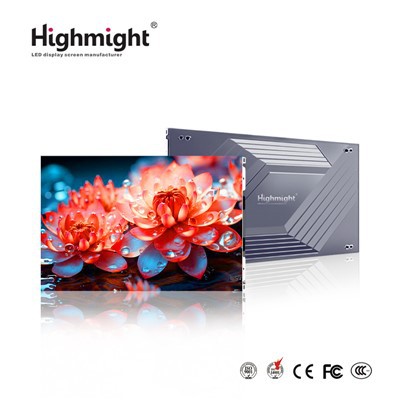
Merchants can make better buying selections if they know how LED shelf screens are built. Typically, these kinds of systems have three main parts: display terminals, control systems, and content management platforms. LED screens that are put on shelves are called display terminals, and the technical settings of these screens have a direct effect on how they seem. Most devices now employ P2.5 or P3 standard LED modules with pixel pitches as narrow as 2.5–3 mm. These may show clear images even when you look at them up close. The screen brightness is normally between 1500 and 2000 nits, which makes it easy to see in the bright light of the mall.
The "brain" of the control system sends commands and data. Most modern LED shelf screens employ wireless technologies like Wi-Fi 6 or LoRa to connect to the internet quickly and reliably. Some advanced systems additionally add edge computing features, which let them keep working on local storage even when the network goes down. It's important to note that the latest generation of control systems now enable AI algorithms. These algorithms can use data from the camera to change the way the screen shows material in real time based on how many people are in each location.
The content management platform is what merchants use to run their businesses every day, thus it needs to be easy to use. Great management software should let you edit by dragging and dropping, use templates, and do batch operations. This way, those who aren't tech-savvy may easily make professional-looking display content. Some platforms also have data analysis panels that allow merchants figure out how each piece of screen content affects the display and make marketing decisions based on that information. For instance, the heat map feature of a given platform might display which promotional information is more popular and help you figure out how to improve your content.
LED shelf screens have their own set of problems when it comes to managing power. Because wiring in stores can be hard, many products run on batteries. A single charge can keep the device running for 3 to 6 months thanks to low-power technology and smart sleep methods. Some new goods even aim to exploit ambient light or vibration energy as extra power sources to make them last even longer. The screen brightness will also change automatically based on the amount of light in the room. This saves energy and makes sure you can see.
Another important technical factor is how easy it is to install. Modern LED shelf screens come with a range of installation choices, such as magnetic suction, a card slot, hanging, and more. These alternatives can be used with shelves made of different materials. There are also particular models for anti-fog and anti-freeze that can be used in places like frozen food sections. Some high-end stores utilize ultra-thin displays that are only 8 mm thick. They don't take up much extra room and fit well into existing shelf designs.

When and how to use it, and examples of when it worked
LED shelf screens have a lot of varied uses in different retail settings. In big supermarkets, these computerized displays are most often utilized to keep prices up to date in the fresh food sections. For instance, a well-known grocery store chain put LED shelf screens in the seafood section and found that they could automatically change prices based on how fresh the fish was and when it was caught. The screen automatically shows the "Today's Special" prompt in the afternoon and raises the discount. This helps cut down on the amount of goods that go unsold that day. This alone cut the amount of fresh food that went bad by 18%.
LED screens are more likely to be used for advertising at convenience stores. A Japanese convenience shop company put narrow strip LED panels on the freezer doors to suggest drinks based on the weather and the time of day. When the temperature rises, this situational marketing automatically highlights ads for cold drinks and suggests hot coffee on wet days. It has raised sales of linked categories by 25%. Through anonymous video analysis, smarter algorithms can also figure out the gender and age of clients. They can then provide various material, such pushing energy drinks to young people and suggesting discount packages to housewives.
In the pharmacy setting, LED shelf screens play a key role in sharing information. A chain of drug stores uses screens to scroll and show medicine efficacy, applicable symptoms, and precautions. This solves the problem of not having enough information on traditional paper labels. During exceptional periods (such as flu season), the system automatically adapts the layout and presents relevant pharmacological information at the top. The device can also show personalized reminders, such "The vitamins you bought last time are about to run out," by connecting to the membership system.
Retailers of electronic goods have made apps that are more engaging. A brand experience store has a touch-sensitive LED screen built into the display stand. Customers can directly compare different model parameters, read user reviews, and even see how the products would work in real life on the screen. This immersive experience makes it much easier for salespeople to explain things, helps customers make decisions faster, and cuts the average transaction time by 40%.
It's worth noting the new use in the high-end retail sector. A micro-LED screen is built into the display cabinet of a jewelry company. The screen starts playing the design inspiration movie and the jewelry's craft analysis as the consumer gets close. This way of delivering stories about the product makes it far more valuable emotionally and boosts the store's conversion rate by 35%. More advanced apps have AR try-on features that let customers view how the necklace looks on them without actually trying it on.
A duty-free shop at an airport in Europe uses LED shelf screens and facial recognition technology (in line with privacy laws) to show passengers the languages they speak and recommend products based on their country. When Chinese passengers walk by, they instantly see Alipay discount information and Chinese presents. When Middle Eastern passengers walk by, they see Arabic instructions and featured scents. This precise marketing has raised the average number of sales per client by 22%, which fully shows how valuable contextualized intelligent display is for business.

How to Pick the Best LED Shelf Screen: A Buying Guide
There are a lot of different LED shelf screen devices on the market, so stores need to choose wisely based on what they require. The most important thing is the size and resolution of the screen. In general, daily necessities supermarkets are good for narrow strip screens that are 5–8 cm high and mostly show prices and basic promotional information. Electronic product stores need bigger screens (15–20 cm high) to show detailed parameters. Luxury stores may want a bigger full-screen effect. For scenes with a viewing distance of less than 1 meter, it is best to use fine pixels below P2.5 to make sure the text is crisp and sharp.
Environmental adaptability is another key indicator. For normal indoor spaces, basic models will do. However, some areas need special attention. For example, in the refrigerated area, you should choose industrial-grade products that can work at temperatures between -20 and 50 degrees Celsius. For outdoor use, you should choose products with a waterproof rating of IP65 or higher. For high-brightness areas (like street windows), the screen brightness should be more than 2000 nits. Condensation water damaged a chain convenience shop because it used regular screens in its freezers. The problem was fixed by switching to customized models.
The system's capacity to integrate has a direct impact on how well it works. The best LED shelf screen solution should be able to link to the retailer's current POS and inventory management systems without any problems so that data can be automatically synced. You should definitely ask the supplier if it has a standard API interface. This medium-sized grocery store didn't think about this when they bought it, thus they had to pay extra costly custom development fees later. Also, think about how the system will grow in the future and make sure it can handle modifications like adding sensors (like RFID).
People frequently don't realize how easy it is to utilize content management software, yet it has a direct impact on how well things run every day. A good management platform should have a visual editing interface, the ability to control permissions at several levels, a scheduled task function, and the ability to see changes in real time. Make suppliers give trial opportunities so that front-line workers can learn it rapidly. A shop once bought a strong but complicated technology, but they had to hire a professional staff to keep it running, which meant they couldn't make changes as needed.
It's also important to consider about what kind of energy solution you want. Wired power is solid but hard to set up, so it's best for places with permanent shelves. Battery power is flexible but needs to be replenished often, so it's best for stores that change their layout often. The price of new hybrid power supply solutions, like solar auxiliary, is high, but they might save you money in the long term. When figuring out the total cost of ownership, think about more than just the price of the item. You should also guess how much it will cost to keep it running and how much energy it will need over the next three to five years.
The long-term value of a system is typically based on its technical support and after-sales service. Give providers with the following services top priority: the ability to diagnose problems remotely, an inventory of spare parts, a promise to respond in two hours, and regular firmware updates. An international brand's experience demonstrates that picking a provider with a local service staff can cut system downtime by 70%. You should also look at the supplier's industry examples, specifically ones that are similar to how your business works.
Privacy compliance is an important but frequently disregarded concern. If the screen system has cameras or sensors built in, it has to follow local data protection laws. The GDPR in the EU and the CCPA in the US have rigorous rules about how businesses can gather client data. From a corporate ethics point of view, data gathering should be limited even in places where the rules are more relaxed, and customers should be told about it in a clear place. A store once had a public relations nightmare because it used facial analysis technology without telling people clearly. This is something to keep in mind.
Shenzhen Highmight Technology Co., Ltd.

Future Outlook: Development Trend of LED Shelf Screens
The technology behind LED shelf screens is changing at an amazing rate, and more new ideas will come out in the next several years. When flexible display technology matures, it will totally modify the shape of screens. The LED shelf screen can bend and fold to fit different shelves with unusual shapes. It can even fit the curve of product packaging to show information. A Korean company that makes displays has made a prototype of a flexible screen that is only 0.5 mm thick. It is expected to be available for commercial usage in 2–3 years. This will provide designers of shop displays more freedom than ever before.
Another key area of growth will be the incorporation of artificial intelligence. In the future, LED shelf screens will not only show content, but they will also use built-in vision systems to assess how customers act in real time, such as how long they stay on the shelf, how they react with their faces, how they track their eyes, and so on. Based on this information, they will then change their display methods. Experimental evidence indicates that AI-optimized content can enhance sales conversion rates by an additional 15-20%. Computer vision-based automatic age and gender recognition, point of interest prediction, and other more advanced uses are possible, but only if stringent privacy protection is in place.
Because augmented reality (AR) features are becoming more popular, LED shelf screens will connect the actual world and the virtual world. Customers can see three-dimensional displays of products, simulations of how they might be used, and even user-generated content (UGC) on social media through the screen or the mobile phone app. IKEA, a store that sells furniture, has been trying out similar technologies to let clients view how sofas might look in their living rooms in real time. This realistic experience will make buyers far less likely to hesitate to buy, especially when it comes to high-value items.
New technologies for protecting the environment will help LED shelf displays with their current challenges with sustainable development. Some companies have started using biodegradable substrates in their new generation of displays, which are made from recyclable materials and have minimal power consumption. A test experiment in a UK supermarket revealed that using solar-powered LED shelf screens can cut a store's carbon impact by 3.5 tons a year. Green technology will become the norm in the industry as environmental rules get stronger and people become more concerned of the environment.
5G edge computing will make LED shelf screens better at processing data in real time. By giving some computational activities to edge nodes, the screen response time can be cut down to milliseconds, allowing for genuinely real-time tailored engagement. A telecom company and a retailer worked together to test a 5G-connected shelf screen system that can handle numerous high-definition television feeds at once, giving each customer their own material without any lag.
Cross-screen collaborative technology will make the customer journey more smooth. In the future, LED shelf screens won't be stand-alone units anymore. Instead, they will connect to other digital devices in the store, such self-service checkout machines, smart shopping carts, electronic billboards, and more. When a customer stands in front of a screen, useful information can be sent to other terminals he contacts later. This smooth experience not only makes sales more efficient, but it also makes customers much happier.
It's important to remember that as technology improves and prices go down, LED shelf screens will be able to reach more people. Experts in the field say that the price of simple LED shelf screens could drop by 40–50% in the next five years, making them accessible for small and medium-sized stores. At the same time, modular design lets businesses slowly roll out their products and lowers the urge to make a big investment right once. This trend toward more people using technology will speed up the digital transformation of the whole retail industry.
Shenzhen Highmight Technology Co., Ltd. is a leader in the field of LED applications and has been pushing the digital transformation of the retail business through technological innovation since it was founded in 2010. The company has created a full-chain competence that includes design, production, sales, and services. It has more than 100 national authorized patents and spends 20% of its income on research and development each year. The LED shelf screen solution it came up with is changing how people, things, and places interact with one other in retail settings.
Shenzhen Highmight Technology Co., Ltd.
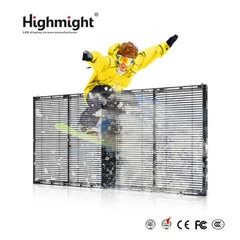
Highmight has an interdisciplinary R&D team of more than 50 people, and its core product lines - including transparent screens, floor tile screens, creative special-shaped screens, etc. - have a market share of more than 50% in multiple market segments. In response to the retail industry's demand for dynamic information display, the company took the lead in integrating high-brightness, low-power LED modules with IoT technology to launch an intelligent shelf screen system that supports real-time data updates. This system can not only seamlessly connect to retailers' ERP and CRM systems to ensure accurate synchronization of price and inventory information, but also realize customer behavior analysis through built-in sensors to provide data support for personalized marketing.
Industry Insights: Solving Retail Pain Points with Scenario-Based Solutions
Highmight is well aware that digital transformation is not a simple technology stacking. In the nearly 10,000 LED display projects completed for global customers, the company has summarized a "three-in-one" implementation methodology: ensuring the deep integration of the system with the POS and inventory management platform through the IT team; jointly developing data visualization content based on heat maps with the marketing department; and assisting the operations department in establishing a remote management mechanism for the screen network. For example, after an international beauty brand adopted the Highmight transparent screen solution, the shelf conversion rate increased by 37%. The key to its success lies in the fact that the company provides not only hardware, but also full-cycle services from data middle platform construction to content template library.
Future layout: Building the cornerstone of the smart retail ecosystem
With the popularization of 5G and AI technologies, Highmight is upgrading LED shelf screens to smart terminals that integrate face recognition, touchless payment, and AR interaction. The establishment of the Guangzhou branch further strengthened the national service network, enabling the company to quickly respond to customers' agile iteration needs in pilots. For retailers who are waiting and watching, Highmight recommends starting with high-value categories and verifying the effect through A/B testing - this is the embodiment of its "pursuit of excellence" concept: speaking with quantifiable ROI rather than technical gimmicks.
In the era of attention economy, Highmight uses LED shelf screens as a fulcrum to help retailers achieve a leap from passive display to active dialogue in the "last meter". Behind this is more than ten years of focus on LED applications, and the adherence to the "customer-oriented" value - just like the design philosophy of its transparent screen products that both highlight the sense of technology and do not cover the product itself: technology must ultimately serve the essence of business.