



Hey there! I'm a supplier of transparent displays, and today I want to dive into a pretty important question: Can a transparent display be recycled?


Let's start by understanding what transparent displays are. They're these super - cool tech gadgets that allow you to see through them while still displaying images, videos, or other digital content. You can find them in all sorts of places, from shopping mall windows to museum exhibits. As a supplier, I've seen the demand for these displays grow over the years, and with that growth comes a responsibility to think about their end - of - life.
The Components of Transparent Displays
Transparent displays are made up of several different components. There are the glass panels, which are a key part of the transparency feature. Then there are the electronic circuits and semiconductors that make the display function. The backlighting system, if it has one, also adds to the complexity. Each of these parts is made from different materials, and that's important when we think about recycling.
The glass in transparent displays is usually a special type, often with coatings to enhance its transparency and durability. This glass can sometimes be recycled, but it's not as straightforward as recycling regular glass. The coatings might need to be removed first, and that can be a tricky process.
The electronic circuits and semiconductors are another story. They contain precious metals like gold, silver, and copper, as well as other elements like silicon. Recycling these components can be really valuable because of the metals they hold. However, extracting these metals is a complex and often expensive process. It requires specialized equipment and techniques to break down the circuits and separate the different elements.
The Current Recycling Situation
Right now, the recycling rate for transparent displays is pretty low. There are a few reasons for this. First of all, the technology is still relatively new, so there aren't as many old displays reaching the end of their life yet. But as more and more transparent displays are being produced and used, this is going to change.
Another issue is the lack of awareness. Many people, even in the tech industry, don't know much about recycling transparent displays. And there aren't a lot of well - established recycling programs specifically for these types of displays. Most recycling facilities are set up for more common electronics like smartphones and laptops, and transparent displays have unique challenges.
However, there are some companies and researchers working on solutions. Some are developing new methods to recycle the glass more efficiently, while others are looking at ways to make the extraction of precious metals from the electronic components easier and more environmentally friendly.
Our Role as a Supplier
As a transparent display supplier, we have a big role to play in promoting recycling. We can start by educating our customers about the importance of recycling and providing them with information on how to do it. We can also work with recycling facilities to develop better recycling processes for our products.
One thing we're doing is looking into designing our displays in a more recyclable way. For example, we're trying to use fewer different types of materials in our products, which would make the recycling process simpler. We're also exploring ways to make it easier to disassemble the displays, so that the different components can be separated more easily.
The Benefits of Recycling Transparent Displays
There are several benefits to recycling transparent displays. First of all, it's good for the environment. Mining for new metals and producing new glass uses a lot of energy and resources. By recycling, we can reduce the demand for these raw materials and cut down on the environmental impact of the mining and manufacturing processes.
Secondly, recycling can be economically beneficial. As I mentioned earlier, the electronic components in transparent displays contain valuable metals. Recycling these metals can be a source of income, and it can also help reduce the cost of producing new displays in the future.
Links to Our Products
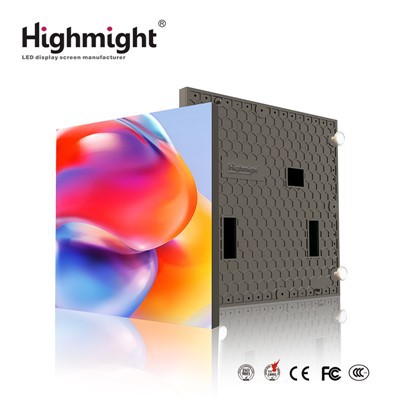
If you're interested in our transparent displays, we have some great options available. Check out our High Brightness Transparent LED Display, which is perfect for outdoor and high - visibility applications. We also offer the Small Pitch Full Color LED Display, which provides stunning image quality. And for indoor use, our Indoor LED Display Module is a great choice.
Let's Talk!
If you're thinking about purchasing transparent displays for your business or project, I'd love to have a chat with you. Whether you have questions about our products, their features, or the recycling process, I'm here to help. We can discuss your specific needs and find the best solution for you.
References
- "Recycling of Electronic Waste: A Review" - Journal of Environmental Management
- "Advances in Glass Recycling Technologies" - International Journal of Recycling of Materials
So, in conclusion, while recycling transparent displays is a challenge, it's definitely possible. With the right efforts from suppliers, customers, and the recycling industry, we can make the recycling process more efficient and sustainable. Let's work together to make a positive impact on the environment while enjoying the amazing technology of transparent displays.