



As a supplier of miniature cobs, one question that often comes up in the industry is how to weigh a miniature cob. This seemingly simple task is actually quite crucial, especially when it comes to ensuring quality control, accurate shipping, and compliance with industry standards. In this blog post, I'll share some insights on the process and why it matters in our line of business.
Why Weighing Miniature Cobs is Important
Before delving into the how - to, let's understand the significance of weighing these small yet valuable components. For a supplier like me, accurate weight measurement is essential for several reasons.
First, it's a key factor in quality control. The weight of a miniature cob can indicate its composition and structural integrity. A cob that is significantly lighter or heavier than the standard may have manufacturing defects, such as missing components or excessive solder. By regularly weighing the cobs, we can identify potential issues early in the production process and take corrective action.
Second, accurate weight is crucial for shipping. Shipping costs are often calculated based on weight, and any inaccuracies can lead to over - or under - charging. Moreover, precise weight information helps in determining the appropriate packaging and handling requirements to ensure the safe delivery of the cobs to our customers.
Tools for Weighing Miniature Cobs
To weigh a miniature cob, you need the right tools. The most commonly used device is a precision scale. A good precision scale should have a high level of accuracy, typically capable of measuring weights to at least a few milligrams. Digital scales are preferred as they offer easy - to - read displays and often come with additional features such as tare functions, which allow you to zero out the weight of the container holding the cob.
When choosing a scale, consider its capacity and resolution. For miniature cobs, a scale with a capacity of a few hundred grams and a resolution of 0.1 mg or better is usually sufficient. Additionally, make sure the scale is calibrated regularly to maintain its accuracy.
The Weighing Process
Here's a step - by - step guide on how to weigh a miniature cob:
-
Prepare the Scale: Place the scale on a stable, level surface away from any sources of vibration or air currents. Turn on the scale and allow it to warm up for a few minutes to ensure accurate readings. Calibrate the scale if necessary, following the manufacturer's instructions.
-
Select a Container: Choose a clean, lightweight container to hold the cob during weighing. A small plastic or glass vial works well. Place the container on the scale and press the tare button to zero out its weight.
-
Handle the Cob Carefully: Use tweezers or a similar tool to pick up the miniature cob. Miniature cobs are delicate, and any damage during handling can affect their weight and performance. Place the cob gently into the container on the scale.
-
Record the Weight: Wait for the scale to stabilize and display a consistent weight reading. Record this weight accurately. Make sure to note the unit of measurement (usually grams or milligrams).
-
Repeat for Accuracy: To ensure the accuracy of the measurement, it's a good idea to weigh the cob multiple times. Take an average of the readings to get a more reliable result.
Factors Affecting the Weight of Miniature Cobs
Several factors can influence the weight of a miniature cob. One of the main factors is the materials used in its construction. Different types of semiconductor materials, substrates, and packaging materials have different densities, which can result in variations in weight.
The manufacturing process also plays a role. For example, the amount of solder used in attaching the components can vary from one cob to another. Additionally, any surface contaminants or residues left on the cob after manufacturing can add to its weight.
Environmental conditions can also have an impact. Humidity, for instance, can cause moisture to accumulate on the cob, increasing its weight. Therefore, it's important to weigh the cobs in a controlled environment to minimize these effects.
Industry Standards and Regulations
In the LED industry, there are certain standards and regulations regarding the weight and quality of miniature cobs. These standards ensure the compatibility and performance of the cobs in various applications. As a supplier, it's our responsibility to comply with these standards.
For example, the weight of a cob may be specified within a certain tolerance range. If a cob falls outside this range, it may be considered non - compliant. By accurately weighing our cobs, we can ensure that they meet these standards and provide our customers with high - quality products.
Our Offerings as a Miniature Cob Supplier
At our company, we take great pride in providing high - quality miniature cobs. We use state - of - the - art manufacturing processes and strict quality control measures to ensure that each cob meets the highest standards.
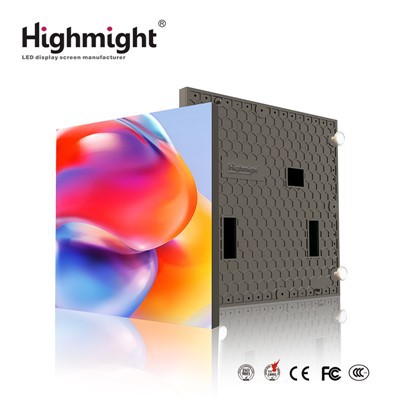
Our cobs are available in a variety of sizes and specifications to meet the diverse needs of our customers. Whether you're looking for COB Small Pixel Pitch, COB Package Small Pitch LED Screen, or COB Small Pitch LED Screen, we have the right product for you.
We understand the importance of accurate weight measurement in the LED industry, and we take every step to ensure that our cobs are weighed precisely. This not only helps us maintain the quality of our products but also ensures that our customers receive accurate information about the cobs they purchase.


Contact Us for Procurement
If you're interested in purchasing miniature cobs for your LED projects, we'd love to hear from you. Our team of experts is ready to assist you in selecting the right cobs for your specific requirements. We offer competitive pricing, fast delivery, and excellent customer service.
Contact us today to start a procurement discussion and take your LED projects to the next level.
References
- "LED Manufacturing Handbook" - A comprehensive guide on the manufacturing processes and quality control of LED components, including miniature cobs.
- Industry standards and regulations published by relevant organizations in the LED industry.
- Manufacturer's manuals for precision scales used in weighing miniature cobs.