
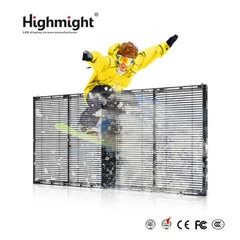


As a supplier of Outdoor LED Display Modules, I often receive inquiries about the diverse applications of our products. One question that has emerged recently is whether an outdoor LED display module can be effectively used in a farm area. In this blog post, I'll explore the feasibility, benefits, challenges, and considerations of using outdoor LED display modules in farm settings.
Feasibility of Using Outdoor LED Display Modules in Farm Areas
Technical Suitability
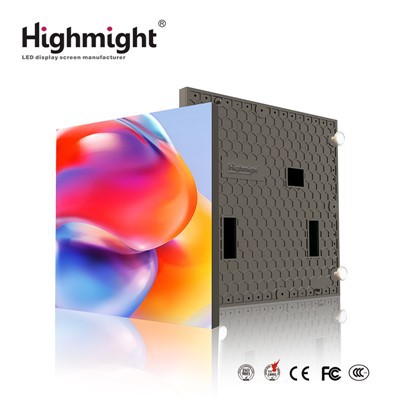
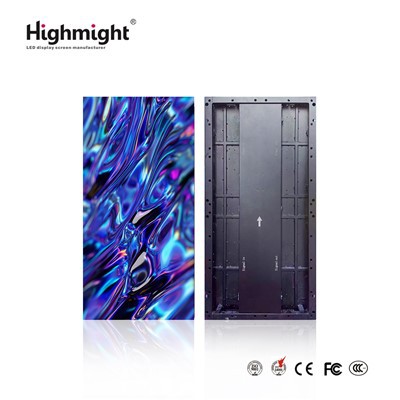
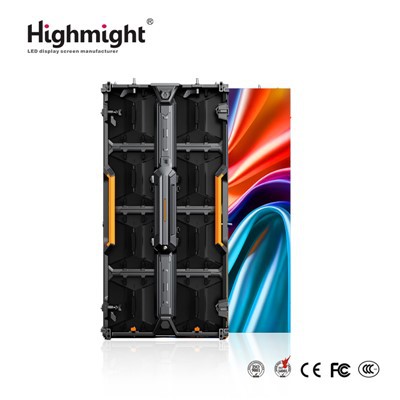
Outdoor LED display modules are designed to withstand harsh environmental conditions, making them well - suited for farm areas. These areas are typically exposed to various weather elements such as rain, sunlight, and dust. Our Outdoor LED Display Module is built with high - quality materials that offer excellent protection against these factors. For example, they are often equipped with a waterproof design, which means they can operate without damage even during heavy rain. You can check out our Waterproof LED Module for more details on this feature.
In terms of brightness, outdoor LED display modules are capable of producing high - intensity light, which is essential in farm areas where there may be a lot of natural light during the day. This ensures that the content on the display can be clearly visible at all times, whether it's for displaying important information about the farm or for advertising purposes.
Power Supply
Farm areas usually have access to electricity, either through the grid or on - site generators. Outdoor LED display modules are energy - efficient, which is a significant advantage in farm settings where power consumption needs to be carefully managed. Our Energy - saving Outdoor LED Modules are designed to consume less power while still delivering high - quality performance. This not only reduces the operational costs for the farm but also makes them a sustainable choice.
Benefits of Using Outdoor LED Display Modules in Farm Areas
Information Dissemination
Farmers can use outdoor LED display modules to convey important information to their workers, visitors, and even the local community. For instance, they can display weather forecasts, which are crucial for planning agricultural activities such as planting, harvesting, and irrigation. They can also show safety instructions, reminding workers to follow proper procedures when operating farm equipment.
Marketing and Promotion
Farmers can promote their products directly on the LED displays. Whether it's fresh produce, dairy products, or other farm - made goods, the display can attract the attention of passers - by and potential customers. This can be especially effective if the farm is located near a busy road or in an area with high foot traffic. The dynamic and eye - catching nature of LED displays can make the farm's products stand out from the competition.
Educational Purposes
Farm areas can also serve as educational sites for schools and the public. Outdoor LED display modules can be used to provide information about different farming techniques, the life cycle of crops and animals, and the importance of sustainable agriculture. This can help raise awareness about farming and food production among the general public.
Challenges of Using Outdoor LED Display Modules in Farm Areas
Environmental Hazards
Although outdoor LED display modules are designed to be weather - resistant, farm areas may present additional environmental hazards. For example, there may be a higher risk of damage from flying debris, such as branches during a storm or dust from agricultural machinery. Farmers need to ensure that the displays are properly installed and protected to minimize the risk of damage.
Maintenance
Regular maintenance is required to keep the outdoor LED display modules in good working condition. In farm areas, where there may be limited technical expertise, it can be challenging to perform complex maintenance tasks. However, as a supplier, we offer comprehensive after - sales support, including maintenance guides and remote troubleshooting services.
Cost
The initial investment in outdoor LED display modules can be relatively high. Farmers need to consider the cost - benefit analysis before making a purchase. However, when considering the long - term benefits such as increased productivity, better marketing, and educational opportunities, the investment can be well - worth it.
Considerations for Using Outdoor LED Display Modules in Farm Areas
Location
The location of the LED display on the farm is crucial. It should be placed in a visible area where it can attract the attention of the target audience. At the same time, it should be protected from direct exposure to extreme weather conditions and potential sources of damage.
Content Management
Farmers need to ensure that the content displayed on the LED modules is relevant, accurate, and up - to - date. This may require some planning and organization. They can use content management systems to easily update and schedule the display of different messages.
Compatibility with Farm Operations
The use of outdoor LED display modules should not interfere with normal farm operations. For example, the installation of the display should not block access to farm equipment or disrupt the movement of vehicles and animals.
Conclusion
In conclusion, an outdoor LED display module can be effectively used in a farm area. Despite the challenges, the benefits of information dissemination, marketing, and education make it a viable option for farmers. As a supplier of Outdoor LED Display Modules, we are committed to providing high - quality products and comprehensive support to help farmers make the most of this technology.


If you are a farmer or someone interested in using outdoor LED display modules in a farm area, we would be more than happy to discuss your specific needs and provide you with a customized solution. Contact us to start a procurement discussion and explore how our products can enhance your farm operations.
References
- "LED Lighting Technology: Applications and Advancements" - Journal of Lighting Research
- "Sustainable Agriculture and the Use of Modern Technologies" - Agricultural Science Review