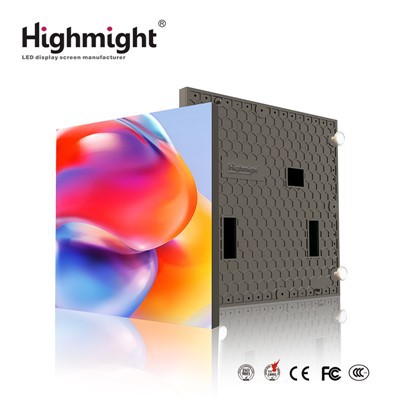



Can indoor LED display modules be used in a cold environment? This is a question that many of our customers have asked, and as a leading supplier of Indoor LED Display Module, I'm here to provide a comprehensive answer based on scientific facts and our practical experience.
Understanding the Basics of Indoor LED Display Modules
Before delving into the question of using indoor LED display modules in a cold environment, it's essential to understand what these modules are and how they work. Indoor LED display modules are designed primarily for use in indoor settings, such as shopping malls, theaters, and corporate offices. They consist of multiple light - emitting diodes (LEDs) arranged in a matrix, which can display various types of content, including text, images, and videos.
These modules are engineered to provide high - quality visual performance under normal indoor conditions, which typically range from 10°C to 35°C (50°F to 95°F) and a relative humidity of 20% to 80%. The internal components of indoor LED display modules, such as the LEDs, driver chips, and circuit boards, are optimized for these temperature and humidity ranges to ensure stable operation and long - term reliability.
Challenges of Using Indoor LED Display Modules in Cold Environments
- Effect on LED Performance
- LEDs are semiconductor devices, and their performance is highly sensitive to temperature. In cold environments, the brightness of LEDs may decrease significantly. The luminous efficiency of LEDs is closely related to temperature, and as the temperature drops, the electrons in the semiconductor material have less energy, resulting in reduced light output. For example, at extremely low temperatures, an LED that normally emits a bright white light may appear dimmer, which can severely affect the overall visual quality of the display.
- Color consistency can also be affected. Different colors of LEDs may have different temperature coefficients, meaning that their color characteristics change at different rates as the temperature drops. This can lead to color shifts, making the displayed content look inaccurate or unappealing.
- Impact on Electronic Components
- The driver chips and other electronic components in the LED display module are also vulnerable to cold temperatures. Cold temperatures can increase the electrical resistance of the circuit boards and components. This increased resistance can lead to higher power consumption and voltage drops, which may cause the driver chips to malfunction or even damage them over time.
- The solder joints on the circuit boards can become brittle in cold environments. Solder is a relatively soft metal, and when it contracts in the cold, it can develop cracks. These cracks can break the electrical connections between components, leading to dead pixels or even complete failure of the display module.
- Moisture Condensation
- Cold environments often have lower absolute humidity levels, but when the temperature of the display module drops below the dew point, moisture can condense on the surface of the module. This moisture can cause short - circuits in the electrical components, corrode the metal parts, and damage the LEDs. For instance, if moisture gets into the LED chips, it can cause oxidation and reduce their lifespan.
Possible Solutions for Using Indoor LED Display Modules in Cold Environments
- Temperature Control
- Heating Systems: One solution is to install a heating system around the display module. This can be in the form of heating pads or infrared heaters. These heating devices can maintain the temperature of the display module within an acceptable range, ensuring stable LED performance and preventing damage to the electronic components. However, adding a heating system increases the complexity and cost of the installation.
- Insulation: Using insulation materials around the display module can slow down the heat loss. Insulating foams or panels can be installed on the back and sides of the module to reduce the impact of the cold external environment. This helps to keep the internal temperature of the module more stable.
- Selecting Suitable Components
- Cold - Resistant LEDs: Some LED manufacturers produce cold - resistant LEDs that are designed to perform better in low - temperature environments. These LEDs have special materials and manufacturing processes that allow them to maintain a more stable brightness and color at cold temperatures. By using these cold - resistant LEDs in our High - quality LED Module, we can improve the performance of the display module in cold conditions.
- Robust Electronic Components: Choosing electronic components with a wider temperature operating range can also enhance the reliability of the display module in cold environments. Components with good low - temperature performance, such as driver chips with a lower temperature coefficient of resistance, can help to reduce the risk of malfunctions.
Our Experience as an Indoor LED Display Module Supplier
Over the years, we have had several customers who were interested in using our indoor LED display modules in cold - storage facilities or outdoor winter events. In one case, a customer wanted to use our modules in a cold - storage warehouse where the temperature was around 0°C. We provided them with a customized solution that included insulation and a simple heating system. We also used cold - resistant LEDs in the modules.
The initial results were promising. The display maintained a relatively stable brightness and color, and the electronic components did not show any signs of malfunction. However, we also monitored the performance of the display over a long - term period. After a few months, we found that the insulation needed to be maintained regularly as some of the insulating materials had settled and lost some of their effectiveness.


Conclusion
In conclusion, while indoor LED display modules are not originally designed for cold environments, it is possible to use them in such conditions with appropriate measures. However, these measures come with additional costs and maintenance requirements. If you are considering using our indoor LED display modules in a cold environment, we recommend a thorough assessment of the specific conditions and a customized solution based on your needs.
We are committed to providing high - quality Indoor LED Display Module solutions. If you have any questions or are interested in discussing a potential purchase, please feel free to reach out to us. Our team of experts is ready to help you find the best solution for your project.
References
- "LED Lighting Handbook" - This comprehensive handbook provides in - depth knowledge about the performance of LEDs under different temperature conditions.
- "Semiconductor Device Physics" - A textbook that explains the fundamental principles of semiconductor devices like LEDs and how temperature affects their operation.
- Industry reports on LED display technology and its application in various environments, which offer practical case studies and data on the performance of LED display modules in cold conditions.