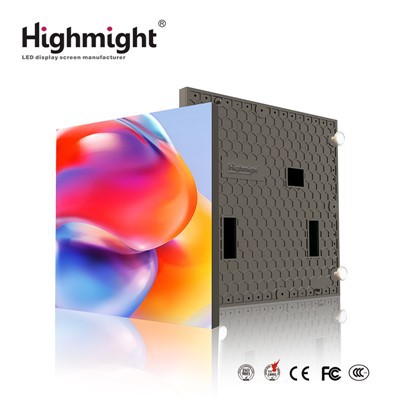

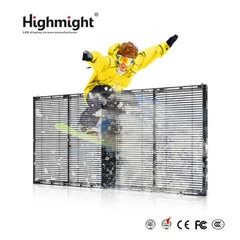


Hey there! As a supplier of transparent LED displays, I often get asked about how these nifty screens perform in cold weather. It's a valid question, especially for those looking to use them outdoors or in unheated indoor spaces during the chillier months. So, let's dive right in and explore this topic.
First off, let's understand what a transparent LED display is. These displays are a game - changer in the advertising and visual display world. They offer a unique combination of transparency and high - quality visual content. You can check out our LED Transparent Advertising Display Screen to get a better idea of what I'm talking about.
Now, when it comes to cold weather, there are a few key factors that can affect the performance of a transparent LED display.
Temperature and Component Functionality
One of the main things to consider is how cold temperatures impact the electronic components of the display. Most electronic parts have an optimal operating temperature range. For transparent LED displays, the typical range is around 0°C to 40°C (32°F to 104°F). When the temperature drops below 0°C, several issues can arise.
The LEDs themselves are sensitive to cold. At low temperatures, the brightness of the LEDs can decrease. This is because the semiconductor materials inside the LEDs have different electrical properties at lower temperatures. The electrons move more sluggishly, which reduces the efficiency of light emission. So, if you're using a Rental Transparent LED Large Screen in a cold outdoor event, you might notice that the colors aren't as vivid and the overall brightness is dimmer than usual.
Another component that can be affected is the power supply. Cold temperatures can cause the internal resistance of the power supply to increase. This means that the power supply has to work harder to deliver the same amount of power to the LEDs. In some cases, if the temperature is extremely low, the power supply might not be able to function properly, leading to a complete shutdown of the display.
Moisture and Condensation
Cold weather often brings with it moisture in the form of snow, ice, or just high humidity. Moisture is the enemy of electronic devices, and transparent LED displays are no exception.
When the display is cold and warm, moist air comes into contact with it, condensation can form on the surface of the LEDs and other components. This condensation can cause short - circuits and corrosion over time. For an Indoor Transparent LED Large Screen, if the room isn't properly heated and ventilated, condensation can still be a problem.
To prevent moisture damage, our transparent LED displays are designed with special waterproof and moisture - resistant coatings. But in extremely cold and wet conditions, additional precautions might be necessary. For example, you can use a dehumidifier in an indoor setting or a protective cover for outdoor displays.
Mechanical Considerations
Cold temperatures can also affect the mechanical parts of the transparent LED display. The materials used in the frame and mounting structures can become more brittle in the cold. This means that they are more likely to crack or break if subjected to stress, such as strong winds or accidental impacts.
We take this into account when designing our displays. We use high - quality, cold - resistant materials for the frames and mounting systems. However, it's still important to handle the displays with care in cold weather.
How to Ensure Good Performance in Cold Weather
If you're planning to use a transparent LED display in cold weather, here are some tips to ensure its optimal performance:
- Pre - heating: If possible, pre - heat the display before turning it on. This can help bring the components up to a more suitable operating temperature. You can use a gentle heat source, like a heater placed at a safe distance from the display.
- Insulation: For outdoor displays, consider using insulation materials to keep the display warm. This can be as simple as a thermal blanket wrapped around the back of the display.
- Regular Checks: Periodically check the display for any signs of damage, such as cracks in the frame or moisture buildup. If you notice any issues, address them immediately.
Real - World Examples
I've had customers who used our transparent LED displays in winter festivals and outdoor events. One customer rented a large transparent LED screen for an ice - skating rink. They followed our advice on pre - heating and insulation, and the display performed really well. The colors were still bright, and there were no mechanical or electrical issues throughout the event.


On the other hand, I also had a situation where a customer didn't take proper precautions. They installed an indoor transparent LED screen in an unheated warehouse during winter. The display started to show signs of reduced brightness and flickering due to condensation. After we helped them set up a dehumidifier and a small heater, the display went back to normal operation.
Conclusion
In conclusion, while transparent LED displays can face some challenges in cold weather, with proper care and precautions, they can still perform well. As a supplier, we're committed to providing high - quality displays that are designed to withstand various environmental conditions.
If you're interested in purchasing a transparent LED display for your project, whether it's for advertising, events, or indoor decoration, don't hesitate to get in touch. We can provide you with all the information you need and help you choose the right display for your specific requirements. Let's work together to create amazing visual experiences!
References
- "Handbook of LED Technology" - A comprehensive guide on LED technology and its performance under different conditions.
- "Electronic Component Reliability in Harsh Environments" - A research paper that delves into how cold temperatures affect electronic components.