


In today's dynamic digital landscape, shock - proof flexible LED displays have emerged as a game - changer for various industries. As a seasoned flexible LED display supplier, I understand the challenges that customers face when choosing the right shock - proof flexible LED display. This blog aims to provide you with a comprehensive guide on how to make an informed decision.
Understanding the Basics of Shock - Proof Flexible LED Displays
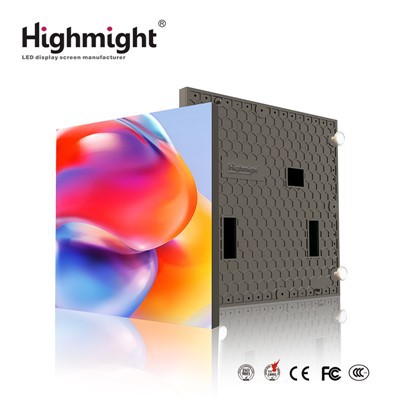
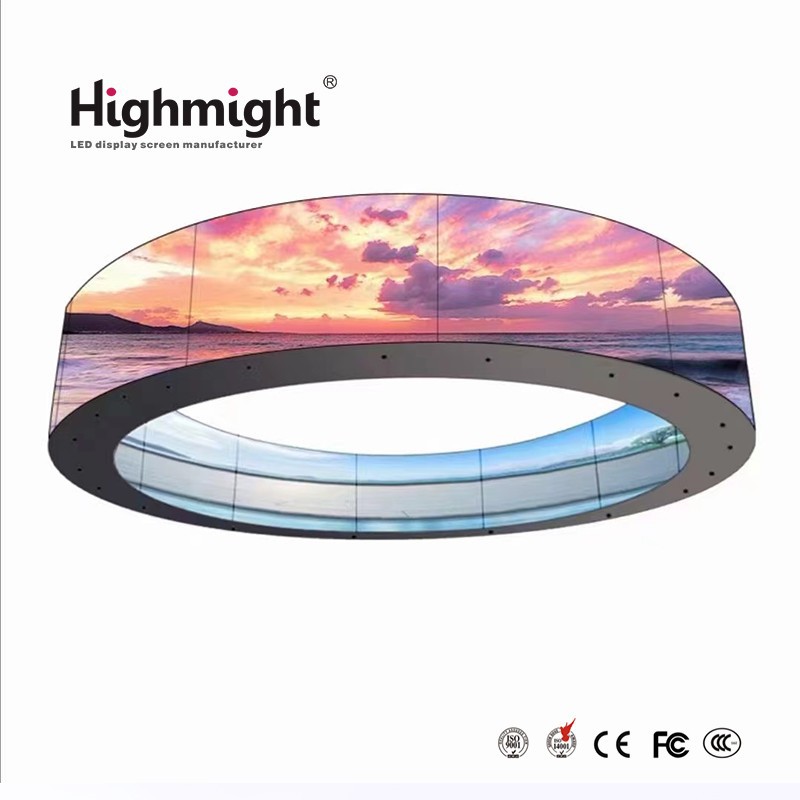
Before delving into the selection process, it's essential to understand what shock - proof flexible LED displays are. These displays are designed to withstand physical impacts and vibrations, making them suitable for environments where traditional rigid displays might be easily damaged. The flexibility aspect allows them to be bent, curved, or wrapped around objects, offering unique installation possibilities.
Key Factors to Consider When Choosing a Shock - Proof Flexible LED Display
1. Shock Resistance Rating
The shock resistance rating is a crucial factor. It indicates the amount of force or impact the display can endure without malfunctioning. Look for displays with a high shock resistance rating, which is usually measured in terms of G - forces. For example, a display with a rating of 50G can withstand an impact equivalent to 50 times the force of gravity. This is especially important if the display will be installed in high - traffic areas or places where accidental collisions are likely.
2. Flexibility and Bend Radius
The degree of flexibility and the minimum bend radius are vital considerations. A smaller bend radius means the display can be bent more tightly. Depending on your installation requirements, you may need a display that can be curved around columns or shaped into irregular forms. Some high - quality shock - proof flexible LED displays can achieve a bend radius as small as a few centimeters, offering greater design flexibility.
3. Pixel Pitch
Pixel pitch refers to the distance between the centers of two adjacent pixels. A smaller pixel pitch results in a higher pixel density and better image resolution. If you need a display for close - up viewing, such as in an indoor exhibition or a retail store, a smaller pixel pitch is recommended. On the other hand, for large - scale outdoor applications where the viewing distance is greater, a larger pixel pitch may be sufficient.
4. Brightness and Contrast
Brightness is measured in nits. For outdoor applications, a high - brightness display is necessary to ensure visibility even in direct sunlight. Indoor applications may require less brightness. Contrast ratio is also important as it determines the difference between the darkest and lightest parts of an image. A higher contrast ratio results in more vivid and detailed images. You can explore our High Brightness Indoor Flexible Module for excellent brightness and contrast performance.
5. Color Accuracy
Accurate color reproduction is essential, especially for applications such as advertising and digital art. Look for displays that support a wide color gamut and have a high color accuracy rating. This ensures that the colors on the display closely match the original content, making your visual messages more impactful.
6. Durability and Environmental Resistance
In addition to shock resistance, consider the display's durability in different environmental conditions. This includes factors such as water resistance, dust resistance, and temperature tolerance. For outdoor installations, a display with an IP (Ingress Protection) rating of at least IP65 is recommended, which means it is dust - tight and protected against low - pressure water jets from any direction.
7. Power Consumption
Power consumption is an important consideration, especially for large - scale installations or applications where energy efficiency is a priority. Look for displays that use energy - efficient LED technology and have power - saving features. This not only reduces your operating costs but also contributes to environmental sustainability.
8. Installation and Maintenance
Ease of installation and maintenance can significantly impact the overall cost and convenience of using a shock - proof flexible LED display. Some displays come with pre - installed mounting brackets and easy - to - follow installation instructions. Additionally, consider the availability of spare parts and the ease of accessing and replacing components in case of repairs.
Application - Specific Considerations
Indoor Applications
For indoor applications such as retail stores, museums, and corporate offices, aesthetics and image quality are often the top priorities. Our Indoor LED Flexible Advertising Screen is designed to meet these requirements. It offers high - resolution images, excellent color accuracy, and a sleek design that can enhance the visual appeal of any indoor space.

Outdoor Applications
Outdoor applications, such as billboards, sports stadiums, and outdoor events, require displays that can withstand harsh weather conditions and high levels of sunlight. In addition to high brightness and shock resistance, outdoor displays should also have good water and dust resistance. Make sure the display is designed to operate reliably in a wide range of temperatures.
Specialized Applications
There are also specialized applications, such as transportation (e.g., on buses or trains) and marine environments. For these applications, the display needs to be shock - proof, vibration - resistant, and able to function in unique environmental conditions. Consider the specific requirements of your specialized application and choose a display that can meet those needs.
Quality Assurance and Warranty
When choosing a shock - proof flexible LED display, it's important to buy from a reputable supplier. Look for suppliers who offer quality assurance and a comprehensive warranty. A good warranty can give you peace of mind knowing that you are protected against any manufacturing defects or premature failures.
Cost - Benefit Analysis
Finally, conduct a cost - benefit analysis. While it's important to stay within your budget, don't compromise on quality. Consider the long - term costs, including energy consumption, maintenance, and potential replacement costs. A higher - quality display may have a higher upfront cost but can save you money in the long run.
Conclusion
Choosing the right shock - proof flexible LED display requires careful consideration of multiple factors, including shock resistance, flexibility, pixel pitch, brightness, and more. By understanding your specific requirements and evaluating the available options based on these factors, you can make an informed decision. As a flexible LED display supplier, we are committed to providing high - quality products that meet the diverse needs of our customers. If you are interested in learning more about our shock - proof flexible LED displays or have any questions about the selection process, we invite you to contact us for a detailed discussion and potential procurement.
References
- LED Display Technology Handbook
- Industry Reports on Flexible LED Displays
- Technical Specifications from Reputable LED Display Manufacturers