
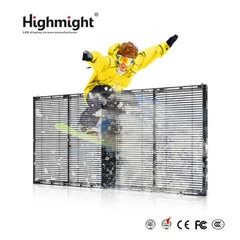


In the dynamic landscape of modern advertising and visual communication, transparent LED displays have emerged as a revolutionary technology, offering a captivating way to showcase content while maintaining transparency. As a leading transparent LED display supplier, we understand the importance of effectively managing the content shown on these innovative displays to maximize their impact and engagement. In this blog post, we will explore some key strategies and best practices for managing content on transparent LED displays.
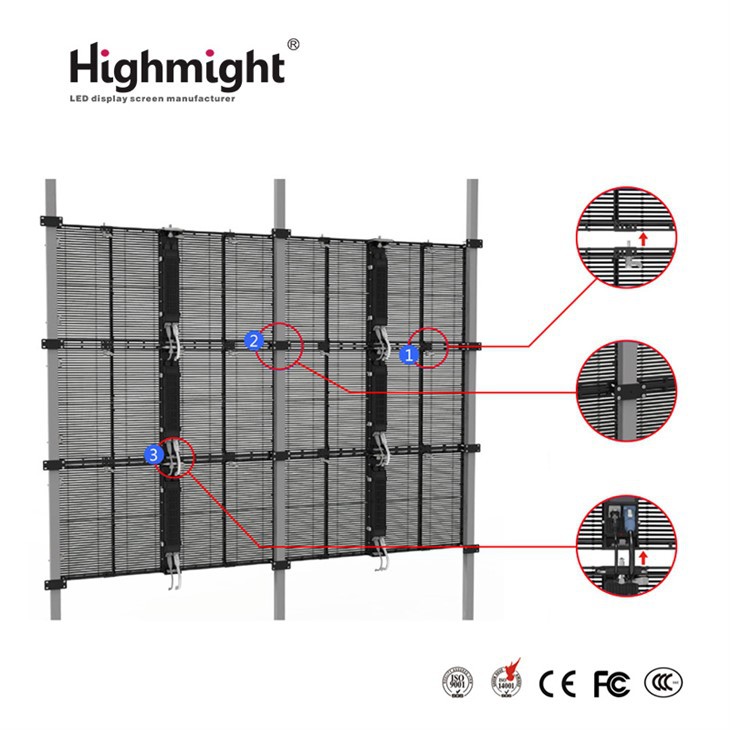

Understanding the Unique Characteristics of Transparent LED Displays
Before delving into content management strategies, it is essential to understand the unique characteristics of transparent LED displays. Unlike traditional LED displays, transparent LED displays allow light to pass through, creating a see - through effect. This transparency gives them a distinctive visual appeal and makes them suitable for a variety of applications, both indoors and outdoors.
The transparency of these displays also means that the content needs to be carefully designed to balance visibility and transparency. Overly dense or opaque content can reduce the transparency and defeat the purpose of using a transparent LED display. On the other hand, content that is too faint or low - contrast may not be visible enough to attract attention.
Content Design for Transparent LED Displays
Simplicity is Key
When designing content for transparent LED displays, simplicity is crucial. Avoid cluttering the screen with too much information or complex graphics. A clean and uncluttered design will not only enhance the transparency of the display but also make the content more easily readable and engaging. Use large, bold fonts and high - contrast colors to ensure that the text stands out against the background.
Utilize Transparency Effectively
One of the main advantages of transparent LED displays is their transparency. Incorporate this feature into your content design by using semi - transparent elements, such as gradients or overlays. This can create a sense of depth and dimension, making the content more visually appealing. For example, you can use a semi - transparent logo or graphic that appears to float on top of the background, adding an extra layer of interest.
Consider the Viewing Angle
Transparent LED displays are often viewed from multiple angles, especially in public spaces. When designing content, take into account the different viewing angles and ensure that the content is visible and legible from all directions. Avoid using elements that may be distorted or difficult to see from certain angles, such as long, thin lines or small text.
Content Scheduling and Rotation
Analyze the Audience and Location
To effectively manage content on transparent LED displays, it is important to understand your target audience and the location of the display. Different locations and audiences may have different preferences and viewing habits. For example, a transparent LED display in a shopping mall may attract a diverse range of shoppers, while a display in a corporate lobby may target a more professional audience. Analyze the demographics and behavior of your audience to determine the most appropriate content to display.
Create a Content Calendar
A content calendar is a valuable tool for managing the scheduling and rotation of content on transparent LED displays. Plan out your content in advance and schedule it to be displayed at specific times and dates. This can help ensure that your content remains fresh and relevant, and that you are not displaying the same content for too long. You can also use the content calendar to plan for special events or promotions, such as holidays or product launches.
Implement Content Rotation
To keep the content engaging and prevent viewer fatigue, implement a regular content rotation schedule. This can involve rotating between different types of content, such as videos, images, and text - based messages. You can also rotate content based on the time of day or day of the week. For example, you may display more upbeat and energetic content during peak shopping hours, and more relaxing and informative content during off - peak hours.
Compatibility and Technical Considerations
File Formats and Resolution
When preparing content for transparent LED displays, it is important to use the correct file formats and resolution. Most transparent LED displays support common file formats such as JPEG, PNG, and MP4. Make sure that your content is saved in the appropriate format and that the resolution matches the specifications of the display. Using the wrong file format or resolution can result in poor image quality or compatibility issues.
Software and Control Systems
Invest in a reliable software and control system for managing the content on your transparent LED displays. A good control system will allow you to easily upload, schedule, and manage your content from a central location. It should also provide features such as remote monitoring and troubleshooting, so that you can quickly address any issues that may arise. Some control systems also offer advanced features, such as real - time data integration and interactive content management.
Indoor and Outdoor Applications
Indoor Transparent LED Display
Indoor transparent LED displays are commonly used in retail stores, corporate offices, museums, and other indoor spaces. For indoor applications, the content can be more focused on brand promotion, product information, and customer engagement. You can use high - quality images and videos to showcase your products or services, and interactive content to encourage customer participation.
Outdoor Transparent LED Display
Outdoor transparent LED displays are exposed to different environmental conditions, such as sunlight, rain, and dust. When using outdoor transparent LED displays, it is important to ensure that the content is visible and legible in all weather conditions. Use high - brightness displays and anti - glare coatings to improve visibility in bright sunlight. The content for outdoor displays can be more focused on advertising and public announcements.
Advertising Screen Applications
Transparent LED Advertising Screen
Transparent LED advertising screens are a popular choice for businesses looking to promote their products or services. When using transparent LED advertising screens, the content should be eye - catching and persuasive. Use bold colors, large images, and compelling messages to attract the attention of passers - by. You can also use dynamic content, such as animations and videos, to make your advertising more engaging.
Conclusion
Managing the content shown on transparent LED displays requires a combination of creativity, technical expertise, and strategic planning. By understanding the unique characteristics of transparent LED displays, designing effective content, scheduling and rotating content, and considering compatibility and technical requirements, you can maximize the impact and engagement of your displays. Whether you are using transparent LED displays for indoor or outdoor applications, or for advertising purposes, these strategies will help you create a compelling visual experience for your audience.
If you are interested in learning more about our transparent LED displays or would like to discuss your content management needs, please feel free to contact us. Our team of experts is ready to assist you in finding the best solutions for your specific requirements.
References
- "LED Display Technology: Principles and Applications" by John Doe
- "Best Practices for Digital Signage Content Management" by Jane Smith
- Industry reports from leading market research firms on transparent LED display trends and usage.