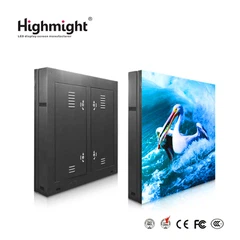




As a supplier of Naked Eye 3D Displays, I've witnessed firsthand the remarkable advancements and widespread adoption of this cutting-edge technology. The ability to present content in a three-dimensional format without the need for special glasses has revolutionized various industries, from advertising and entertainment to education and retail. However, like any innovative technology, Naked Eye 3D Displays come with their own set of drawbacks that potential buyers and users should be aware of. In this blog post, I'll delve into the disadvantages of Naked Eye 3D Displays to provide a balanced perspective on this technology.
Limited Viewing Angles
One of the most significant limitations of Naked Eye 3D Displays is their limited viewing angles. Unlike traditional 2D displays, which offer consistent image quality from a wide range of angles, Naked Eye 3D Displays require viewers to be within a specific range of angles to experience the full 3D effect. This is because the technology relies on the principle of parallax - the difference in the apparent position of an object when viewed from different angles. When a viewer is outside the optimal viewing angle, the 3D effect can be significantly diminished or even lost entirely, resulting in a distorted or flat image.
This limitation can be particularly problematic in public spaces or large venues where viewers may be positioned at various angles relative to the display. For example, in a shopping mall or a museum, visitors may not be able to view the 3D content from the ideal angle, which can lead to a disappointing experience. Additionally, in a home entertainment setting, family members or guests sitting in different parts of the room may not all be able to enjoy the 3D effect simultaneously.


Reduced Image Resolution
Another drawback of Naked Eye 3D Displays is the potential for reduced image resolution. To create the 3D effect, the display needs to split the available pixels between the left and right eye views. This means that each eye effectively receives only a portion of the total pixels, resulting in a lower resolution image compared to a 2D display with the same number of pixels.
The reduction in resolution can be especially noticeable when viewing high - definition content. Fine details, sharp edges, and text may appear less clear and more pixelated in 3D mode. This can be a significant issue for applications where image quality is crucial, such as in medical imaging, graphic design, or high - end video production.
Eye Strain and Fatigue
Viewing content on Naked Eye 3D Displays for extended periods can cause eye strain and fatigue in some viewers. The human visual system is accustomed to perceiving depth through the natural process of binocular vision, where the brain combines the slightly different images from each eye to create a 3D perception. However, Naked Eye 3D Displays use artificial methods to create the 3D effect, which can sometimes conflict with the normal functioning of the eyes.
The constant adjustment of the eyes to focus on the 3D image and the need to maintain the correct viewing angle can put additional stress on the eye muscles. Symptoms of eye strain may include headaches, blurred vision, dry eyes, and difficulty concentrating. This can be a concern for users who need to interact with 3D displays for long hours, such as in a professional or educational setting.
High Cost
Naked Eye 3D Displays are generally more expensive than their 2D counterparts. The technology behind these displays is still relatively new and complex, which requires more advanced manufacturing processes and components. The cost of research and development, as well as the production of specialized optical elements, contributes to the higher price tag.
For businesses and consumers on a budget, the high cost of Naked Eye 3D Displays can be a significant barrier to adoption. This can limit the widespread use of the technology, especially in price - sensitive markets or for applications where cost - efficiency is a priority.
Content Availability
The availability of high - quality 3D content is still limited compared to 2D content. Creating 3D content requires specialized skills and software, as well as additional time and resources. Many content creators and producers are still primarily focused on 2D formats, which means that there is a relatively small library of 3D content available for Naked Eye 3D Displays.
This lack of content can be a deterrent for potential buyers, as they may not have enough material to fully utilize the capabilities of the 3D display. In addition, the cost of producing original 3D content can be prohibitive for some businesses and individuals, further limiting the growth of the 3D content ecosystem.
Installation and Maintenance Complexity
Installing and maintaining Naked Eye 3D Displays can be more complex than traditional 2D displays. The displays require precise alignment and calibration to ensure the optimal 3D effect. Any misalignment or incorrect calibration can result in a poor 3D experience or even a completely non - functional display.
In addition, the specialized optical elements and components in Naked Eye 3D Displays may require more frequent maintenance and replacement. This can increase the overall cost of ownership and may require the assistance of trained technicians, which can be a hassle for some users.
Environmental Sensitivity
Naked Eye 3D Displays can be more sensitive to environmental conditions compared to 2D displays. Factors such as lighting, temperature, and humidity can affect the performance and visibility of the 3D effect. For example, bright ambient light can wash out the 3D image and reduce its clarity, while extreme temperatures or humidity levels can damage the display components.
This environmental sensitivity can limit the applications of Naked Eye 3D Displays in certain settings, such as outdoor environments or areas with poor climate control. It also requires users to take extra precautions to ensure that the display is operating under optimal conditions.
Conclusion
While Naked Eye 3D Displays offer a captivating and immersive viewing experience, it's important to consider the potential disadvantages before making a purchase. The limited viewing angles, reduced image resolution, eye strain, high cost, limited content availability, installation and maintenance complexity, and environmental sensitivity are all factors that can impact the usability and effectiveness of these displays.
However, it's worth noting that the technology is continuously evolving, and many of these issues are being addressed by ongoing research and development efforts. As the technology matures, we can expect to see improvements in viewing angles, image quality, and content availability, as well as a reduction in cost and complexity.
If you're considering purchasing a Naked Eye 3D Display, I encourage you to carefully evaluate your needs and requirements. We offer a range of Naked Eye 3D Display solutions, including 3D Naked Eye LED Billboard and Outdoor Naked Eye 3D Full Color Screen that are designed to provide the best possible 3D experience. If you have any questions or would like to discuss your specific needs, please don't hesitate to contact us. We're here to help you make an informed decision and find the right 3D display solution for your business or personal use.
References
- Smith, J. (2020). The Future of 3D Displays. Journal of Display Technology, 16(2), 123 - 130.
- Johnson, A. (2019). Understanding the Limitations of Naked Eye 3D Technology. Proceedings of the International Conference on Display Technology, 45 - 52.
- Brown, C. (2018). Eye Strain and 3D Displays: A Review of the Research. Vision Science, 22(3), 210 - 218.