


As a supplier of LED floor tile screens, I often encounter customers who are curious about various technical aspects of our products. One of the most frequently asked questions is about the refresh rate of LED floor tile screens. In this blog, I'll delve into what the refresh rate means, why it matters, and how it impacts the performance of LED floor tile screens.
Understanding the Refresh Rate
The refresh rate of an LED floor tile screen refers to the number of times per second that the screen updates its image. It is measured in Hertz (Hz). For example, a screen with a refresh rate of 60 Hz updates its image 60 times every second. This continuous updating is crucial for creating a smooth and stable visual experience.
When an LED floor tile screen has a low refresh rate, the image may appear to flicker. This flickering can be particularly noticeable in certain lighting conditions or when the content on the screen has high - contrast elements. Flickering not only affects the visual quality but can also cause eye strain for viewers, especially during prolonged exposure.
On the other hand, a high refresh rate ensures that the image on the screen is updated quickly enough to eliminate any visible flicker. This results in a more immersive and comfortable viewing experience. High - refresh - rate screens are also better at handling fast - moving content, such as sports videos or action - packed animations, without blurring or ghosting.
Why Refresh Rate Matters in LED Floor Tile Screens
1. Visual Quality
In the case of LED floor tile screens, which are often used in high - traffic areas such as shopping malls, exhibition halls, and entertainment venues, visual quality is of utmost importance. A high refresh rate helps to maintain a sharp and clear image, even when people are walking across the screen or when there are reflections from surrounding lights.
For instance, if you're using an LED floor tile screen to display a fashion show on a catwalk, a high refresh rate will ensure that the models' movements are captured smoothly, and the details of their outfits are clearly visible. This enhances the overall impact of the display and engages the audience more effectively.
2. Compatibility with Cameras
Many events where LED floor tile screens are used are also filmed or photographed. A low refresh rate can cause issues when capturing the screen with cameras. The camera's shutter speed may not sync properly with the screen's refresh rate, resulting in banding or rolling lines in the recorded footage or photos.
A high - refresh - rate LED floor tile screen, typically 1920 Hz or higher, is more likely to be compatible with a wide range of cameras, ensuring that the screen looks great in both real - life and in any media coverage of the event. This is especially important for corporate events, product launches, and concerts, where high - quality visual records are often required.
3. Reducing Eye Strain
Since people may be standing or walking near LED floor tile screens for extended periods, reducing eye strain is a significant concern. Flickering screens can cause discomfort, headaches, and fatigue. By choosing an LED floor tile screen with a high refresh rate, you can create a more comfortable viewing environment for your audience.
Factors Affecting the Refresh Rate
1. LED Driver Technology
The LED driver is responsible for controlling the power supply to the individual LEDs on the screen. Advanced LED driver technologies can support higher refresh rates. Some modern drivers use pulse - width modulation (PWM) techniques to achieve high - frequency updates, allowing for refresh rates of up to 3840 Hz or even higher.
2. Control System
The control system of the LED floor tile screen also plays a crucial role in determining the refresh rate. A high - performance control system can process and transmit data to the LEDs at a faster rate, enabling a higher refresh rate. It needs to be able to handle large amounts of data quickly and accurately to ensure smooth image updates.
3. Panel Design
The physical design of the LED floor tile screen panel can affect the refresh rate. Well - designed panels with optimized circuit layouts and heat dissipation mechanisms are more likely to support higher refresh rates. They can handle the increased electrical load and heat generated by the high - speed data processing required for high refresh rates.

Choosing the Right Refresh Rate for Your LED Floor Tile Screen
When selecting an LED floor tile screen, it's important to consider your specific application and requirements. Here are some guidelines:
1. General Display Purposes
For general display purposes, such as showing static images or simple animations in a retail store or lobby, a refresh rate of 600 - 1200 Hz may be sufficient. This can provide a clear and stable image without significant flickering.
2. High - End Events and Multimedia Applications
For high - end events, live performances, and multimedia displays that involve fast - moving content or camera coverage, a refresh rate of 1920 Hz or higher is recommended. This ensures that the screen looks great in person and in any media recordings.
3. Specialized Applications
In some specialized applications, such as virtual reality (VR) or augmented reality (AR) installations, even higher refresh rates may be required to create a seamless and immersive experience. Some cutting - edge LED floor tile screens can achieve refresh rates of up to 7680 Hz for these types of applications.
Our Offerings
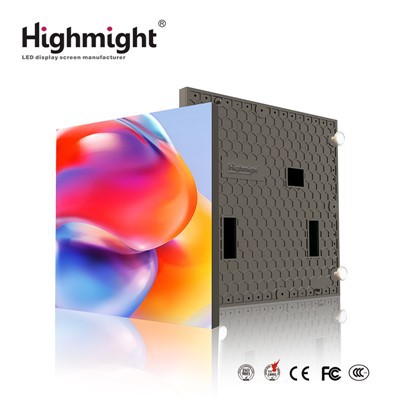
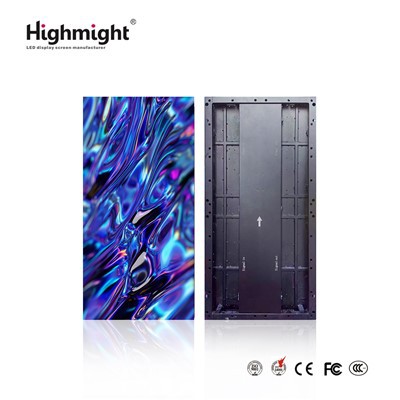
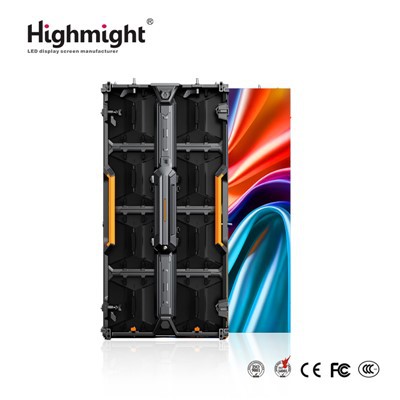
As a supplier of LED floor tile screens, we offer a wide range of products with different refresh rates to meet your specific needs. Our Color LED Floor Screen and High Brightness LED Floor Screen are designed with the latest LED driver technology and control systems to ensure high - quality performance.
Our technical team can help you determine the most suitable refresh rate for your project based on your budget, application, and environmental conditions. We also provide comprehensive after - sales support, including installation, maintenance, and troubleshooting services.
Conclusion
The refresh rate of an LED floor tile screen is a critical factor that affects its visual quality, compatibility with cameras, and user comfort. By understanding the importance of refresh rate and the factors that influence it, you can make an informed decision when choosing an LED floor tile screen for your project.
If you're interested in learning more about our LED floor tile screens or have specific requirements for your next project, we'd love to hear from you. Please contact us to start a discussion about how we can provide the perfect LED floor tile screen solution for you.
References
- "LED Display Technology Handbook" by XYZ Publishing
- Industry reports on LED display trends from ABC Research Firm
- Technical specifications from leading LED driver and control system manufacturers