


1. Preparation before installing the LED crystal film screen
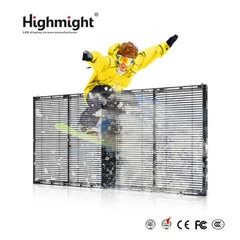
As a new type of display technology, the LED crystal film screen is widely used in commercial display, stage background, architectural decoration and other fields because of its thin, flexible and high brightness. Before starting the installation, adequate preparation is the key to ensure a smooth installation.
Site assessment and measurement are the first steps. The installation team needs to inspect the installation location on site and accurately measure the dimensions of the installation area, including length, width, height and any possible obstacles. At the same time, the flatness and load-bearing capacity of the installation surface should be evaluated. Although the LED crystal film screen is thin, it is still necessary to ensure that the installation surface can be stably supported for a long time. Environmental factors should not be ignored. The temperature, humidity, ventilation conditions and possible direct sunlight at the installation location should be considered, which will affect the service life and display effect of the display.
Power and signal planning are equally important. According to the size and specifications of the LED crystal film screen, calculate the total power demand to ensure that the power supply system can meet the requirements. Plan the routing path of the power line, both to ensure safety and to consider aesthetics. In terms of signal transmission, it is necessary to determine the installation location of the controller, plan the direction of the signal line, and reserve the position of the signal amplifier if necessary. For large installation projects, network cabling should also be considered to facilitate remote control and content updates.
Tool and material preparation is the material basis for installation. Basic tools include level, laser rangefinder, screwdriver set, wire stripper, wire crimper, etc. Installation materials may include mounting frame (if necessary), special glue or magnetic device (depending on the installation method), cable duct, etc. Safety equipment such as insulating gloves, hard hats, safety belts, etc. are also indispensable, especially when working at height. In
addition, cleaning supplies should be prepared to ensure that the installation surface is clean and dust-free.
2. Detailed installation steps of LED crystal film screen
The installation process of LED crystal film screen needs to be strictly followed to ensure the installation quality and display effect.
Installation surface treatment is the first step. According to the selected installation method (paste, magnetic suction or frame fixation), the installation surface is treated accordingly. If it is a paste installation, the surface needs to be thoroughly cleaned to remove oil, dust and loose particles, and a special cleaner is used if necessary. For magnetic suction installation, ensure that the mounting surface can firmly absorb the magnet and the metal surface should be free of rust. For frame installation, you need to assemble or fix the support frame first, and use a level to ensure that the frame is completely flat. Any minor unevenness will be magnified when displayed.
Extra care is required when unfolding and positioning the screen. When removing the LED crystal film screen from the packaging box, it is recommended that multiple people work together to avoid excessive folding or bending. Follow the unfolding method provided by the manufacturer and gradually lay the screen flat on the installation surface or workbench. Use non-sharp tools to assist in positioning to avoid scratching the surface of the screen. According to the pre-measured marking points, accurately align the LED crystal film screen with the installation position. At this time, you can temporarily fix it with a small number of removable fixing points to facilitate fine-tuning the position.
Fixing and connection are the core links of installation. Fix the screen according to the selected installation method. When pasting and installing, gradually remove the adhesive and compact it according to the method and sequence recommended by the manufacturer, paying special attention to the bonding of the edge part. For magnetic installation, ensure that each magnetic point is firmly in place. During the fixing process, check the flatness and position accuracy of the screen regularly. For electrical connection, first connect the power cord, pay attention to the correct polarity, and the connector is firm but not excessively forceful. The signal line connection should also pay attention to the directionality, ensuring that the plug is fully inserted and the locking mechanism is in place. All cables should be arranged neatly and fixed with cable troughs or cable ties to avoid clutter and stress concentration.
3. Key points for debugging and post-maintenance
After the installation is completed, the debugging and post-maintenance of the system are equally important, which is directly related to the use effect and life of the LED crystal film screen.
The system debugging process should start with basic function testing. Before the first power-on, check again whether all connections are correct and firm. After power-on, observe the status of the power indicator light, gradually increase the brightness, and check whether there is abnormal heating or abnormal display area. Use test patterns to check the display uniformity, paying special attention to the display consistency of the edge and seam areas. Color correction is also an important link. Adjust the RGB balance through professional software to ensure accurate color restoration. For large-area or multi-piece splicing installations, it is also necessary to adjust the splicing parameters to eliminate the visual differences caused by physical seams.
Troubleshooting common problems is a skill that every installer should master. When there is no display or part of it is not bright, first check the power connection, then the signal line connection, and finally consider the failure of the drive circuit or LED unit. Abnormal display color may be caused by poor signal line contact or incorrect color setting. Bright or dark spot problems may require professional equipment to detect and locate. When the temperature rises abnormally, the heat dissipation conditions and power supply voltage should be checked. Recording the manifestations and solutions of common problems and establishing a knowledge base can improve the efficiency of future troubleshooting.
Daily maintenance suggestions can extend the service life of LED crystal film screens. When cleaning, use a slightly damp soft cloth to wipe gently, and avoid using chemical cleaners or rough materials. Regularly check the firmness of the fixing points, especially the pasting installation method, and reinforce them in time if necessary. The electrical connection parts should be regularly checked for oxidation or looseness. In terms of the use environment, avoid long-term exposure to extreme temperatures or humidity, control continuous working time, and arrange cooling intervals reasonably. Content management is also important to avoid long-term display of static images causing screen burn-in, and regularly update the display content.
Through the above detailed installation guide, even installers who are new to LED crystal film screens can systematically complete the entire process from preparation to debugging. It is worth noting that LED crystal film screens of different brands and models may have their own special installation requirements. In actual operation, the technical documents provided by the manufacturer should prevail. Professional installation not only ensures the best performance of the display, but also maximizes its service life and creates greater value for customers.

Shenzhen Highmight Technology Co., Ltd.