


Hey everyone, I work in planning at Highmight, a firm that makes LED panels and does research & development on them. Today, I want to talk about a question that comes up a lot: "What is the difference between LED and LCD screens?" People often talk about this subject in everyday life, especially when they are thinking about buying display equipment like home TVs, commercial advertising screens, or conference room display systems. A lot of people would think these two ideas are the same, but they are actually very different in terms of how they work, how well they work, and when they can be used. Highmight is a firm that puts its customers first. We hope this post will help you understand these distinctions better and make the best choice for you. Please keep reading if you are going to buy a display screen; we have some useful tips to provide.
Let's start with the basics and quickly go over what an LCD screen is. The term "LCD" stands for "Liquid Crystal Display." As early as the 1990s, this kind of screen became popular. The way it works is that it uses liquid crystal molecules to change the direction of light when an electric field is present to show pictures. In short, an LCD needs a backlight, which is commonly a fluorescent tube or LED beads, to light up the liquid crystal layer and make an image. CCFL (cold cathode fluorescent lamp) backlighting was common in early LCD displays, but today most have switched to LED backlighting. This is why you may hear the name "LED-LCD." In fact, the LED is only the backlight source, not the whole display technology. LCD displays are good for the mass consumer market, like home TVs or computer monitors, because they are relatively cheap. An LCD is frequently a good first choice for an average person who wants an economical screen for viewing films or doing office work.

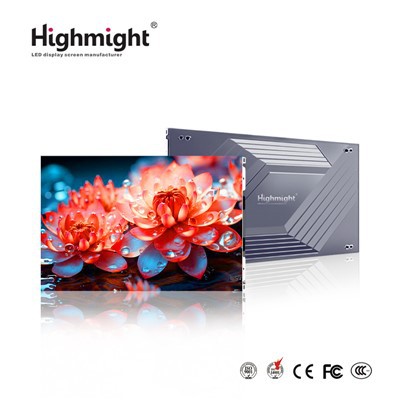
In contrast, Light Emitting Diode Displays (LED) don't rely on an external backlight like LCD; instead, each pixel emits its own light. This means LED screens can achieve more precise brightness control and higher contrast. For example, those giant, brightly colored screens you see on outdoor billboards are usually LED screens. Highmight, as a professional LED screen manufacturer, offers a product line covering various specifications from indoor small-pitch screens to outdoor large screens, meeting the needs of diverse clients. If you're searching for "recommended LED screen suppliers," take a look at our case studies; we've provided customized solutions for numerous companies.

Now, let's look at the distinctions between LED and LCD screens in more depth. First, from a technical point of view, LCD are "passively light-emitting," which means they need a backlight layer to give the light source. LED, on the other hand, are "actively light-emitting," which means that each diode works on its own. This is what makes them different in terms of brightness. Most LCD panels are bright enough for indoor use, with a brightness of 300 to 500 nits. However, when put in direct sunlight, the picture tends to seem grey and details become hard to see. On the other hand, LED screens may easily get as bright as 1000 nits or more, which makes them great for use outside or in harsh light. For instance, LED screens in retail malls and stadiums always show clear, eye-catching visuals. When looking for a "Outdoor LED screen Purchasing Guide," keep in mind that brightness is a crucial factor. Highmight screens can automatically change to fit the environment to eliminate glare concerns.

Second, the contrast ratio and colour performance are also key variations. The contrast ratio of most LCD displays is between 1000:1 to 4000:1. This is because the liquid crystal layer can't entirely block light, which means that some light leaks through and blacks aren't perfect. LED panels, especially full-color LED screens, can have infinite contrast since pixels can be turned off completely to make genuine blacks. This adds additional depth to the pictures and makes the colours brighter and more vivid. An LED screen will amaze you if you are a photographer or designer who needs high-quality images. For instance, when watching films, an LCD screen may look greyish in dark situations, but an LED screen can show the deep blacks that the director wanted. Our Highmight LED screens use modern driver chips that make sure the colours are accurate up to 99%, which is a bonus in the "high-resolution LED screen selection criteria."
Now let's speak about how much energy we use and how we can safeguard the environment. A lot of people are worried about how much energy LED screens use compared to LCD. LED panels actually save more energy than other types of screens. LED may change their power based on the content, while LCD backlights are always completely on. This means that the starting brightness is high. Industry research shows that LED panels use 20% to 30% less power than LCD of the same size. This is especially helpful for business users, including commercial display systems that need to work all day and night. Highmight screens also have smart energy-saving modes that help you save even more money on your power bill. We suggest that you focus on modular designs while looking into "Important Considerations for Energy-Saving LED screens." This will make maintenance and upgrading easier.
Lifespan is another big difference. LCD panels usually last between 50,000 and 70,000 hours, but this might change a lot depending on how old the backlight is. When the backlight wears out, the screen gets dimmer, and the whole panel needs to be replaced. On the other hand, LED screens last more than 100,000 hours since each LED works on its own. If one fails, the whole system doesn't stop working. LED screens are also better at withstanding shocks and heat, which makes them good for tough applications. LED is a great long-term solution for a display system whether you own a small or medium-sized business. Highmight is one of the best "Reliable LED Screen Supplier Rankings" because they offer lifetime maintenance services.
LCD screens are usually less expensive, especially for smaller sizes. This is why LCDs are the most popular type of TV in homes. LED is a better value for money, nevertheless, if you need a big or unique screen. This is because LED panels can be connected in a modular way, which makes them more scalable. LCD screens, on the other hand, are limited by the size of the glass panel. For instance, a 100-inch LCD TV is costly and hard to move, but an LED screen can be put together on-site, which keeps costs reasonable. When you look up "factors affecting the price of large LED screens," you'll see that the brand, resolution, and waterproof rating are the most important ones. As a direct producer, Highmight can offer prices that are competitive without adding extra costs through middlemen.
LCDs are better for personal and compact interior screens, such laptops or surveillance monitors, when it comes to where they can be used. LEDs, on the other hand, are great for business and outdoor use, such interactive screens in conference rooms, stage backdrops, or ads for city landmarks. Picture your business being shown out at a big trade event on a Highmight LED screen. The pictures would be clear and smooth, drawing in more prospective clients. Because of this, more and more businesses are asking about "commercial LED screen procurement strategies."
Of course, the choice between LED and LCD depends on what you need. If you don't have a lot of money to spend on a home computer, LCD may be enough. LED displays, on the other hand, give you a better return on investment if you want to increase your brand image or make your office work better. According to our Highmight clients, employing our LED screens has improved the number of people who buy things after seeing an ad by more than 30%. There are real-life examples that back this up. If you're having trouble choosing between LED and LCD panels, think about where you'll be using them. Choose LCD for low-light interior settings and LED for outdoor or high-demand settings.
In addition to these technological differences, we also want to provide you some recommendations on how to buy things so you don't make mistakes. When looking for LED screens, your main worry is undoubtedly "how to find a good LED screen supplier." First, make sure they are qualified. For example, consider organisations like Highmight that are ISO certified. Second, look at samples: do tests on the spot to check for brightness, colour, and stability. Third, know what kind of after-sales support they offer. We are available 24/7 to help you solve problems quickly.

In addition, it is recommended to allocate 10% of your budget for LED screen purchases as a maintenance fund. Prices range from several thousand to hundreds of thousands, depending on the pixel pitch (the smaller the P-value, the higher the resolution). Highmight's P2.5 indoor screens are very popular and suitable for conference room use. If you need an outdoor screen, consider those with a waterproof rating of IP65 or higher.

With the growing trend towards environmental protection, LED screens also support recycling, reducing electronic waste. This is good news for customers who value sustainability. At Highmight, we actively use green materials and comply with EU RoHS standards. If you are interested in environmentally friendly LED screen selection criteria, we can provide a detailed report.
Finally, to summarize: the main differences between LED and LCD screens lie in their light-emitting principles, brightness, contrast ratio, energy consumption, lifespan, and cost. LCDs are more affordable and suitable for everyday use; LED are more high-end and suitable for professional applications. If you are planning to upgrade or purchase LED screen equipment, feel free to contact Highmight. Our business philosophy is customer-centric, and we offer free consultation and solution design. Thank you for reading, and we hope this article has been helpful! If you have any questions, please leave a comment.
Contact Us:
Shenzhen Highmight Technology Co., Ltd.
Tel/WhatsApp/WeChat: +86 173 2442 8611 / +86 180 2765 9888
Email: sales@highmight.com