
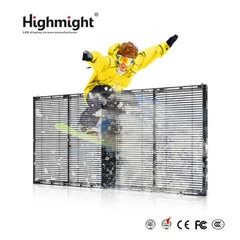


Can a flexible LED display display images?
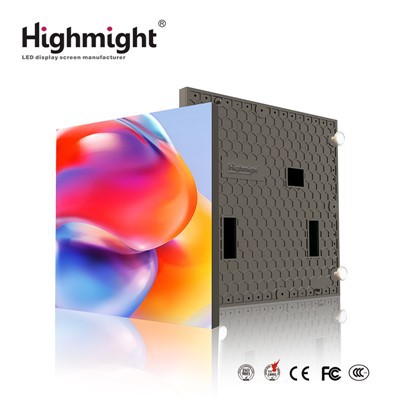
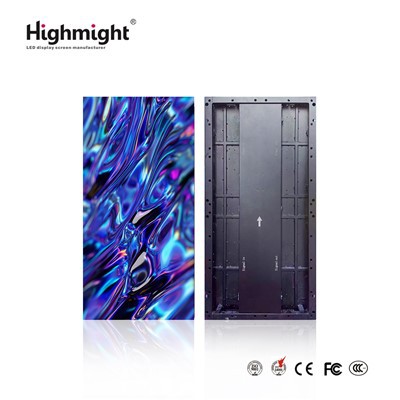
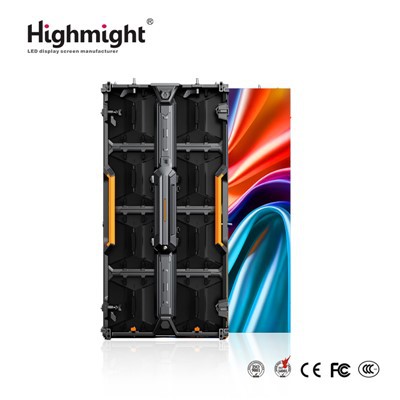
As a supplier of flexible LED displays, I often encounter this question from potential customers. The answer is a resounding yes. Flexible LED displays are not only capable of displaying images but also offer a wide range of advantages over traditional rigid LED displays, making them an ideal choice for various applications.
How Flexible LED Displays Work
Before delving into their image - displaying capabilities, it's important to understand how flexible LED displays function. These displays are composed of numerous light - emitting diodes (LEDs) arranged in a matrix. Each LED acts as a pixel, and by controlling the intensity of these individual LEDs, a full - color image can be created. The flexible substrate on which these LEDs are mounted allows the display to bend, curve, or even roll, enabling unique and creative installations that are not possible with rigid displays.
Image Display Quality
The image display quality of flexible LED displays is comparable to, if not better than, that of traditional rigid displays. Modern flexible LED displays can achieve high resolutions, with pixel pitches as small as a few millimeters. This means that they can display sharp, detailed images with vibrant colors and high contrast ratios. Whether it's a high - definition photo, a dynamic video, or a complex graphic design, flexible LED displays can reproduce it accurately and vividly.
One of the key factors contributing to the excellent image quality is the advanced LED technology used. High - brightness LEDs ensure that the images are visible even in well - lit environments, while the ability to control the color temperature allows for accurate color representation. Additionally, the use of PWM (Pulse Width Modulation) dimming technology enables smooth and flicker - free image display, which is crucial for applications such as digital signage and indoor advertising.
Advantages for Image Display
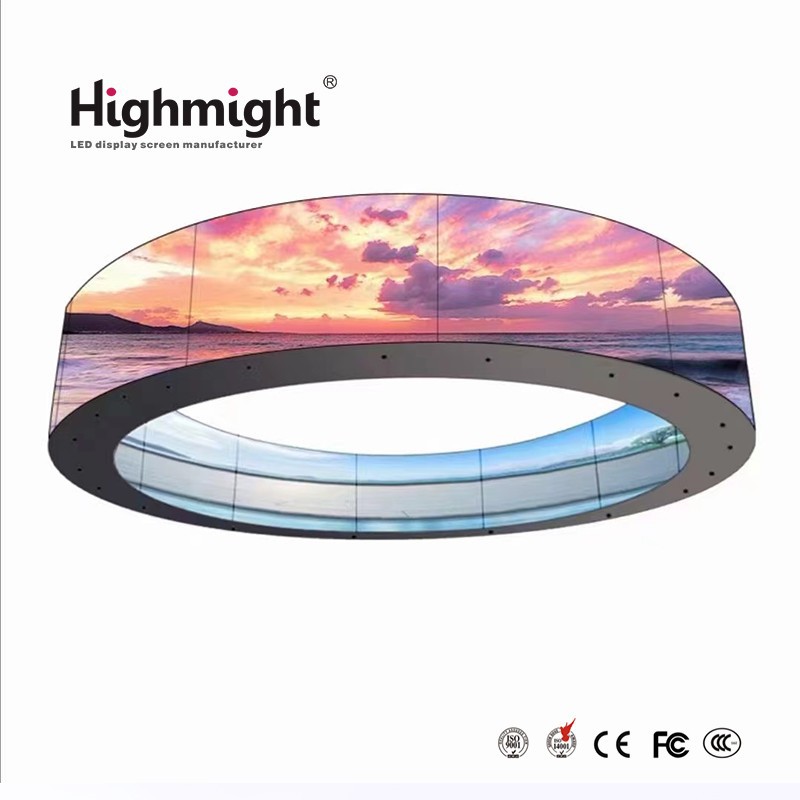
- Flexibility in Design: The most obvious advantage of flexible LED displays is their flexibility. This allows for unique and eye - catching installations. For example, they can be wrapped around columns, curved to fit the shape of a building facade, or used to create spherical or cylindrical displays. Such creative installations can draw more attention to the displayed images, making them ideal for advertising and branding purposes.
- Lightweight and Thin: Flexible LED displays are generally lighter and thinner than rigid displays. This makes them easier to install and transport, especially in situations where space is limited. For instance, in trade shows or pop - up events, the lightweight nature of flexible LED displays allows for quick and easy setup, enabling businesses to showcase their images and messages effectively.
- Energy - Efficient: LED technology is known for its energy efficiency, and flexible LED displays are no exception. They consume less power compared to traditional display technologies, which not only reduces operating costs but also has a positive impact on the environment. This is an important consideration for long - term installations where energy consumption can add up over time.
Applications for displaying images
- Indoor Advertising: In shopping malls, airports, and other public indoor spaces, flexible LED displays can be used to display eye - catching advertisements. Their ability to be bent and shaped allows for unique advertising structures that can stand out from the crowd. For example, a High transparency LED crystal film screen can be installed on glass partitions, creating a transparent and immersive advertising experience.
- Stage Performances: Flexible LED displays are widely used in stage design. They can be used to create dynamic backdrops that change with the performance, enhancing the visual impact of the show. The flexibility of these displays allows for the creation of complex and ever - changing stage sets, making them an essential tool for modern stage productions.
- Architectural Lighting: For building facades and interior design, flexible LED displays can be used to display images or patterns that enhance the aesthetic appeal of the architecture. They can be integrated seamlessly into the building structure, creating a unique and modern look.
Challenges and Solutions
While flexible LED displays offer many advantages for image display, there are also some challenges that need to be addressed. One of the main challenges is the durability of the flexible substrate. Over time, repeated bending and flexing can cause the substrate to degrade, which may affect the performance of the display. To overcome this, manufacturers use high - quality materials and advanced manufacturing processes to ensure the long - term durability of the displays.
Another challenge is the heat dissipation. Since LEDs generate heat during operation, proper heat dissipation is crucial to maintain the performance and lifespan of the display. Flexible LED displays are designed with efficient heat - dissipation mechanisms, such as heat sinks and ventilation channels, to ensure that the temperature remains within a safe range.
Comparison with Other Display Technologies
When compared to other display technologies such as LCD (Liquid Crystal Display) and OLED (Organic Light - Emitting Diode), flexible LED displays have their own unique advantages. LCD displays are generally rigid and have limited viewing angles, while OLED displays are more expensive and have a shorter lifespan. Flexible LED displays, on the other hand, offer a good balance between cost, performance, and flexibility. They can be used in a wider range of applications and are more durable in harsh environments.
Conclusion
In conclusion, flexible LED displays are highly capable of displaying images with excellent quality. Their unique features such as flexibility, lightweight, and energy efficiency make them a popular choice for a variety of applications. Whether you are looking to create a stunning advertising display, a dynamic stage backdrop, or an innovative architectural lighting design, a flexible LED display can meet your needs.
If you are interested in exploring the possibilities of using flexible LED displays for your image - display requirements, I encourage you to contact us for a detailed discussion. Our team of experts can provide you with customized solutions based on your specific needs and budget. We also offer a range of products, including the High Brightness Indoor Flexible Module, which is designed to deliver outstanding performance in indoor environments.

References
- LED Display Technology Handbook, 2nd Edition
- Journal of Display Technology, various issues on flexible display research
- Industry reports on LED display market trends