


Hey there! As a supplier of indoor LED modules, I often get asked whether these modules can be used in high - temperature environments. It's a valid question, and today, I'm gonna break it down for you.
First off, let's understand what high - temperature environments mean. Generally, we consider an environment with temperatures above 40°C (104°F) as high - temperature. These can be found in industrial kitchens, some manufacturing plants, or even in poorly ventilated rooms during hot summers.
Now, indoor LED modules are designed primarily for indoor use, which usually means a relatively stable and moderate temperature range. Most of these modules are tested and rated for normal indoor temperatures, typically between 20°C - 30°C (68°F - 86°F). But that doesn't mean they can't handle a bit of heat.
One of the main concerns when using LED modules in high - temperature environments is the impact on their lifespan. LEDs are semiconductor devices, and like all semiconductors, their performance degrades over time, and this degradation is accelerated by heat. High temperatures can cause the internal components of the LED module to expand and contract, which may lead to physical damage over time. For instance, the solder joints that hold the LED chips to the circuit board can become loose, resulting in poor electrical connections and potentially causing the LEDs to flicker or fail completely.
Another issue is the color shift. LEDs are known for their consistent color output, but high temperatures can cause the color of the light emitted by the LEDs to change. This is because the phosphors used in white LEDs are sensitive to temperature. As the temperature rises, the efficiency of the phosphors decreases, and the color of the light may shift towards the warmer end of the spectrum, making the light appear more yellow or orange than it should.
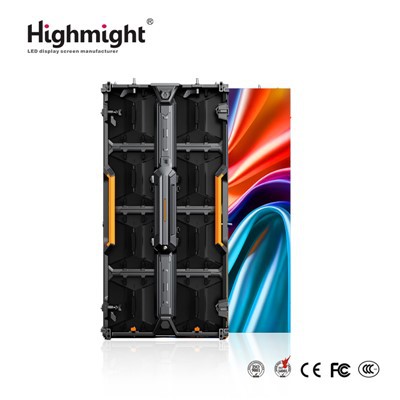
However, not all hope is lost. At our company, we've been working hard to develop indoor LED modules that can withstand higher temperatures. We've introduced Moisture - proof LED Module, which also has enhanced heat - dissipation capabilities. These modules are designed with special heat - sinks and thermal management systems that help to draw the heat away from the LED chips, keeping them at a more stable temperature.
Our Modular Led Light Panels are another great option for high - temperature environments. These panels are made up of multiple small LED modules, which allows for better heat distribution. Each module can dissipate heat more effectively, reducing the overall temperature of the panel and extending its lifespan.
If you're looking for an indoor display solution for a high - temperature area, our Indoor LED Display Module is worth considering. We've used high - quality materials and advanced manufacturing techniques to ensure that these modules can maintain their performance even in challenging conditions.
When it comes to using indoor LED modules in high - temperature environments, it's also important to consider the installation and maintenance. Proper ventilation is crucial. Make sure that there is enough space around the LED modules for air to circulate, which will help to keep the temperature down. Regular maintenance, such as cleaning the heat - sinks and checking for any signs of damage, can also help to prolong the life of the modules.
In addition to the technical aspects, cost is also a factor. High - temperature - resistant LED modules may be more expensive than standard ones. But when you consider the longer lifespan and better performance, it can be a worthwhile investment in the long run. You'll save money on replacement costs and reduce the downtime caused by LED failures.
So, can indoor LED modules be used in high - temperature environments? The answer is yes, but with some caveats. You need to choose the right type of module, ensure proper installation and maintenance, and be prepared for a potentially higher upfront cost.


If you're interested in learning more about our indoor LED modules and how they can work in high - temperature environments, don't hesitate to reach out. We're here to help you find the best solution for your specific needs. Whether you're a business owner looking to upgrade your lighting system or an installer working on a project, we can provide you with the information and support you need.
Let's have a chat about your requirements, and we can discuss how our products can fit into your plans. We're confident that we can offer you a high - quality, cost - effective solution that will meet your expectations.
References
- "LED Lighting Handbook" by Lighting Research Center
- "Semiconductor Lighting Technology" by various industry experts in semiconductor and lighting fields