


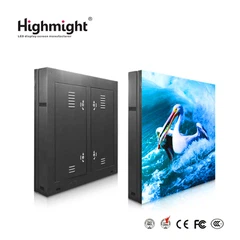




Can Small Pitch LED Displays Be Used in the Medical Field?
In recent years, small pitch LED displays have emerged as a revolutionary technology in the visual display industry. As a supplier of small pitch LED displays, I've witnessed firsthand the growing interest in their potential applications across various sectors, including the medical field. This blog post aims to explore the feasibility and benefits of using small pitch LED displays in medical settings.


The Characteristics of Small Pitch LED Displays
Small pitch LED displays are characterized by their high pixel density, which allows for extremely sharp and detailed images. The pitch refers to the distance between the centers of adjacent LEDs, and in small pitch displays, this distance is typically less than 2mm. This close proximity of LEDs results in a smoother and more uniform image, with less visible pixelation even when viewed up close.
Another significant advantage of small pitch LED displays is their high brightness and contrast ratio. They can produce vivid colors and deep blacks, making them ideal for displaying high - resolution medical images such as X - rays, MRIs, and CT scans. Additionally, these displays offer wide viewing angles, ensuring that medical professionals can view the images clearly from different positions within the examination or consultation room.
Potential Applications in the Medical Field
Diagnostic Imaging
One of the most promising applications of small pitch LED displays in the medical field is in diagnostic imaging. Radiologists rely on accurate and detailed images to detect and diagnose various medical conditions. Small pitch LED displays can provide the high - resolution and color accuracy required to visualize fine details in medical images, such as small tumors or subtle anatomical variations.
For example, in a radiology department, a Small Pitch Full Color LED Display can be used to display X - ray images with exceptional clarity. The high contrast ratio allows for better differentiation between different tissues, making it easier for radiologists to identify abnormalities. Similarly, when viewing MRI or CT scans, the high pixel density of small pitch displays enables the visualization of complex anatomical structures in great detail.
Surgical Planning
Small pitch LED displays can also play a crucial role in surgical planning. Surgeons can use these displays to review pre - operative images and create detailed surgical plans. The ability to view high - resolution 3D models of the patient's anatomy on a Led Display Screen helps surgeons better understand the patient's condition and plan the most appropriate surgical approach.
During the planning process, surgeons can zoom in on specific areas of the image, rotate 3D models, and compare different images side by side. The wide viewing angles of small pitch LED displays ensure that the entire surgical team can view the images simultaneously, facilitating better communication and collaboration.
Telemedicine
Telemedicine is another area where small pitch LED displays can have a significant impact. In remote consultations, high - quality visual communication is essential for accurate diagnosis and treatment. Small pitch LED displays can be used in both the patient's and the doctor's locations to transmit clear and detailed medical images and video.
For instance, a patient in a rural area can use a small pitch LED display to show their doctor high - resolution images of a wound or a rash. The doctor, located in a different city or even a different country, can view these images on a similar display and provide a more accurate diagnosis. The high brightness and color accuracy of small pitch displays ensure that the images are transmitted with minimal loss of quality, enabling effective telemedicine consultations.
Challenges and Considerations
While the potential benefits of using small pitch LED displays in the medical field are significant, there are also several challenges and considerations that need to be addressed.
Cost
One of the main challenges is the cost of small pitch LED displays. Compared to traditional medical monitors, small pitch displays can be more expensive. However, as the technology continues to evolve and production volumes increase, the cost is expected to decrease over time. Medical institutions need to weigh the benefits of using small pitch displays against the initial investment and long - term operating costs.
Regulatory Compliance
Medical devices are subject to strict regulatory requirements to ensure patient safety and the accuracy of medical information. Small pitch LED displays used in the medical field need to comply with relevant standards and regulations, such as the FDA's requirements in the United States. Manufacturers need to ensure that their displays meet these standards before they can be used in medical settings.
Image Accuracy and Calibration
Accurate image representation is crucial in the medical field. Small pitch LED displays need to be calibrated regularly to ensure that the colors, contrast, and brightness are consistent and accurate. Any deviation in image quality can lead to misdiagnosis or incorrect treatment decisions. Medical professionals need to be trained on how to use and maintain the displays properly to ensure optimal image accuracy.
Conclusion
In conclusion, small pitch LED displays have great potential for use in the medical field. Their high - resolution, high - brightness, and wide viewing angles make them suitable for a variety of medical applications, including diagnostic imaging, surgical planning, and telemedicine. While there are challenges such as cost, regulatory compliance, and image calibration, these can be overcome with proper planning and investment.
As a supplier of small pitch LED displays, we are committed to providing high - quality products that meet the specific needs of the medical industry. If you are interested in exploring the use of small pitch LED displays in your medical institution, we invite you to contact us for a consultation. We can help you evaluate the suitability of our products for your specific applications and provide you with detailed information on pricing, installation, and maintenance.
Let's work together to bring the latest display technology to the medical field and improve patient care.
References
- "High - Resolution Display Technologies for Medical Imaging" - Journal of Medical Imaging and Technology
- "The Role of Visual Displays in Surgical Planning" - Surgical Innovation Journal
- "Telemedicine and the Future of Healthcare: The Impact of Display Technology" - Telemedicine Research and Practice Review


