


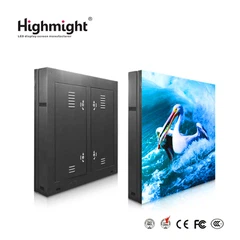

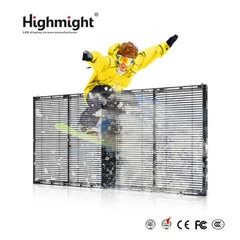


Hey there! As a supplier of Indoor LED Display Modules, I often get asked some interesting questions. One that's come up a lot lately is, "Can indoor LED display modules be used in a high - altitude area?" Let's dig into this topic and find out.
First off, what exactly are high - altitude areas? Generally, high - altitude areas are regions where the elevation is significantly above sea level, usually starting from around 2,500 meters or more. These areas have some unique environmental characteristics that can affect the performance of electronic devices, including indoor LED display modules.


One of the most prominent features of high - altitude areas is the lower air pressure. As we go higher, the air gets thinner, and the atmospheric pressure drops. This can have an impact on the heat dissipation of LED display modules. You see, most indoor LED display modules are designed to operate under normal atmospheric pressure at lower altitudes. The heat generated by the LEDs during operation needs to be dissipated effectively to maintain a stable temperature. At high altitudes, with the lower air pressure, the convective heat transfer efficiency decreases. This means that the heat might not be removed as quickly as it should be, which could lead to overheating of the modules.
Overheating is a big deal for LED display modules. When the temperature of the LEDs rises too high, it can cause a series of problems. For example, the brightness of the LEDs may decrease. LEDs are sensitive to temperature, and as the temperature goes up, the luminous efficacy drops. This means that your display might not be as bright as it's supposed to be, which is a major issue, especially if you're using the display for advertising or other high - visibility applications.
Another problem caused by overheating is the reduced lifespan of the LEDs. High temperatures can accelerate the aging process of the semiconductor materials in the LEDs, leading to a shorter operational life. You don't want to replace your expensive display modules too frequently, right?
But that's not all. High - altitude areas also often have lower humidity levels. While low humidity might seem like a good thing for electronic devices, it can actually cause problems for indoor LED display modules. Static electricity is more likely to build up in dry environments. When static electricity discharges, it can damage the sensitive electronic components in the LED modules. This could result in dead pixels, color distortion, or even complete failure of the module.
On the other hand, high - altitude areas can also experience large temperature variations between day and night. These rapid temperature changes can cause thermal stress on the LED modules. The different materials in the modules expand and contract at different rates, which can lead to mechanical damage over time. For example, the solder joints that connect the components might crack, or the housing of the module could warp.
However, don't lose hope just yet! As a supplier of Indoor LED Display Module, we've been working hard to develop solutions to these problems.
One of the ways we address the heat dissipation issue is by improving the design of the heat sinks. Our High - quality LED Module comes with advanced heat sink designs that are more efficient at transferring heat even under low - pressure conditions. We use materials with high thermal conductivity and optimize the shape and size of the heat sinks to maximize the surface area for heat transfer.
To deal with the static electricity problem, we've incorporated anti - static coatings on the surface of our modules. These coatings help to dissipate the static charge before it can cause any damage to the components.
For the thermal stress issue, we've carefully selected the materials used in the construction of our modules. We use materials with similar coefficients of thermal expansion to minimize the stress caused by temperature changes. Additionally, our modules are rigorously tested under simulated high - altitude conditions to ensure their reliability.
Our Modular Led Light Panels are also designed with high - altitude use in mind. They are modular in design, which makes them easier to install and maintain. If one module fails, you can simply replace it without having to replace the entire display.
So, can indoor LED display modules be used in a high - altitude area? The answer is yes, but with some considerations. If you choose the right modules that are specifically designed to withstand the challenges of high - altitude environments, you can have a reliable and long - lasting display.
If you're planning to use indoor LED display modules in a high - altitude area, I highly recommend getting in touch with us. We have a team of experts who can help you select the most suitable modules for your specific needs. Whether you're setting up a display in a mountain resort or a high - altitude city, we've got you covered. We can also provide you with detailed installation and maintenance guidelines to ensure that your display performs at its best.
Don't hesitate to reach out if you have any questions or if you're interested in purchasing our high - quality indoor LED display modules. We're here to make sure you get the most out of your investment.
References
- "Handbook of LED Lighting" by Yoshi Ohno. This book provides in - depth knowledge about the principles and applications of LED lighting, including the impact of environmental factors on LED performance.
- "Thermal Management of Electronic Systems" by Avram Bar - Cohen. It offers valuable insights into heat transfer and thermal management techniques for electronic devices, which is relevant to understanding the heat dissipation issues of LED display modules in high - altitude areas.


