


Yo, what's up everyone! I'm a supplier in the naked eye 3D game, and today I wanna chat about something super interesting – can naked eye 3D be used in environmental monitoring?
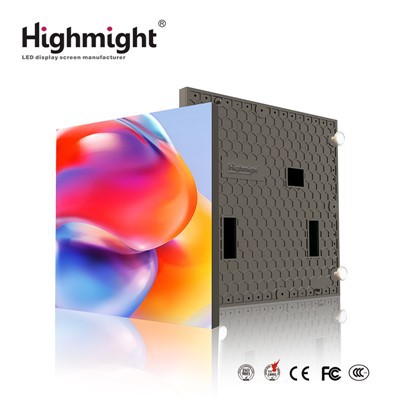
First off, let's quickly break down what naked eye 3D is. You know those cool billboards or screens that look like the stuff on 'em is popping right out at you without having to wear those dorky 3D glasses? That's naked eye 3D for ya. It uses some fancy tech to create an illusion of depth, making the images or videos seem more real and immersive. We've got some sweet products in this area, like the 3D Naked Eye LED Billboard, Naked Eye 3D LED Large Screen, and Naked Eye 3D Advertising Screen. These are mainly used for advertising and making a big visual impact in public spaces, but could they have a role in environmental monitoring too?
Now, let's dig into environmental monitoring. It's all about keeping tabs on the environment, like checking air quality, water pollution, and changes in ecosystems. Scientists and researchers use all sorts of tools and tech to gather data, from sensors to satellites. The goal is to understand how the environment is changing and figure out ways to protect it.
So, how could naked eye 3D fit into this picture? Well, one big advantage of naked eye 3D is its ability to present complex data in a more intuitive way. When you're looking at environmental data, it can be a real headache to make sense of all those numbers and graphs. But with naked eye 3D, you can turn that data into 3D models or visualizations that are much easier to understand.
For example, let's say you're monitoring air quality in a city. You could use naked eye 3D to create a virtual model of the city, with different colors and shapes representing different levels of pollution. You'd be able to see at a glance where the pollution hotspots are and how they're spreading. This kind of visualization can help policymakers and the public better understand the problem and make more informed decisions.
Another area where naked eye 3D could be useful is in monitoring changes in ecosystems. You could create 3D models of forests, coral reefs, or other natural habitats and use them to track changes over time. For instance, you could see how a forest is growing or how a coral reef is being affected by climate change. This can help conservationists identify areas that need attention and take action to protect these important ecosystems.
But it's not all sunshine and rainbows. There are some challenges to using naked eye 3D in environmental monitoring. One of the biggest is the cost. Developing and implementing naked eye 3D technology can be pretty expensive, especially when you're talking about large-scale environmental monitoring projects. You need to invest in high-quality hardware, software, and data collection systems.
Another challenge is the accuracy of the data. To create accurate 3D visualizations, you need to have reliable data. If the data is inaccurate or incomplete, the visualizations won't be very useful. So, you need to make sure that the sensors and other data collection tools you're using are up to the task.
There's also the issue of public acceptance. Some people might be skeptical about using new technology like naked eye 3D in environmental monitoring. They might be worried about the privacy implications or the potential for the technology to be misused. So, it's important to educate the public about the benefits of using naked eye 3D and address any concerns they might have.
Despite these challenges, I think there's a lot of potential for naked eye 3D in environmental monitoring. As the technology continues to improve and become more affordable, it could become a valuable tool for scientists, policymakers, and the public.
Let's take a look at some real-world examples. In some research projects, scientists have already started using 3D visualizations to study environmental problems. For instance, they've used 3D models to study the movement of pollutants in rivers and lakes. These models have helped them understand how the pollutants are spreading and how they can be controlled.
In the future, I can see naked eye 3D being used in all sorts of environmental monitoring applications. It could be used to monitor wildlife populations, track the spread of invasive species, or even predict natural disasters. The possibilities are endless.


So, if you're involved in environmental monitoring and you're looking for a new way to present and analyze data, I'd encourage you to consider naked eye 3D. As a supplier, we've got the expertise and the products to help you get started. Whether you're a small research team or a large government agency, we can work with you to develop customized solutions that meet your specific needs.
If you're interested in learning more about how naked eye 3D can be used in environmental monitoring or if you want to discuss potential projects, don't hesitate to reach out. We're always happy to have a chat and see how we can help.
In conclusion, while there are some challenges to using naked eye 3D in environmental monitoring, the potential benefits are huge. It's an exciting technology that could revolutionize the way we monitor and protect our environment. So, let's embrace it and see where it takes us!
References:
- General knowledge about environmental monitoring and naked eye 3D technology.
- Case studies on the use of 3D visualizations in environmental research.