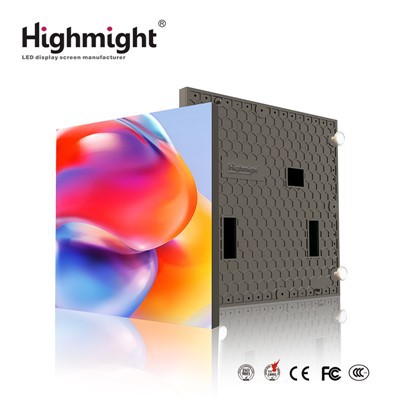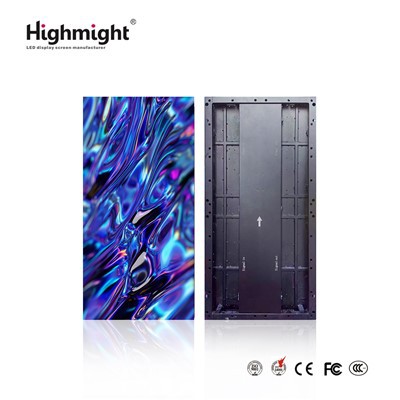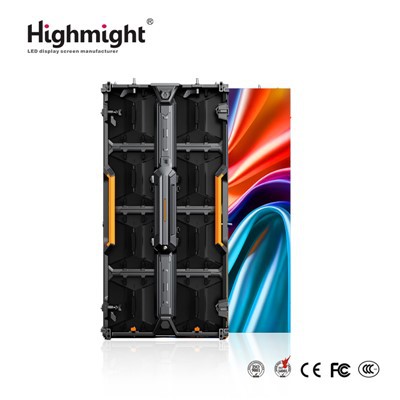

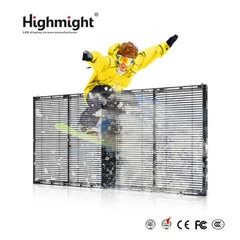


Hey there! As a supplier of transparent LED displays, I often get asked about how these cool, see-through screens actually achieve transparency. It's a pretty fascinating topic, so I'm gonna break it down for you in this blog.
First off, let's talk about what a transparent LED display is. It's a type of display that allows light to pass through it, which means you can see what's behind it while still viewing the content on the screen. This makes it perfect for a bunch of different applications, like Transparent LED Advertising Screen in retail stores, Indoor Transparent LED Display for museums or exhibitions, and Rental Transparent LED Large Screen for events.
The Basic Principle
The key to achieving transparency in an LED display lies in the design and construction of the display itself. Unlike traditional LED displays, which are made up of solid panels with densely packed LEDs, transparent LED displays are designed with a more open structure. This allows light to pass through the gaps between the LEDs, creating a see-through effect.
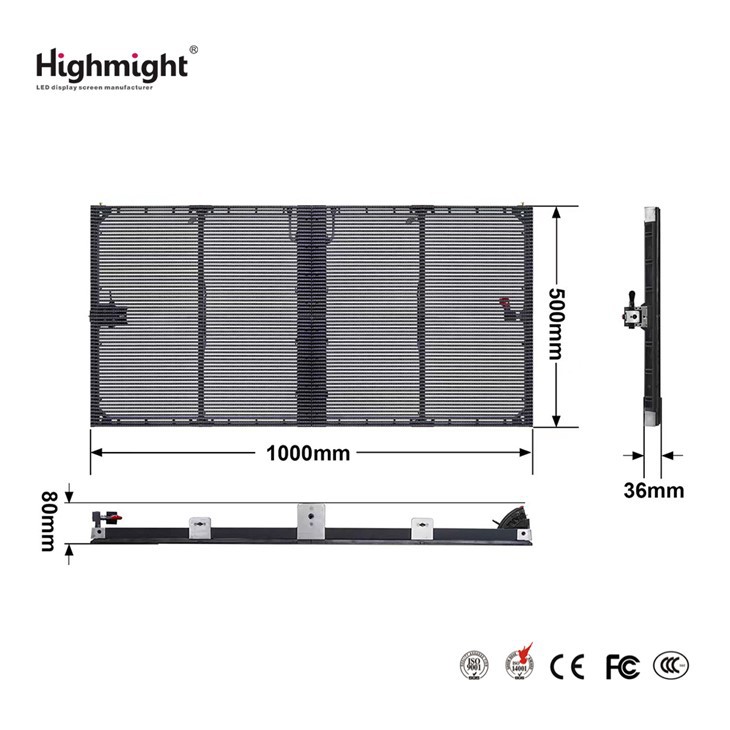
There are a few different ways to achieve this open structure. One common method is to use a mesh or grid-like design, where the LEDs are mounted on a thin, transparent substrate in a pattern that leaves large gaps between them. This allows light to pass through the gaps, making the display appear transparent.
Another method is to use a thin-film transistor (TFT) technology, which is similar to the technology used in LCD displays. In a TFT transparent LED display, the LEDs are integrated into a thin, transparent film that is mounted on a glass or plastic substrate. The TFT technology allows the LEDs to be controlled individually, which means that the display can show high-resolution images and videos while still maintaining transparency.
The Role of LED Technology
Of course, the type of LEDs used in a transparent LED display also plays a crucial role in achieving transparency. Not all LEDs are created equal, and some are better suited for transparent displays than others.
One of the most important factors to consider is the size and shape of the LEDs. Smaller LEDs are generally better for transparent displays because they take up less space and allow more light to pass through. In addition, LEDs with a narrow viewing angle are also preferred because they can direct more light towards the viewer, which improves the visibility of the display while still maintaining transparency.
Another important factor is the brightness and color accuracy of the LEDs. Transparent LED displays need to be bright enough to be visible in a variety of lighting conditions, but they also need to be able to reproduce accurate colors. This requires the use of high-quality LEDs that are specifically designed for use in transparent displays.
The Importance of Transparent Substrates
In addition to the LEDs themselves, the substrate on which the LEDs are mounted also plays a crucial role in achieving transparency. The substrate needs to be transparent, lightweight, and durable, and it needs to be able to support the LEDs without interfering with their performance.
One of the most commonly used substrates for transparent LED displays is glass. Glass is a popular choice because it is transparent, scratch-resistant, and has a high thermal conductivity, which helps to dissipate heat from the LEDs. However, glass can also be heavy and brittle, which can make it difficult to install and transport.

Another option is to use a plastic substrate, such as polycarbonate or acrylic. Plastic substrates are lightweight, flexible, and shatterproof, which makes them easier to install and transport. However, they may not be as scratch-resistant or thermally conductive as glass, which can affect the performance of the display over time.
The Impact of Installation and Environment
Finally, it's important to note that the installation and environment of a transparent LED display can also have a significant impact on its transparency. For example, if the display is installed in a location with a lot of ambient light, the transparency may be reduced because the light will reflect off the surface of the display and make it more difficult to see through.
To minimize the impact of ambient light, it's important to choose a location for the display that is well-lit but not too bright. In addition, the display should be installed at an angle that minimizes reflections and glare.
The temperature and humidity of the environment can also affect the performance of the display. Transparent LED displays are designed to operate within a certain temperature and humidity range, and if the environment is too hot, cold, or humid, it can cause the display to malfunction or lose its transparency.
Conclusion
So, there you have it! That's how a transparent LED display achieves transparency. As you can see, it's a complex process that involves a combination of advanced LED technology, transparent substrates, and careful design and construction.
If you're interested in learning more about transparent LED displays or if you're looking for a high-quality transparent LED display for your business or event, please don't hesitate to contact us. We're a leading supplier of transparent LED displays, and we have a wide range of products to choose from. Whether you need a Transparent LED Advertising Screen, an Indoor Transparent LED Display, or a Rental Transparent LED Large Screen, we can help you find the perfect solution for your needs.
References
- "LED Displays: Principles and Applications" by John C. Sturm
- "Transparent Displays: Technologies and Applications" by Hiroyuki Sasabe
- "Advanced Display Technologies" by Shin-Tson Wu