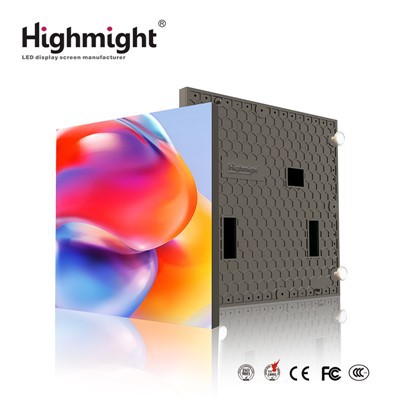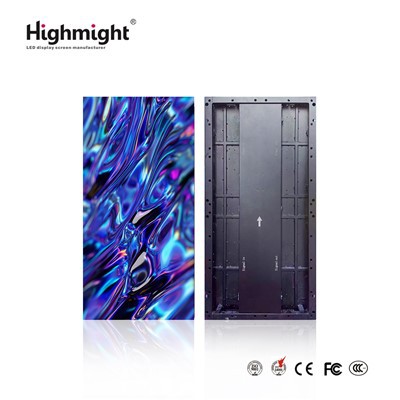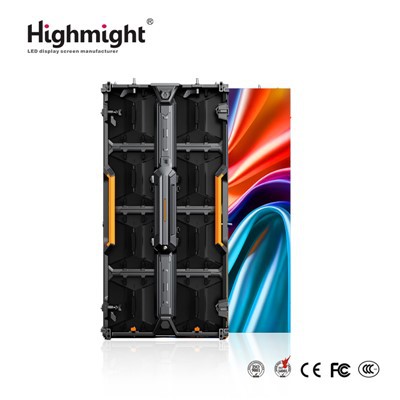



Hey there! As a supplier of Indoor LED Display Modules, I know how important it is to ensure the safety of using these nifty devices. In this blog, I'll share some tips and tricks on how you can keep things safe when using an indoor LED display module.
1. Installation Safety
First things first, the installation process is crucial for the safety of your indoor LED display module. You gotta make sure that the installation is done by professionals or at least someone who knows what they're doing.
- Proper Mounting: The display module should be mounted securely on a stable surface. Whether it's a wall or a custom - built frame, it needs to be able to support the weight of the module. A wobbly or poorly mounted display can fall and cause serious injuries. For example, if you're using a wall - mount, make sure the wall is strong enough and the mounting brackets are properly tightened.
- Electrical Connections: Electrical work is always a bit tricky. All electrical connections should be made according to the local electrical codes. Use high - quality cables and connectors to prevent short circuits. Loose connections can lead to overheating, which is a major fire hazard. You can check out our Indoor LED Display Module page for more details on the electrical requirements of our products.
2. Environmental Considerations
The environment where the indoor LED display module is placed can have a big impact on its safety.
- Temperature and Humidity: LED display modules are sensitive to extreme temperatures and humidity. They work best in a temperature range of around 20 - 30 degrees Celsius and a relative humidity of 40 - 60%. If the temperature is too high, the components can overheat, and if it's too low, the performance may be affected. High humidity can cause corrosion of the electrical components. So, make sure to place the display in a well - ventilated area with proper temperature and humidity control.
- Dust and Dirt: Dust and dirt can accumulate on the surface of the display module, which can block the ventilation and cause overheating. Regularly clean the display with a soft, dry cloth. Avoid using abrasive materials that can scratch the surface. You can also use compressed air to blow away the dust from hard - to - reach areas.
3. Usage Safety
How you use the indoor LED display module also plays a role in its safety.
- Power Management: Don't overload the power supply. Make sure the power supply unit is rated for the specific LED display module. Overloading can cause the power supply to overheat and fail, which can damage the display and pose a safety risk. Also, turn off the display when it's not in use to save energy and reduce the wear and tear on the components.
- Content Display: Be careful with the content you display on the LED screen. Flashing or rapidly changing images can cause discomfort or even seizures in some people, especially those with photosensitive epilepsy. Avoid using extremely bright or high - contrast images for long periods, as it can also cause eye strain.
4. Maintenance and Inspection
Regular maintenance and inspection are essential for the long - term safety of the indoor LED display module.
- Regular Checks: Conduct regular visual inspections of the display module. Look for any signs of damage, such as cracked screens, loose cables, or burnt components. If you notice any issues, address them immediately. You can also perform electrical tests periodically to ensure that the display is working properly.
- Component Replacement: Over time, some components of the LED display module may wear out. Replace any faulty or worn - out components with genuine parts from a reliable source. Using non - compatible or low - quality parts can compromise the safety and performance of the display. Check out our High - quality LED Module page for the best replacement parts.
5. Training and Education
If you have multiple people using or interacting with the indoor LED display module, it's important to provide them with proper training.
- User Training: Train the users on how to operate the display safely. Teach them about the power management, content display guidelines, and what to do in case of an emergency. This can help prevent accidents and ensure the proper use of the display.
- Emergency Procedures: Make sure everyone knows the emergency procedures, such as how to turn off the power in case of a fire or other safety hazards. Have a clear plan in place and post it near the display for easy reference.
6. Compliance with Standards
Ensure that the indoor LED display module complies with all relevant safety standards.
- Industry Standards: Look for products that meet international safety standards, such as UL, CE, and FCC. These standards ensure that the display has been tested and approved for safe use. Our LED Screen Module products are designed and manufactured to meet the highest safety standards.
In conclusion, ensuring the safety of using an indoor LED display module requires attention to detail in installation, environmental factors, usage, maintenance, training, and compliance. By following these tips, you can enjoy a safe and reliable indoor LED display experience.


If you're interested in purchasing our high - quality indoor LED display modules or have any questions about safety or other aspects, feel free to reach out to us. We're here to help you make the best choice for your needs.
References
- General knowledge on LED display technology and safety
- Industry guidelines on indoor LED display installation and usage