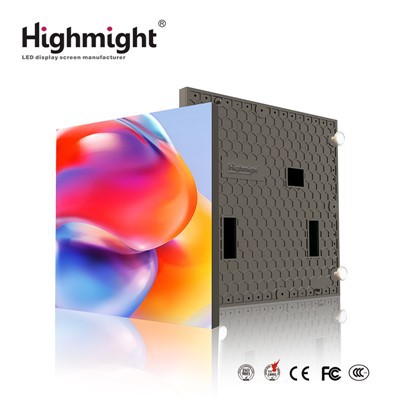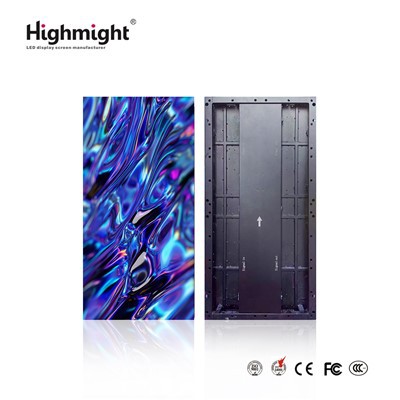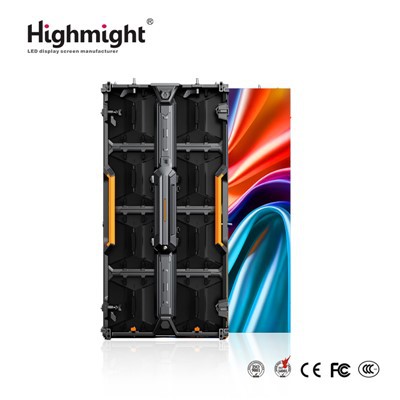

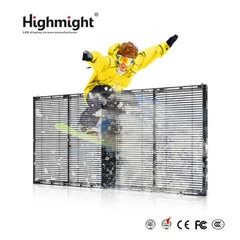


The response time of an outdoor LED display module is a critical parameter that significantly impacts its performance and suitability for various applications. As a leading supplier of Outdoor LED Display Module, we understand the importance of this factor and are committed to providing high - quality products with excellent response times.
Understanding Response Time
Response time refers to the time it takes for an LED display module to change from one state to another, typically measured in milliseconds (ms). In the context of an outdoor LED display, this is mainly about the time required for the pixels to switch from full brightness to full darkness or vice versa. A shorter response time means that the display can change images more quickly, resulting in smoother motion and reduced motion blur.
There are two main types of response times to consider: the rise time and the fall time. The rise time is the time it takes for the pixel to go from a low - luminance state to a high - luminance state, while the fall time is the time it takes to transition from a high - luminance state to a low - luminance state. Both of these times contribute to the overall response time of the display module.
Importance of Response Time in Outdoor LED Displays
1. Video and Animation Playback
Outdoor LED displays are often used for advertising, entertainment, and information dissemination, where video and animation playback are common. A fast response time is essential for smooth video playback. When the response time is too long, fast - moving objects in the video can appear blurry or leave trails, which can significantly degrade the viewing experience. For example, in a sports event broadcast on an outdoor LED display, a slow - responding display will not be able to accurately capture the rapid movements of athletes, making the footage look less engaging.
2. Dynamic Content
In addition to videos, outdoor LED displays also show dynamic content such as real - time stock prices, traffic information, and weather updates. A quick response time ensures that the display can keep up with the constantly changing data. If the response time is slow, there may be a noticeable delay between the actual data update and its display on the screen, which can be a problem, especially in applications where timely information is crucial.
3. Sunlight and Outdoor Conditions
Outdoor environments are much harsher than indoor ones. Sunlight can cause reflections and glare on the display, and the high ambient temperature can also affect the performance of the LED module. A display with a fast response time is better able to adapt to these changing light and temperature conditions. It can quickly adjust the brightness and color of the pixels to maintain a clear and visible image, even in direct sunlight.
Factors Affecting Response Time
1. LED Chip Technology
The type of LED chips used in the display module has a significant impact on the response time. High - quality LED chips are designed to have faster electron - hole recombination rates, which means they can switch states more quickly. For example, some advanced LED chips use gallium nitride (GaN) technology, which offers better electrical and optical properties compared to traditional chips. These chips can achieve shorter response times, resulting in improved display performance.
2. Driving Circuit Design
The driving circuit is responsible for controlling the current and voltage supplied to the LED chips. A well - designed driving circuit can provide precise and stable control signals, which helps to reduce the response time of the display module. It can also optimize the power consumption of the LEDs while ensuring fast switching. For instance, a driving circuit with a high - speed switching transistor can quickly turn the LEDs on and off, improving the overall response performance.
3. Heat Dissipation
Heat is one of the main factors that can slow down the response time of an LED display module. When the temperature of the LEDs rises, the electrical properties of the semiconductor materials change, which can increase the response time. Effective heat dissipation mechanisms, such as heat sinks and fans, are necessary to keep the temperature of the display module within an acceptable range. By maintaining a low operating temperature, the LEDs can operate more efficiently and achieve faster response times.
Our Solutions for Fast Response Time
As a supplier of Outdoor LED Display Module, we have adopted several strategies to ensure that our products have fast response times.
1. High - Quality LED Chips
We source the latest and highest - quality LED chips from leading manufacturers. These chips are specifically designed for outdoor applications and have excellent response time characteristics. By using these advanced chips, we can ensure that our display modules can provide smooth and clear images, even for fast - moving content.
2. Advanced Driving Circuit Design
Our R & D team has developed a state - of - the - art driving circuit that is optimized for fast response times. The circuit uses high - speed components and advanced control algorithms to provide precise and rapid control signals to the LED chips. This allows the display module to switch states quickly and accurately, reducing motion blur and improving the overall visual experience.
3. Efficient Heat Dissipation Systems
To combat the heat generated by the LEDs, we have incorporated efficient heat dissipation systems into our outdoor LED display modules. Our heat sinks are made of high - thermal - conductivity materials, and the fans are carefully designed to provide sufficient airflow. This helps to keep the temperature of the display module low, ensuring that the LEDs can operate at their optimal performance and maintain fast response times.
Energy - Saving and Response Time
In addition to fast response times, our Energy - saving Outdoor LED Modules are also designed to be energy - efficient. The advanced driving circuit not only improves the response time but also reduces power consumption. By using less energy, the LEDs generate less heat, which in turn helps to maintain fast response times. This combination of fast response and energy - saving features makes our outdoor LED display modules an ideal choice for long - term outdoor use.
Conclusion
The response time of an outdoor LED display module is a crucial factor that affects its performance, especially in applications involving video playback, dynamic content, and outdoor conditions. As a reliable supplier, we are dedicated to providing high - quality outdoor LED display modules with fast response times. Our use of advanced LED chip technology, innovative driving circuit design, and efficient heat dissipation systems ensures that our products can meet the demanding requirements of various outdoor applications.
If you are interested in our outdoor LED display modules or have any questions about response time and other technical specifications, please feel free to contact us for further discussion and potential procurement. We look forward to working with you to provide the best display solutions for your needs.


References
- Smith, J. (2020). LED Display Technology: Principles and Applications. New York: ABC Publishing.
- Johnson, M. (2019). Advances in Outdoor LED Display Design. Journal of Display Technology, 15(2), 123 - 135.
- Brown, A. (2021). Energy - Efficient LED Lighting Systems. London: XYZ Press.