


In the dynamic landscape of display technology, flexible LED displays have emerged as a revolutionary innovation, offering unparalleled versatility and visual impact. As a leading supplier of flexible LED displays, I am excited to delve into the fascinating world of how these cutting-edge displays work. This blog post aims to provide a comprehensive understanding of the technology behind flexible LED displays, exploring their components, operation principles, and the unique advantages they bring to various applications.
Understanding the Basics of LED Technology
Before we dive into the specifics of flexible LED displays, let's first understand the fundamentals of LED technology. LED, or Light Emitting Diode, is a semiconductor device that emits light when an electric current passes through it. Unlike traditional incandescent bulbs, which produce light by heating a filament, LEDs generate light through a process called electroluminescence. This process involves the recombination of electrons and holes in the semiconductor material, releasing energy in the form of light.
LEDs offer several advantages over traditional lighting sources, including high energy efficiency, long lifespan, low heat generation, and fast response times. These characteristics make them ideal for a wide range of applications, from general lighting to automotive headlights, signage, and display systems.


Components of a Flexible LED Display
A flexible LED display consists of several key components, each playing a crucial role in its operation. These components include:
- LED Chips: The heart of a flexible LED display is the LED chips, which are responsible for emitting light. These chips are typically made of gallium nitride (GaN) or other semiconductor materials and are available in different colors, including red, green, and blue (RGB). By combining these primary colors, a wide range of colors can be achieved, allowing for full-color displays.
- Flexible Substrate: The flexible substrate is the base material on which the LED chips are mounted. It provides mechanical support and flexibility to the display, allowing it to be bent, curved, or rolled without damaging the LED chips. Common materials used for flexible substrates include polyimide (PI), polyethylene terephthalate (PET), and silicone.
- Printed Circuit Board (PCB): The PCB is a thin board that contains the electrical circuitry for connecting the LED chips and controlling their operation. It provides a platform for mounting the LED chips and other electronic components, such as resistors, capacitors, and drivers. The PCB also plays a crucial role in distributing power and signals to the LED chips, ensuring proper operation and synchronization.
- Drivers and Controllers: The drivers and controllers are responsible for regulating the electrical current and voltage supplied to the LED chips, controlling their brightness, color, and other parameters. They also manage the communication between the display and external devices, such as computers, media players, or video processors. Advanced drivers and controllers can support features such as dimming, color calibration, and video playback, enhancing the visual performance and functionality of the display.
- Protective Layers: To protect the LED chips and other components from environmental factors, such as moisture, dust, and mechanical damage, flexible LED displays are typically coated with one or more protective layers. These layers can include transparent films, encapsulants, or conformal coatings, which provide a barrier against moisture and other contaminants while allowing light to pass through.
How a Flexible LED Display Works
The operation of a flexible LED display can be divided into several stages, each involving a specific set of processes and components. Here's a step-by-step overview of how a flexible LED display works:
- Power Supply: The first step in operating a flexible LED display is to provide it with a power supply. This can be done using a dedicated power adapter or by connecting the display to a power source, such as a battery or a mains electrical outlet. The power supply provides the necessary electrical energy to drive the LED chips and other components of the display.
- Signal Input: Once the display is powered on, it needs to receive a signal input from an external source, such as a computer, media player, or video processor. This signal contains the information about the image or video that needs to be displayed on the screen, including the color, brightness, and other parameters. The signal is typically transmitted through a cable or wireless connection, such as HDMI, DVI, VGA, or Wi-Fi.
- Signal Processing: After receiving the signal input, the display's drivers and controllers process the signal to convert it into a format that can be understood by the LED chips. This involves decoding the signal, adjusting the color and brightness levels, and synchronizing the operation of the LED chips. The drivers and controllers also manage the communication between the display and the external device, ensuring smooth and reliable operation.
- Light Emission: Once the signal is processed, the drivers and controllers send electrical signals to the LED chips, causing them to emit light. The intensity and color of the light emitted by each LED chip are controlled by the electrical current and voltage supplied to it, allowing for precise control over the display's brightness and color. By selectively activating different LED chips, the display can create a wide range of images and patterns, including text, graphics, and videos.
- Viewing: Finally, the light emitted by the LED chips passes through the protective layers and is visible to the viewer. The viewer can then see the image or video displayed on the screen, which can be viewed from different angles and distances depending on the design and specifications of the display.
Advantages of Flexible LED Displays
Flexible LED displays offer several advantages over traditional rigid displays, making them an ideal choice for a wide range of applications. Some of the key advantages of flexible LED displays include:
- Versatility: One of the primary advantages of flexible LED displays is their versatility. They can be bent, curved, or rolled into various shapes and sizes, allowing for creative and innovative display designs. This makes them suitable for a wide range of applications, including advertising, signage, retail displays, event staging, and architectural lighting.
- High Brightness and Contrast: Flexible LED displays typically offer high brightness and contrast ratios, making them visible even in bright sunlight or other challenging lighting conditions. This makes them ideal for outdoor applications, such as billboards, stadium displays, and traffic signs.
- Energy Efficiency: LED technology is known for its high energy efficiency, consuming significantly less power than traditional lighting sources. Flexible LED displays are no exception, offering energy savings of up to 80% compared to traditional displays. This not only reduces operating costs but also helps to minimize the environmental impact of the display.
- Long Lifespan: LED chips have a long lifespan, typically lasting up to 100,000 hours or more. This means that flexible LED displays require less frequent replacement and maintenance, reducing downtime and costs.
- Easy Installation and Maintenance: Flexible LED displays are lightweight and easy to install, making them suitable for both indoor and outdoor applications. They also require minimal maintenance, as they do not have any moving parts or fragile components.
Applications of Flexible LED Displays
The versatility and unique features of flexible LED displays make them suitable for a wide range of applications across various industries. Some of the common applications of flexible LED displays include:
- Advertising and Signage: Flexible LED displays are widely used in advertising and signage applications, offering a dynamic and eye-catching way to promote products and services. They can be used to create large-scale billboards, digital signage, and interactive displays, attracting the attention of customers and increasing brand awareness.
- Retail Displays: In the retail industry, flexible LED displays are used to create engaging and immersive shopping experiences. They can be used to display product information, promotions, and advertisements, enhancing the visual appeal of the store and increasing sales.
- Event Staging: Flexible LED displays are also popular in event staging and entertainment applications. They can be used to create stunning visual effects, backdrops, and stage sets, adding a touch of drama and excitement to concerts, festivals, conferences, and other events.
- Architectural Lighting: In the field of architecture, flexible LED displays are used to enhance the aesthetic appeal of buildings and structures. They can be used to create dynamic lighting effects, highlight architectural features, and add a modern and innovative touch to the design.
- Automotive and Aerospace: Flexible LED displays are also finding applications in the automotive and aerospace industries. They can be used to create instrument panels, dashboard displays, and interior lighting, providing a more intuitive and user-friendly interface for drivers and passengers.
Explore Our Flexible LED Display Products
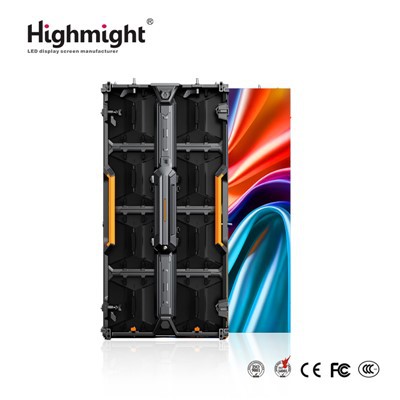
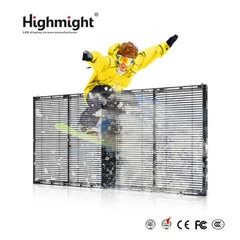
As a leading supplier of flexible LED displays, we offer a wide range of high-quality products to meet the diverse needs of our customers. Our product portfolio includes High Brightness Indoor Flexible Module and High transparency LED crystal film screen, which are designed to provide exceptional visual performance and reliability.
If you are interested in learning more about our flexible LED display products or would like to discuss your specific requirements, please feel free to contact us. Our team of experts will be happy to assist you and provide you with the best solutions for your needs.
References
- "Light-Emitting Diodes (LEDs): Principles, Characteristics, and Applications." Handbook of Lighting Technology, edited by W. Elenbaas, Springer, 2011.
- "Flexible Electronics: Materials and Applications." CRC Press, 2013.
- "LED Displays: Technology and Applications." John Wiley & Sons, 2010.