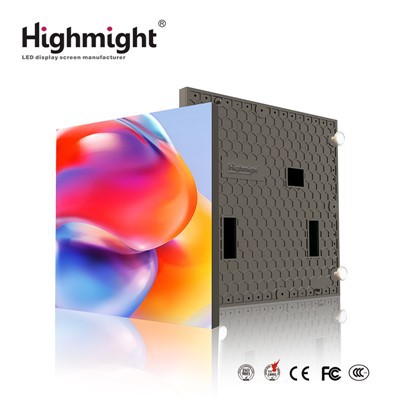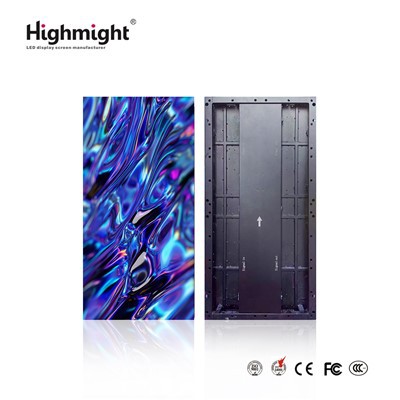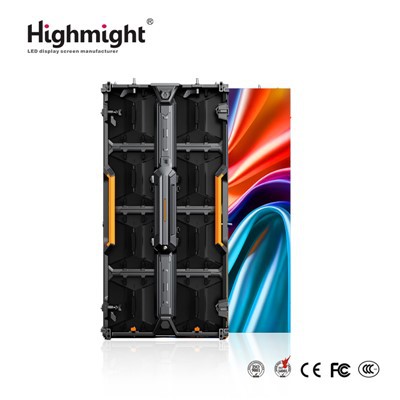

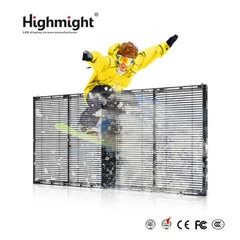


Hey there! As a supplier of transparent LED displays, I often get asked about the weight of these nifty devices. It's a crucial factor, especially when you're thinking about installation, transportation, or just making sure your structure can handle it. So, let's dig into what affects the weight of a transparent LED display and why it matters.
First off, what exactly is a transparent LED display? Well, it's a super cool piece of tech that combines the power of LED lighting with transparency. You can see through it while still getting vivid, high - quality visuals. It's used in all sorts of places, like retail stores for eye - catching ads, in museums to add an interactive touch, or even in events for that extra - special visual experience.
Now, let's talk about the factors that influence the weight of a transparent LED display.
Size Matters
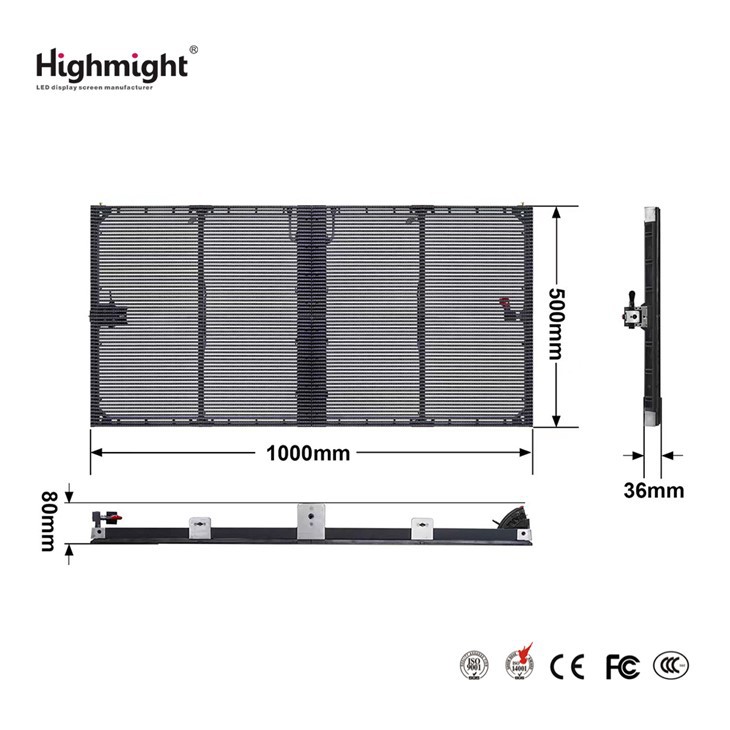
Just like with most things, the bigger the display, the heavier it's going to be. A small, table - top transparent LED display might weigh just a few pounds. But if you're looking at a large - scale Rental Transparent LED Large Screen for an outdoor event or a big - box store, the weight can go up significantly. Larger displays need more LEDs, a bigger frame, and more support structures, all of which contribute to the overall heft.
Type of Frame
The frame of a transparent LED display plays a huge role in its weight. There are different types of frames, each with its own characteristics. Some frames are made of lightweight aluminum. Aluminum is great because it's strong and corrosion - resistant, but it also keeps the weight down. On the other hand, steel frames are heavier. They're often used in more industrial or high - security settings where extra durability is needed. So, if you're going for a steel - framed Rental Transparent LED Video Wall, you can expect it to be on the heavier side compared to an aluminum - framed one.
Pixel Pitch
Pixel pitch refers to the distance between the centers of two adjacent LEDs. A smaller pixel pitch means more LEDs are packed into a given area, which can increase the weight. High - resolution displays with a small pixel pitch are great for close - up viewing, like in a retail store where customers will be standing right in front of the screen. But because they have more LEDs, they're generally heavier than displays with a larger pixel pitch.
Additional Features
Some transparent LED displays come with extra features that can add to the weight. For example, displays with built - in speakers or advanced cooling systems will be heavier. Speakers need to be housed properly, and cooling systems require fans, heat sinks, and other components. If you're using a Transparent LED Advertising Screen in a hot environment or one that needs to produce high - quality sound, these additional features are worth considering, but you'll have to account for the extra weight.

Why Does the Weight Matter?
The weight of a transparent LED display is important for several reasons.
Installation
When it comes to installation, the weight determines what kind of mounting system you need. A heavy display might require a more robust mounting structure, like a steel frame or a reinforced wall. If you try to install a heavy display on a weak structure, it could lead to safety issues. For example, if the display falls, it could cause damage to property or, even worse, injure people.
Transportation
Transporting a transparent LED display can be a challenge, especially if it's heavy. You need to make sure you have the right equipment, like a truck with a high - enough weight capacity. Also, heavy displays might require more careful handling during loading and unloading to prevent damage.
Structural Support
Buildings and structures have weight limits. Before installing a large transparent LED display, you need to make sure the building can support it. This might involve consulting an engineer to assess the structural integrity of the wall or ceiling where the display will be mounted.
Typical Weight Ranges
It's hard to give an exact weight for all transparent LED displays because there are so many variables. But here's a rough idea.
Small - sized displays (less than 1 square meter) with an aluminum frame and a relatively large pixel pitch might weigh around 5 - 10 kilograms. Medium - sized displays (1 - 5 square meters) could weigh anywhere from 10 - 50 kilograms, depending on the frame material and pixel pitch. Large - scale displays (more than 5 square meters) can weigh over 50 kilograms, sometimes even several hundred kilograms for really big and high - end models.
So, if you're in the market for a transparent LED display, it's important to think about the weight and how it will fit into your specific situation. Whether you're using it for advertising, events, or any other purpose, understanding the weight will help you make the right choice.
If you're interested in learning more about our transparent LED displays or have any questions about their weight, installation, or anything else, don't hesitate to reach out. We're here to help you find the perfect display for your needs. Contact us to start a conversation about your procurement and let's work together to bring your vision to life!
References
- General knowledge from the LED display industry
- Experience and expertise as a transparent LED display supplier