


LED display technology and its development
1.LED display technology
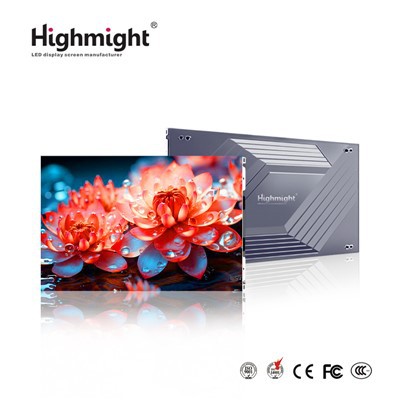
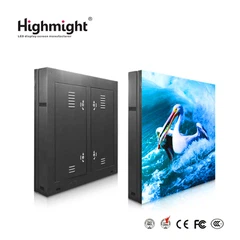
After the LED lamp beads are packaged, they are arranged in a fixed manner on the PCB (Printed Circuit Board) to form an LED lamp array. The unit composed of the peripheral driving circuit is called an LED module (also known as an LED light board). The unit formed by the regular combination of multiple LED modules plus the receiving card and power supply is called an LED cabinet. The LED display screen is composed of multiple LED cabinets. At this time, the LED display screen cannot be lit to display effective content, and a dedicated controller and video source are required.
The source of the video source can be a computer, player, media server, camera and other equipment. These equipment outputs the video source to the LED controller. The LED controller decodes, converts the format, cuts the image and then outputs the data format suitable for the LED display screen to the receiving card of the ED body. The brightness and color of the LED light-emitting chip are controlled by the receiving card, so that the required content is displayed on the LED display screen. The topological system structure of the LED display is shown in Figure .
From the perspective of the entire LED display structure, LED display technology includes LED display control system technology, LED driving technology, LED display correction technology, LED packaging technology, LED light-emitting chip technology, etc.

2. LED display industry chain structure
The LED display industry chain is formed by closely combining the various technical links of the LED display. The LED display industry chain is divided into three links: chip end (upstream), packaging end (midstream) and display end (downstream).

Chip side
Substrate & epitaxial materials: sapphire (AiO.) silicon (Si), silicon carbide (SiC)
Gallium nitride (GaN)
Blue-green light chip:
Gallium arsenide (GaAs)
Red light chip
Chip structure: top mount, flip-chip, vertical, etc.
Packaging side
Packaging type: SMD, IMDCOB
Display side
Display type: traditional display (Pitch≥2 5), Mm LED display (1.2
The chip side mainly refers to epitaxial wafer production, that is, LED light-emitting chips and related materials, which is the link of manufacturing LED light-emitting chips. The technology required for the chip side covers basic knowledge such as chemistry and physics, so the technical threshold of the chip side is relatively high, and it is also the source of the development of the entire LED display industry chain.
The packaging side mainly refers to the packaging of LED light-emitting chips, that is, packaging ED light-emitting chips into pixel units. The products involved in this link usually include DIP-packaged LED light-emitting units, SMD-packaged LED light-emitting pixels, etc. This link uses certain process technology to form the chip-end products into a display screen that is easy to pick up and weld. The display screen mainly refers to LED display products, that is, LED display modules, LED cabinets, and LED display screens. This link involves many industries, such as driver chip industry, power supply industry, control system industry, hardware cabinet industry, etc.
Form.
3. Timeline of key technology development
LED display screens have gone through a process from outdoor ultra-large spacing to indoor small spacing, and then to the current indoor ultra-small spacing, as shown in Figure 1-2-3. The main reason is that LED light-emitting semiconductors had low luminous efficiency and single display color in the early days, so they could only be applied to some simple display fields, such as door advertisements that can only display text, and traffic signs that can only display symbols and simple colors. It was not until the problem of luminous efficiency was solved that LED display began to enter the full-color era, but at that time the dot spacing of LED display screens was still very large, and it was mainly used for outdoor advertising playback, information notices, and other scenes that require ultra-long-distance viewing.
With the development of technology, SMD packaging technology has emerged, making the dot pitch of LED display screens reach P3.9 or even P2.5. At this time, LED display screens can be installed in outdoor places where they are viewed at a close distance, such as concerts, community squares, etc., and some have even begun to be displayed indoors. When the dot pitch of LED display screens can reach below P2.0, LED display screens can be seen in many indoor places, such as escalators in shopping malls, entrances to indoor stores, and exhibition halls of enterprises. What drives the development of LED display and its entry into new fields is the continuous innovation of technology. The application scenarios brought about by different dot pitches are different, and the required technologies and problems to be solved are also different.