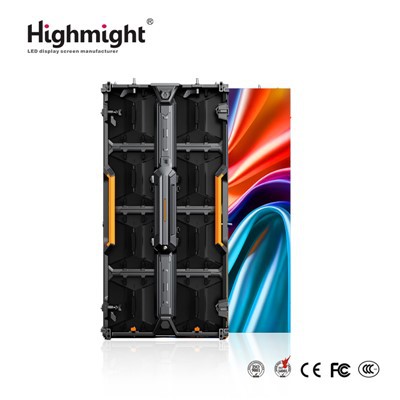



In recent years, environmental concerns have become a central focus across various industries, and the technology sector is no exception. As an Indoor LED Display Module supplier, I've witnessed firsthand the growing demand for products that not only offer high - performance but also adhere to environmental standards. This blog aims to explore the question: Are indoor LED display modules environmentally friendly?
Energy Efficiency: A Key Environmental Advantage
One of the most significant environmental benefits of indoor LED display modules is their energy efficiency. Compared to traditional lighting and display technologies such as incandescent bulbs and fluorescent tubes, LEDs consume significantly less power. According to a study by the U.S. Department of Energy, LEDs use at least 75% less energy than incandescent lighting and can last 25 times longer.
For indoor applications, this energy efficiency translates into lower electricity bills for businesses and institutions that use LED display modules. Moreover, reduced energy consumption means less demand on power plants, which often rely on fossil fuels. By choosing Indoor Led Display, companies can contribute to a decrease in greenhouse gas emissions associated with power generation.
Long Lifespan and Reduced Waste
The long lifespan of LED display modules is another factor that makes them environmentally friendly. Traditional display technologies often need to be replaced frequently due to wear and tear. In contrast, LED modules can operate for tens of thousands of hours before requiring replacement.
This extended lifespan reduces the amount of electronic waste generated. Electronic waste, or e - waste, is a growing global problem, as it contains hazardous materials such as lead, mercury, and cadmium. By using High - quality LED Module with a long lifespan, we can minimize the volume of e - waste sent to landfills and potentially reduce the environmental impact of improper e - waste disposal.
Mercury - Free and Non - Toxic
Unlike fluorescent displays, which contain mercury, a highly toxic substance, LED display modules are mercury - free. Mercury is a persistent environmental pollutant that can contaminate soil, water, and air. When fluorescent bulbs break or are disposed of in landfills, mercury can be released into the environment, posing risks to human health and wildlife.
The absence of mercury in LED modules makes them a safer and more environmentally responsible choice. Additionally, most modern LED display modules are made from non - toxic materials, further reducing their environmental impact during production, use, and disposal.
Reduced Heat Emission
LED display modules emit less heat compared to traditional lighting and display technologies. Incandescent bulbs, for example, convert a large portion of the energy they consume into heat rather than light. This not only wastes energy but also requires additional energy for cooling in indoor spaces.
The reduced heat emission of LED modules means less strain on air - conditioning systems, leading to further energy savings. In large commercial buildings or data centers with multiple display modules, this can result in significant energy and cost savings over time.


Recyclability
Many components of LED display modules are recyclable. As the technology has advanced, manufacturers have made efforts to design products that are easier to disassemble and recycle. Recycling LED modules can recover valuable materials such as metals and plastics, reducing the need for virgin materials extraction.
However, it's important to note that the recyclability of LED modules can vary depending on the specific design and materials used. As an Indoor LED Display Module supplier, we are committed to working with recycling partners to ensure that our products are recycled in an environmentally responsible manner.
Potential Environmental Concerns
While indoor LED display modules offer many environmental benefits, there are also some potential concerns. The production of LEDs requires the use of rare earth elements such as indium, gallium, and terbium. The extraction and processing of these elements can have significant environmental impacts, including habitat destruction, water pollution, and soil degradation.
Moreover, the rapid pace of technological advancement in the LED industry means that older models can quickly become obsolete. This can lead to an increase in e - waste if not managed properly. To address these issues, the industry needs to focus on sustainable sourcing of raw materials and improving e - waste management practices.
Our Commitment as a Supplier
As an Indoor LED Display Module supplier, we are aware of both the environmental advantages and challenges associated with our products. We are committed to sourcing raw materials from suppliers who adhere to sustainable practices. We also invest in research and development to improve the energy efficiency and recyclability of our Moisture - proof LED Module and other products.
In addition, we provide our customers with information on proper disposal and recycling of our products. We believe that by working together with our customers, we can maximize the environmental benefits of indoor LED display modules and minimize their negative impacts.
Conclusion
In conclusion, indoor LED display modules offer significant environmental advantages in terms of energy efficiency, long lifespan, mercury - free composition, reduced heat emission, and recyclability. However, there are also some potential environmental concerns related to raw material sourcing and e - waste management.
As an industry, we need to continue to innovate and improve to address these challenges. As a supplier, we are dedicated to providing high - quality, environmentally friendly products and working with our customers to promote sustainable practices.
If you are interested in learning more about our indoor LED display modules or are considering a purchase, we encourage you to reach out to us for a detailed discussion. Our team of experts is ready to assist you in finding the best solutions for your specific needs. Let's work together to create a more sustainable future with the use of indoor LED display modules.
References
- U.S. Department of Energy. (n.d.). Energy Savings of LED Lighting. Retrieved from official DOE website.
- Various industry reports on LED technology and environmental impact.