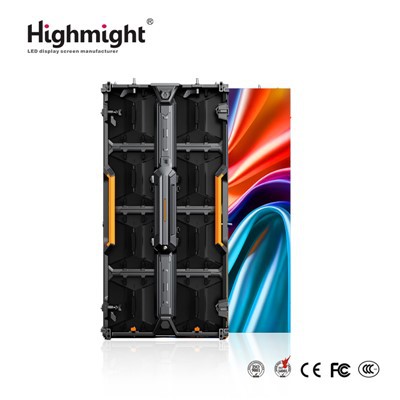



In the dynamic world of visual technology, indoor LED display modules have emerged as a cornerstone for businesses and organizations seeking to captivate audiences with vibrant, high - impact visuals. As a leading supplier of indoor LED display modules, I've encountered numerous inquiries regarding the long - term performance of these products, particularly the concern of color shift over time. In this blog, I aim to delve into the intricacies of this issue, exploring the factors that contribute to color shift and providing insights on how to mitigate its effects.
Understanding Color Shift in Indoor LED Display Modules
Color shift refers to the gradual change in the color characteristics of an LED display over its operational lifespan. This can manifest as a deviation from the original color calibration, resulting in inaccurate color representation. While color shift is a natural phenomenon that occurs in all display technologies, the extent and rate at which it occurs in indoor LED display modules can vary significantly depending on several factors.
One of the primary causes of color shift in LED displays is the degradation of the LED chips themselves. LEDs are semiconductor devices that emit light when an electric current passes through them. Over time, the internal structure of the LED chips can be affected by factors such as heat, electrical stress, and environmental conditions. This degradation can lead to changes in the spectral output of the LEDs, causing a shift in the perceived color of the display.
Heat is a particularly significant factor in LED degradation. When LEDs operate, they generate heat as a by - product of the electrical energy conversion process. If the heat is not effectively dissipated, it can cause the temperature of the LED chips to rise, accelerating the degradation process. High temperatures can also affect the performance of other components in the display module, such as the driver circuits and the encapsulation materials, further contributing to color shift.
Another factor that can contribute to color shift is the quality of the LED chips and the manufacturing process. Low - quality LED chips may have inherent variations in their spectral characteristics, which can become more pronounced over time. Additionally, poor manufacturing practices, such as improper soldering, inadequate encapsulation, or inconsistent assembly, can introduce additional stress on the LEDs and increase the likelihood of color shift.
Impact of Color Shift on Indoor LED Displays
Color shift can have a significant impact on the performance and usability of indoor LED displays. In applications where accurate color representation is crucial, such as in advertising, retail displays, and digital signage, even a slight color shift can degrade the visual quality of the content and reduce its impact on the audience. For example, in a retail store, a color - shifted display may make products appear less appealing, leading to a decrease in sales.
In addition to the visual impact, color shift can also affect the reliability and longevity of the display. As the color characteristics of the LEDs change, it can become more difficult to maintain a consistent and accurate color calibration. This may require frequent recalibration or replacement of the display modules, increasing the maintenance costs and downtime for the user.
Mitigating Color Shift in Indoor LED Display Modules
As a supplier of indoor LED display modules, we are committed to providing high - quality products that minimize the risk of color shift. Here are some of the strategies we employ to address this issue:
High - Quality LED Chips
We source our LED chips from reputable manufacturers that adhere to strict quality control standards. Our High - quality LED Module uses premium - grade LEDs that are designed to have excellent color stability and long - term performance. These LEDs are tested rigorously to ensure that they meet our specifications for color accuracy and consistency.
Advanced Heat Dissipation Design
To minimize the impact of heat on the LED chips, our display modules are equipped with advanced heat dissipation systems. These systems include heat sinks, fans, and thermal vias that are designed to efficiently transfer heat away from the LEDs and maintain a stable operating temperature. By keeping the temperature of the LED chips within an optimal range, we can significantly reduce the rate of degradation and color shift.

Quality Manufacturing Processes
We follow strict manufacturing processes to ensure the reliability and performance of our display modules. Our production facilities are equipped with state - of - the - art equipment and are staffed by highly skilled technicians. We use automated assembly lines to ensure consistent and precise manufacturing, and we conduct thorough quality inspections at every stage of the production process.
Color Calibration and Monitoring
We provide our customers with tools and services for color calibration and monitoring. Our display modules can be calibrated using specialized software to ensure accurate color representation. Additionally, we offer remote monitoring services that allow us to track the performance of the displays over time and detect any signs of color shift early. By addressing color shift issues proactively, we can help our customers maintain the visual quality of their displays and extend their lifespan.
Comparing Indoor and Outdoor LED Displays
It's worth noting that while both indoor and outdoor LED displays are susceptible to color shift, the outdoor environment presents additional challenges. Outdoor displays are exposed to more extreme temperature variations, sunlight, humidity, and dust, which can accelerate the degradation process. Our Outdoor Large Screen Display is designed to withstand these harsh conditions, with enhanced protection against environmental factors and more robust heat dissipation systems.
On the other hand, indoor displays typically operate in a more controlled environment, which can reduce the risk of color shift. However, the specific application and usage patterns of indoor displays can still have an impact on their long - term color stability. For example, displays that are used for long periods of time at high brightness levels may experience more rapid color shift compared to those used intermittently.
Transparent LED Advertising Screens and Color Shift
Transparent LED advertising screens have become increasingly popular in recent years, offering a unique and eye - catching way to display content. These screens combine the benefits of transparency with high - brightness LED technology, making them suitable for a variety of applications, such as storefronts, museums, and exhibition halls.
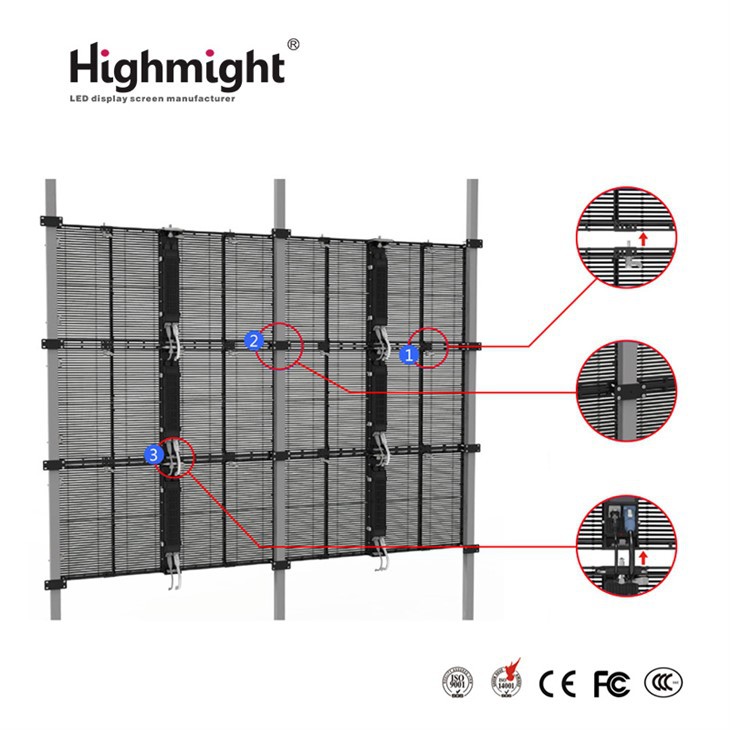
Like traditional indoor LED displays, transparent LED advertising screens are also prone to color shift over time. However, the unique design and structure of these screens can present additional challenges in terms of heat dissipation and color uniformity. Our Transparent LED Advertising Screen is engineered to address these issues, with a focus on optimizing the thermal management and ensuring consistent color performance.
Conclusion
In conclusion, while indoor LED display modules are prone to color shift over time, there are effective strategies to mitigate this issue. By using high - quality LED chips, implementing advanced heat dissipation designs, following strict manufacturing processes, and providing color calibration and monitoring services, we can ensure that our indoor LED display modules offer long - term color stability and high - quality visual performance.
If you are in the market for indoor LED display modules and are concerned about color shift, we invite you to contact us for more information. Our team of experts is ready to assist you in selecting the right display solution for your specific needs and to provide you with the support and guidance you need to ensure the long - term success of your project.
References
- "LED Lighting Technology: A Guide to LED Lighting" by Illuminating Engineering Society.
- "Color Science for Imaging Scientists and Engineers" by Roy S. Berns.
- Technical reports from leading LED manufacturers on LED degradation and color stability.