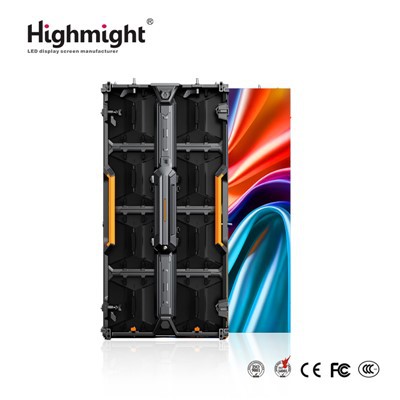



As a supplier of outdoor LED modules, I often get asked whether these products are environmentally friendly. It's a hot - button topic, and for good reason. We're all more conscious about our environmental impact these days, and rightly so. So, let's dig into this question and see if outdoor LED modules are really as green as they're made out to be.
Energy Efficiency
One of the biggest selling points of outdoor LED modules is their energy efficiency. Traditional lighting options, like incandescent bulbs, waste a ton of energy as heat. They convert only about 10% of the energy they consume into light, with the rest going up in heat. That's just crazy!
On the other hand, outdoor LED modules are way more efficient. Our Energy - saving Outdoor LED Modules can convert up to 80% of the energy they use into light. This means they use a lot less electricity to produce the same amount of light as traditional bulbs.
Less energy consumption translates into lower electricity bills for users. But the benefits don't stop there. When we use less electricity, power plants don't have to generate as much. Since most power plants burn fossil fuels, which release greenhouse gases, using energy - efficient LED modules helps reduce our carbon footprint. It's a win - win situation for both the users and the environment.
Long Lifespan
Another environmental advantage of outdoor LED modules is their long lifespan. Incandescent bulbs typically last for about 1,000 hours, while fluorescent bulbs can go up to 10,000 hours. In contrast, our outdoor LED modules can last for 50,000 hours or even more.
Think about it. If you have to replace an incandescent bulb every few months, that's a lot of bulbs ending up in landfills over time. With LED modules, you'll be replacing them far less frequently. Fewer replacements mean less waste generation. This reduction in waste is a significant step towards a more sustainable environment.
Durability and Resistance
Outdoor LED modules are built tough. They're designed to withstand harsh weather conditions, such as rain, snow, and extreme temperatures. Our Waterproof LED Module is a prime example. It can handle being exposed to water without getting damaged.
This durability means that LED modules are less likely to break or malfunction prematurely. When products last longer and are less prone to damage, we don't have to keep buying new ones. As a result, we're not only saving money but also reducing the demand for raw materials used in manufacturing new lighting products. Fewer raw materials being extracted from the earth is better for the environment, as it helps preserve natural resources.
Mercury - Free
Fluorescent lights, a common alternative to incandescent bulbs, contain mercury. Mercury is a highly toxic substance. When fluorescent bulbs break or reach the end of their life, this mercury can be released into the environment. It can contaminate soil, water, and air, posing serious health risks to humans and wildlife.
In contrast, outdoor LED modules are mercury - free. This makes them a much safer and more environmentally friendly option. You don't have to worry about the potential hazards associated with mercury exposure when using LED modules. It's one less thing to stress about, and it's a huge plus for the environment.
High Brightness and Light Quality
Our High Brightness Outdoor LED Module offers excellent light quality. They can produce bright, clear light that's evenly distributed. This high - quality light means that fewer modules may be needed to illuminate a given area compared to traditional lighting.
When we need fewer lighting fixtures, we're using fewer resources in the manufacturing process. Additionally, less energy is consumed because there are fewer bulbs or modules drawing power. The high brightness also allows for better visibility, which can enhance safety in outdoor areas.
Some Potential Drawbacks
Now, it's not all sunshine and rainbows. There are a few potential drawbacks to consider when it comes to the environmental impact of outdoor LED modules.


The production of LED modules does require some energy and raw materials. Mining and processing these materials can have environmental impacts, such as habitat destruction and water pollution. However, as technology advances, manufacturers are finding more sustainable ways to produce LED modules. For example, some companies are using recycled materials in the production process.
Another issue is the disposal of LED modules at the end of their life. While they don't contain mercury, they do have electronic components that need to be properly recycled. If not recycled correctly, these components can still end up in landfills and potentially leach harmful substances into the soil. But there are recycling programs emerging to address this problem, and more users are becoming aware of the importance of proper disposal.
Conclusion
Overall, outdoor LED modules are a relatively environmentally friendly lighting option. Their energy efficiency, long lifespan, durability, mercury - free nature, and high - quality light make them a great choice for reducing our environmental impact. While there are some potential drawbacks, the benefits far outweigh the negatives.
If you're in the market for outdoor lighting and are concerned about the environment, I highly recommend considering our outdoor LED modules. They're not only good for the planet but also offer great value for money. Whether you need Waterproof LED Module, Energy - saving Outdoor LED Modules, or High Brightness Outdoor LED Module, we've got you covered.
If you're interested in learning more about our products or would like to discuss a potential purchase, don't hesitate to reach out. We're always happy to have a chat and help you find the best lighting solution for your needs.
References
- "Light - Emitting Diodes (LEDs): Energy - Efficient Lighting Technology" by the U.S. Department of Energy
- "The Environmental Impact of Lighting" from the International Energy Agency
- "LED Lighting: A Sustainable Solution" in Lighting Research & Technology journal