


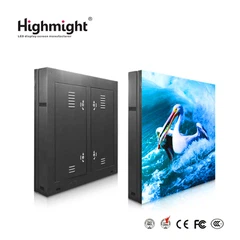



Can indoor LED display modules be used in a humid environment?
As a supplier of Indoor LED Display Module, I often receive inquiries from customers about the suitability of our products in various environments. One of the most common questions is whether indoor LED display modules can be used in a humid environment. In this blog post, I will delve into this topic and provide a comprehensive answer based on scientific knowledge and practical experience.
Understanding the Impact of Humidity on LED Display Modules
Humidity refers to the amount of water vapor present in the air. High humidity levels can have several detrimental effects on electronic devices, including LED display modules. When the air is humid, water molecules can condense on the surface of the components, leading to short circuits, corrosion, and other malfunctions.
The main components of an LED display module are the light-emitting diodes (LEDs), printed circuit boards (PCBs), and driver chips. These components are sensitive to moisture. For example, when water comes into contact with the metal parts of the PCB, it can cause oxidation and corrosion, which may disrupt the electrical connections and reduce the performance of the module. Similarly, moisture can damage the internal structure of the LEDs and driver chips, leading to color fading, reduced brightness, and even complete failure.
Factors Affecting the Use of Indoor LED Display Modules in Humid Environments
The ability of indoor LED display modules to withstand a humid environment depends on several factors, including the design and construction of the module, the level of humidity, and the duration of exposure.
-
Module Design and Construction: High-quality LED modules are designed with protective measures to prevent moisture ingress. For instance, High-quality LED Module often feature a waterproof or moisture-resistant enclosure. This enclosure can be made of materials such as plastic or metal, which provide a barrier against water vapor. Additionally, the PCBs may be coated with a conformal coating, which is a thin layer of protective material that shields the components from moisture, dust, and other contaminants.
-
Level of Humidity: The relative humidity (RH) is a measure of the amount of water vapor in the air compared to the maximum amount that the air can hold at a given temperature. Generally, indoor LED display modules are designed to operate in an environment with a relative humidity between 20% and 80%. When the RH exceeds 80%, the risk of moisture-related problems increases significantly. However, some high-end modules can tolerate higher humidity levels if they are properly designed and installed.
-
Duration of Exposure: Even if the humidity level is within the acceptable range, prolonged exposure to a humid environment can still cause damage to the LED display modules. For example, if the modules are installed in a basement or a bathroom where the humidity is consistently high, the moisture can gradually seep into the components and cause long-term damage. Therefore, it is important to consider the duration of exposure when evaluating the suitability of indoor LED display modules in a humid environment.
Precautions for Using Indoor LED Display Modules in Humid Environments
If you need to use indoor LED display modules in a humid environment, there are several precautions that you can take to minimize the risk of damage.

-
Choose the Right Module: Select indoor LED display modules that are specifically designed for use in humid environments. Look for modules with a high level of moisture resistance, such as those with a waterproof enclosure or a conformal coating on the PCBs. Our High-quality LED Module is a great option as it is engineered to withstand challenging environmental conditions.
-
Proper Installation: Ensure that the LED display modules are installed correctly. This includes mounting the modules on a dry and stable surface, using appropriate fasteners, and providing adequate ventilation. Good ventilation can help to reduce the humidity around the modules by allowing the moisture to escape.
-
Use a Dehumidifier: In areas with high humidity, it is advisable to use a dehumidifier to control the moisture level in the air. A dehumidifier can remove excess water vapor from the air, keeping the relative humidity within the acceptable range for the LED display modules.

-
Regular Maintenance: Conduct regular maintenance checks on the LED display modules to detect any signs of moisture damage early. This includes inspecting the modules for signs of corrosion, checking the electrical connections, and cleaning the surface of the modules. If any problems are detected, take immediate action to repair or replace the affected components.
Case Studies
To illustrate the practical application of indoor LED display modules in humid environments, let's look at a few case studies.
-
Restaurant Kitchen: A restaurant installed an indoor LED display module in its kitchen to display the daily specials. The kitchen environment is typically humid due to the steam from cooking. However, by choosing a high-quality LED module with a waterproof enclosure and proper ventilation, the display has been operating smoothly for several years without any moisture-related issues.
-
Swimming Pool Area: An indoor swimming pool installed an LED display module near the pool to display information such as the pool hours and safety rules. The high humidity in the pool area was a concern, but the module was equipped with a conformal coating on the PCBs and was installed in a well-ventilated location. As a result, the display has remained functional and has not suffered any significant damage from the moisture.
Conclusion
In conclusion, while indoor LED display modules are generally designed for use in normal indoor environments, they can be used in a humid environment with proper precautions. By choosing the right module, ensuring proper installation, controlling the humidity level, and conducting regular maintenance, you can minimize the risk of moisture damage and ensure the long-term performance of the LED display modules.
If you are interested in purchasing indoor LED display modules for your project, whether it is in a normal indoor environment or a humid one, we are here to help. Our Indoor LED Display Module and High-quality LED Module are designed to meet the highest standards of quality and performance. Contact us today to discuss your specific requirements and explore how our products can meet your needs.
References
- "Moisture and Electronic Devices: Understanding the Risks and Solutions." Electronics Engineering Journal, Vol. 25, No. 3, 2022.
- "LED Display Technology: Design and Applications." Lighting Research Institute, 2021.
- "Environmental Considerations for LED Displays." Display Industry Association, 2020.


