





Hey there! As a supplier of flexible LED displays, I've seen all sorts of folks looking to get their hands on the perfect waterproof flexible LED display. It can be a bit of a head - scratcher, but don't worry! I'm here to walk you through the process and help you make the right choice.
1. Know Your Needs
First things first, you gotta figure out what you actually need the display for. Are you using it for an outdoor event, like a music festival or a sports game? Or maybe it's for a permanent outdoor installation, like a storefront sign. The intended use will have a huge impact on your choice.
For example, if it's for a short - term outdoor event, you might not need the highest - end, most durable display. You could go for something more budget - friendly that still gets the job done. But if it's a long - term installation, you'll want a display that can withstand the elements over time.
2. Consider the Environment
The environment where the display will be placed is super important. Different locations have different weather conditions. If you're in an area with a lot of rain, you'll definitely need a display with a high waterproof rating.
Let's talk about waterproof ratings for a sec. The Ingress Protection (IP) rating system is used to define the level of protection provided by an enclosure against solid objects and liquids. For a waterproof flexible LED display, you'll want an IP rating of at least IP65. The first digit (6 in this case) indicates protection against dust, and the second digit (5) means protection against water jets from any direction.
If your display is going to be in a coastal area, you also need to think about saltwater corrosion. Some displays are treated to resist the effects of salt in the air, so that's something to look out for.
3. Look at the Display's Flexibility
One of the main reasons you're probably looking at a flexible LED display is because of its ability to bend and curve. But not all flexible displays are created equal.
You need to consider how much flexibility you actually need. Some displays can only bend in one direction, while others can be curved in multiple directions. If you're planning to create a unique, 3D - like display, you'll want a display that offers multi - directional flexibility.
Also, check the minimum bending radius. This is the smallest radius the display can be bent to without causing damage. A smaller minimum bending radius means more flexibility.
4. Check the Image Quality
The whole point of having an LED display is to show off great - looking images and videos. So, image quality is a must - consider factor.
Look at the pixel pitch of the display. Pixel pitch is the distance between the centers of two adjacent pixels. A smaller pixel pitch means a higher pixel density and better image resolution. For close - up viewing, like in a storefront or a small - scale event, you'll want a display with a small pixel pitch.
The brightness of the display is also crucial, especially for outdoor use. You need a display that can be seen clearly even in bright sunlight. A High Brightness Indoor Flexible Module might be a great option if you need high - intensity brightness.
5. Evaluate the Transparency
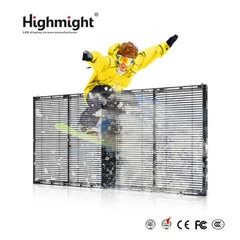
If you're looking for a display that can blend in with its surroundings or be used in creative ways, transparency is a key factor. High transparency LED crystal film screen is a great choice in this regard.
High - transparency displays allow light to pass through, which means they can be installed on glass surfaces without blocking the view. This is perfect for store windows or architectural applications.
6. Think About Energy Efficiency
Let's face it, running an LED display can consume a fair amount of energy. So, it's a good idea to choose an energy - efficient display.
Look for displays with features like automatic brightness adjustment. These displays can adjust their brightness based on the ambient light, which helps save energy. Some displays also use advanced LED chips that are more energy - efficient than traditional ones.
7. Consider the Installation and Maintenance
Installing a waterproof flexible LED display should be as hassle - free as possible. Look for displays that come with clear installation instructions and, if possible, installation support from the supplier.
Maintenance is also important. You'll want a display that's easy to clean and repair. Some displays have modular designs, which means you can easily replace individual modules if they break down.


8. Check the Supplier's Reputation
As a supplier myself, I know how important it is to choose a reliable supplier. Do some research on the supplier's reputation. Look for reviews and testimonials from other customers.
A good supplier should offer a warranty on their products. This gives you peace of mind knowing that if something goes wrong, you're covered. They should also have good customer support, so you can get help whenever you need it.
Conclusion
Choosing a waterproof flexible LED display might seem like a daunting task, but if you follow these steps, you'll be well on your way to finding the perfect display for your needs.
Remember to consider your specific requirements, the environment, image quality, flexibility, transparency, energy efficiency, installation, and the supplier's reputation. And if you have any questions along the way, don't hesitate to reach out to us.
We're here to help you make the best choice and get the most out of your LED display. Whether you're a small business owner looking to spruce up your storefront or an event organizer planning a large - scale outdoor show, we've got the right display for you. So, if you're interested in purchasing a waterproof flexible LED display, feel free to contact us for more information and to start the procurement process.
References
- LED Display Handbook: A comprehensive guide to understanding LED technology and display selection.
- Industry reports on flexible LED display trends and specifications.


