





Hey there! As a supplier of flexible LED displays, I've been getting a ton of questions lately about how to choose the right curvature for these amazing displays. It's a crucial decision that can make or break the look and functionality of your setup, so I thought I'd share some insights based on my experience in the industry.
First things first, let's talk about why curvature matters. A flexible LED display's curvature can significantly impact the viewing experience. It can create a more immersive environment, draw attention to specific areas, and even enhance the overall aesthetic of a space. Whether you're using it for a trade show booth, a retail store, or a large - scale event, the right curvature can make your display stand out from the crowd.
Understanding Your Space
The first step in choosing the curvature is to understand the space where the display will be installed. You need to measure the available area carefully. Consider the dimensions of the wall or the structure where you plan to mount the display. For example, if you're installing it in a small, narrow hallway, a highly curved display might not be the best option as it could make the space feel even more cramped. On the other hand, in a large, open - plan event hall, a more pronounced curve can create a dynamic and engaging focal point.
Think about the viewing angles as well. If your display will be viewed from multiple directions, a gentle curve might be ideal as it allows for better visibility from different positions. But if the viewing is mainly from a single, specific angle, you can get away with a more extreme curvature.
Purpose of the Display
The purpose of your flexible LED display also plays a huge role in determining the curvature. If you're using it for advertising, you might want a more eye - catching curve. A highly curved display can attract passers - by and make your message more memorable. For instance, a High Resolution Outdoor Flexible Module with a bold curve can really pop in an outdoor setting, drawing in potential customers.
If it's for a more informational or educational display, like in a museum or a corporate lobby, a subtler curve might be more appropriate. It allows for a more comfortable viewing experience, especially when people are standing close to the display and reading the content.
Content Considerations
The type of content you'll be displaying is another important factor. If you're showing videos or high - motion graphics, a curve that follows the natural flow of the action can enhance the viewing experience. For example, if you're showing a car race video, a curved display that mimics the shape of a racetrack can make the viewer feel like they're right in the middle of the action.
Static images, on the other hand, might not require as extreme a curve. A gentle curve can still add some visual interest without being too distracting. And if you're using a High Brightness Indoor Flexible Module for indoor signage with simple text and logos, a modest curve can help the content stand out while maintaining readability.
Technical Limitations
It's also essential to be aware of the technical limitations of your flexible LED display. Different models have different minimum and maximum curvature radii. You need to check the specifications provided by the manufacturer. Trying to bend the display beyond its recommended limits can damage the LEDs and reduce the lifespan of the product.
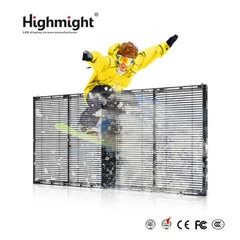
Some displays are more flexible than others. For example, a High transparency LED crystal film screen might have a different curvature range compared to a standard flexible LED panel. Make sure you choose a display that can achieve the curvature you need while still maintaining its performance.


Budget Constraints
Let's face it, budget is always a consideration. More extreme curvatures might require more advanced manufacturing techniques and higher - quality materials, which can drive up the cost. You need to find a balance between the curvature you want and what you can afford. Sometimes, a slightly less curved display can still achieve a great look at a more reasonable price.
Testing and Mock - Ups
Before making a final decision, it's a good idea to create a mock - up or test the display in the actual space. You can use a small section of the display or a 3D model to visualize how the curvature will look. This can help you make any necessary adjustments and ensure that you're happy with the final result.
Conclusion
Choosing the right curvature for your flexible LED display is a multi - faceted decision. It involves considering the space, the purpose, the content, technical limitations, and your budget. By taking the time to evaluate these factors carefully, you can select a curvature that not only looks great but also meets your specific needs.
If you're still unsure about which curvature is right for you or have any other questions about our flexible LED displays, don't hesitate to reach out. We're here to help you make the best choice for your project. Whether you're a small business owner looking to spruce up your storefront or an event planner creating a large - scale installation, we've got the expertise and the products to make your vision a reality. Contact us today to start the conversation and explore the possibilities of our flexible LED displays!
References
- Industry knowledge and experience as a flexible LED display supplier.
- Product specifications and technical documentation from display manufacturers.


