





When it comes to choosing the weight of a flexible LED display, there are multiple factors that need to be taken into account. As a flexible LED display supplier, I've had the privilege of working with a wide range of clients, each with their own unique requirements. In this blog, I'll share some insights on how to make the right decision regarding the weight of a flexible LED display.
Understanding the Basics of Flexible LED Displays
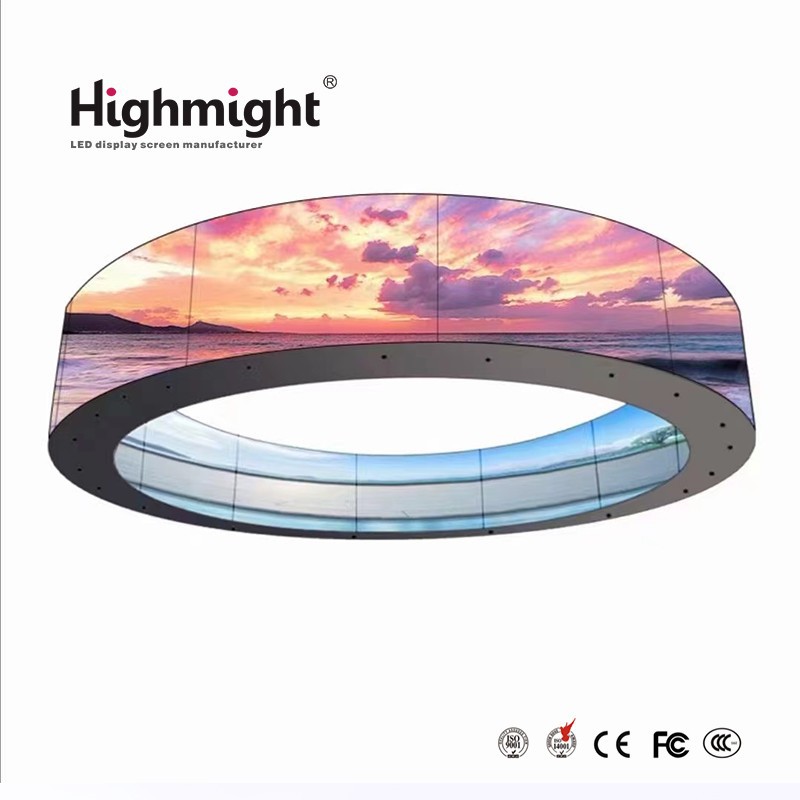
Flexible LED displays are a revolutionary technology that combines the versatility of flexible materials with the visual impact of LED lighting. They can be bent, curved, and shaped to fit various installation requirements, making them ideal for a wide range of applications, from indoor advertising to outdoor events.
The weight of a flexible LED display is an important consideration as it can affect installation, transportation, and long - term durability. A heavier display might offer more stability and potentially better build quality, but it can also pose challenges during installation and increase shipping costs. On the other hand, a lighter display is easier to handle but may not be as robust in certain environments.
Factors Affecting the Weight of Flexible LED Displays
1. Pixel Pitch
Pixel pitch refers to the distance between the centers of two adjacent pixels on an LED display. A smaller pixel pitch means more pixels are packed into a given area, resulting in a higher - resolution display. However, displays with a smaller pixel pitch often have more components, which can increase the weight. For example, a display with a 2mm pixel pitch will generally be heavier than one with a 5mm pixel pitch because there are more LEDs and associated circuitry in the same area.
When choosing the pixel pitch, you need to balance the desired image quality with the weight requirements. If you're installing the display in a location where weight is a major concern, such as a suspended ceiling or a mobile exhibition stand, you might opt for a larger pixel pitch. Conversely, if high - resolution visuals are crucial, like in a corporate lobby or a high - end retail store, a smaller pixel pitch might be worth the additional weight.

2. Panel Size
The size of the flexible LED display panel is another obvious factor influencing its weight. Larger panels naturally contain more LEDs and other components, so they will be heavier than smaller ones. When planning your installation, consider the available space and the structural support. If you're limited by the weight - bearing capacity of the installation site, you may need to use multiple smaller panels instead of one large panel.
For instance, if you're installing a display on a wall with limited structural strength, you could use several small - sized panels arranged in a grid pattern. This way, you can achieve the desired visual effect without overloading the wall.
3. Material Selection
The materials used in the construction of the flexible LED display play a significant role in determining its weight. The base material of the display, for example, can vary. Some displays use a heavier, more rigid base material to provide better stability, while others use a lighter, more flexible material for easier bending and shaping.
In addition, the type of LED chips and the encapsulation material also affect the weight. High - quality LED chips may be more lightweight due to advanced manufacturing techniques, while some encapsulation materials can add extra weight. As a supplier, I often work with clients to select the right combination of materials based on their specific needs.
4. Application Environment
The environment in which the flexible LED display will be used is an important consideration. For outdoor applications, the display needs to be more robust to withstand various weather conditions. This often means using heavier - duty materials and additional protective layers, which can increase the weight.
On the other hand, indoor displays can be lighter because they don't need to endure harsh weather. For example, an indoor display in a shopping mall can be designed with a lighter weight in mind, while an outdoor display for a sports stadium will require a more substantial build.
Comparing Different Types of Flexible LED Displays
High Brightness Indoor Flexible Module
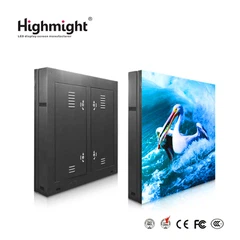
For indoor applications where high brightness is required, our High Brightness Indoor Flexible Module is a great option. These modules are designed to provide excellent visibility even in well - lit indoor environments. In terms of weight, they are relatively light compared to some outdoor - grade displays. The advanced LED technology used in these modules allows for a high level of brightness without adding excessive weight. This makes them ideal for indoor advertising, trade shows, and corporate events where easy installation and portability are important.
High transparency LED crystal film screen
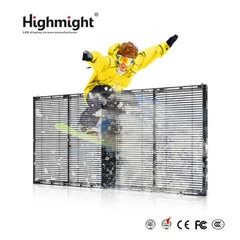
Our High transparency LED crystal film screen is another unique product. This type of display is known for its high transparency, which allows it to blend seamlessly with its surroundings. The design of the crystal film screen is optimized to be lightweight, making it suitable for applications such as glass facades in commercial buildings. The thin and flexible nature of the screen means that it can be easily installed on glass surfaces without adding much weight or stress.
Making the Right Choice
To choose the appropriate weight of a flexible LED display, start by clearly defining your requirements. Consider the following steps:
- Determine the application: Decide whether the display will be used indoors or outdoors, for advertising, entertainment, or other purposes. This will help you understand the environmental and performance requirements.
- Assess the installation site: Evaluate the available space, the structural support, and any weight - bearing limitations. This will give you an idea of how much weight the installation can handle.
- Define the visual requirements: Decide on the desired pixel pitch, resolution, and brightness. This will help you narrow down the options and understand the trade - offs between image quality and weight.
- Consult with a professional: As a flexible LED display supplier, I'm always available to provide expert advice. We can work together to analyze your specific needs and recommend the most suitable display based on weight, performance, and budget.
Conclusion
Choosing the weight of a flexible LED display is a complex decision that involves considering multiple factors such as pixel pitch, panel size, material selection, and application environment. By carefully evaluating your requirements and consulting with a professional supplier, you can make an informed choice that meets your visual needs while also taking into account the practical considerations of installation and transportation.
If you're interested in learning more about our flexible LED displays or would like to discuss your specific requirements, please don't hesitate to reach out. We're here to help you find the perfect solution for your project.
References
- "LED Display Technology Handbook", Publisher: XYZ Publications
- Industry reports on flexible LED displays from leading market research firms.


