


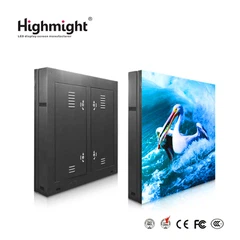

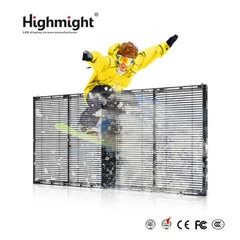


Hey there! If you're in the market for indoor rental LED displays, you've probably wondered how to connect multiple ones together. Well, you're in the right place! I'm from an indoor rental LED display supplier, and I'm gonna share some tips on this topic.


Why Connect Multiple Indoor Rental LED Displays?
First off, let's talk about why you'd want to connect multiple indoor rental LED displays. There are a bunch of reasons. Maybe you're hosting a large - scale indoor event like a concert, a corporate conference, or a trade show. A single display might not be enough to cover the entire area or to show all the content you need. By connecting multiple displays, you can create a large - format video wall that grabs everyone's attention.
Another reason could be for creative purposes. You can arrange the displays in different shapes and sizes to form unique visual setups. For example, you could create a curved video wall or a multi - tiered display. This kind of setup can really enhance the overall look and feel of your event.
What You Need Before Connecting
Before you start connecting those indoor rental LED displays, there are a few things you need to have on hand.
- Displays: Obviously, you need the Indoor LED Rental Display units themselves. Make sure they are in good working condition and that they are compatible with each other. This means they should have the same resolution, refresh rate, and color calibration as much as possible.
- Video Processor: A video processor is crucial. It takes the input video signal and divides it up so that each display gets the right part of the image. It also helps to ensure that the colors and brightness are consistent across all the displays. There are different types of video processors available, and you'll need to choose one that can handle the number of displays you're connecting and the resolution of your content.
- Power Supply: Each display needs a stable power supply. You'll need to calculate the total power consumption of all the displays and make sure you have enough power outlets and the right power cables. It's also a good idea to use surge protectors to prevent any damage from power spikes.
- Cables: You'll need video cables to connect the displays to the video processor and to each other. HDMI cables are a popular choice because they can carry high - quality video and audio signals. You might also need data cables for some displays, especially if they use a network - based connection.
Step - by - Step Guide to Connecting
Now, let's get into the actual process of connecting multiple indoor rental LED displays.
Step 1: Plan Your Setup
Before you start physically connecting anything, plan out how you want to arrange the displays. Measure the space where you'll be setting up the video wall and decide on the layout. You can use graph paper or a digital design tool to map out the positions of each display. Consider factors like viewing angles, sightlines, and the overall aesthetic you're going for.
Step 2: Install the Displays
Once you have your plan, it's time to install the displays. Make sure the mounting brackets are secure and that the displays are level. If you're creating a large video wall, it might be a good idea to have a team of people to help with the installation. This will ensure that everything is installed safely and correctly.
Step 3: Connect the Power
Connect each display to a power source using the appropriate power cables. Double - check that all the power connections are tight and that there are no loose wires. It's a good idea to turn on the power to each display one by one to make sure they are all getting power and that there are no issues.
Step 4: Connect the Video Cables
Connect the displays to the video processor using HDMI or other video cables. Make sure the cables are plugged in firmly. You might need to refer to the user manuals of the displays and the video processor to figure out the correct cable connections.
Step 5: Configure the Video Processor
Once all the cables are connected, it's time to configure the video processor. This involves setting up the number of displays, the resolution, and the layout of the video wall. You'll usually need to use a software interface on a computer to do this. Follow the instructions in the video processor's manual carefully to ensure that the configuration is correct.
Step 6: Test the Setup
After configuring the video processor, it's time to test the setup. Play some test content on the video wall and check for any issues. Look for any gaps, misalignments, or color differences between the displays. If you notice any problems, you might need to adjust the settings on the video processor or the displays themselves.
Troubleshooting Common Issues
Even if you follow all the steps correctly, you might still run into some issues when connecting multiple indoor rental LED displays. Here are some common problems and how to fix them.
- Display Alignment: If the displays aren't aligned properly, you'll see gaps or overlaps between them. This can usually be fixed by adjusting the physical position of the displays. You might also need to use the alignment features on the video processor to fine - tune the image.
- Color Differences: Sometimes, there might be color differences between the displays. This could be due to variations in the displays themselves or incorrect color calibration on the video processor. You can try adjusting the color settings on the video processor or using a color calibration tool to make the colors more consistent.
- No Signal: If one or more displays aren't getting a signal, check the cable connections. Make sure the cables are plugged in correctly and that there are no damaged cables. You might also need to check the settings on the video processor to make sure it's sending the signal to the correct displays.
Benefits of Renting Indoor LED Displays
Renting indoor LED displays, like the LED Rental Display Rental for Indoor Events and Rent Indoor LED Screen options we offer, has a lot of advantages.
- Cost - Effective: Buying a large number of LED displays can be very expensive, especially if you only need them for a short - term event. Renting allows you to get high - quality displays without the huge upfront cost.
- Flexibility: You can choose the number and size of the displays based on your specific event needs. If you have a small event one time and a large event the next, you can easily adjust the number of displays you rent.
- Maintenance and Support: When you rent from a professional supplier, you don't have to worry about maintenance and technical support. The supplier will take care of any issues that come up during the rental period.
Conclusion
Connecting multiple indoor rental LED displays might seem a bit daunting at first, but with the right equipment and a little know - how, it's definitely doable. Whether you're hosting a small corporate meeting or a large - scale concert, a well - connected video wall can really take your event to the next level.
If you're interested in renting indoor LED displays or have any questions about connecting them, don't hesitate to reach out. We're here to help you make your event a success.
References
- General knowledge from the LED display industry
- User manuals of common indoor rental LED displays and video processors


