


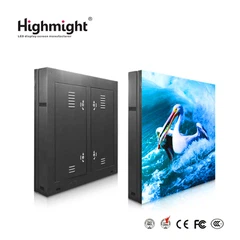

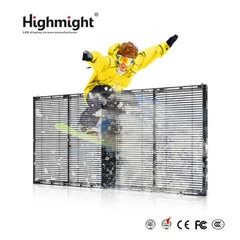


Hey there! As a supplier of indoor LED modules, I know firsthand how crucial it is to ensure their safety during operation. In this blog post, I'll share some practical tips and insights on how to keep your indoor LED modules running safely and smoothly.
Understanding the Basics of Indoor LED Modules
Before we dive into safety measures, let's quickly go over what indoor LED modules are. Indoor LED modules are essentially small, self - contained units that house multiple light - emitting diodes (LEDs). These modules are used in a wide range of indoor applications, such as Indoor Led Display, digital signage, and decorative lighting.
LEDs are known for their energy efficiency, long lifespan, and high brightness. However, like any electrical device, they need to be used and maintained properly to ensure safety.
Choosing High - Quality Components
The first step in ensuring the safety of indoor LED modules is to start with high - quality components. As a supplier, I always recommend going for High - quality LED Module. High - quality LEDs are more reliable and less likely to malfunction. They are also designed to handle the electrical currents and heat generated during operation more effectively.
When selecting LED modules, look for products that have been tested and certified by recognized standards organizations. Certifications like UL (Underwriters Laboratories) or CE (Conformité Européene) indicate that the product meets certain safety and performance standards.
Proper Installation
Proper installation is key to the safe operation of indoor LED modules. Here are some installation tips:
- Follow the Manufacturer's Instructions: This might seem obvious, but it's often overlooked. The manufacturer's instructions are there for a reason – they provide detailed information on how to install the module correctly, including wiring diagrams and mounting procedures.
- Use the Right Tools: Make sure you have the appropriate tools for the installation. Using the wrong tools can damage the module or lead to improper connections, which can be a safety hazard.
- Check the Electrical Connections: Loose or incorrect electrical connections can cause overheating, short circuits, and even fires. Double - check all connections to ensure they are tight and secure.
Thermal Management
Heat is one of the biggest enemies of LED modules. Excessive heat can reduce the lifespan of the LEDs, cause color shifts, and even lead to complete failure. That's why proper thermal management is essential.


- Heat Sinks: Most high - quality indoor LED modules come with heat sinks. These are designed to dissipate heat away from the LEDs. Make sure the heat sinks are properly installed and have enough ventilation around them.
- Ventilation: Ensure that the installation area has adequate ventilation. This can help prevent heat from building up around the LED modules. Avoid installing the modules in enclosed spaces without proper airflow.
Electrical Safety
Electrical safety is non - negotiable when it comes to indoor LED modules.
- Overcurrent Protection: Use appropriate overcurrent protection devices, such as fuses or circuit breakers. These devices will automatically cut off the power if the current exceeds a safe level, preventing damage to the LED modules and reducing the risk of fire.
- Grounding: Proper grounding is essential to protect against electrical shocks. Make sure the LED modules are properly grounded according to electrical codes.
Regular Maintenance
Regular maintenance is crucial for the long - term safety and performance of indoor LED modules.
- Inspections: Conduct regular visual inspections of the LED modules. Look for any signs of damage, such as cracked lenses, loose connections, or discoloration. If you notice any issues, address them immediately.
- Cleaning: Keep the LED modules clean. Dust and dirt can accumulate on the surface of the modules, which can affect their performance and cause overheating. Use a soft, dry cloth to clean the modules.
Environmental Considerations
The environment in which the indoor LED modules are installed can also impact their safety.
- Humidity: High humidity can cause corrosion and electrical shorts. If the installation area has high humidity, consider using humidity - resistant LED modules or installing a dehumidifier.
- Temperature: Extreme temperatures can also affect the performance of LED modules. Make sure the installation area is within the recommended temperature range specified by the manufacturer.
Training and Education
If you're installing or maintaining indoor LED modules yourself, it's important to have the right knowledge and skills. Consider taking a training course on LED module installation and maintenance. This will help you understand the best practices and safety procedures.
Monitoring and Control
Implementing a monitoring and control system can help you keep an eye on the performance of your indoor LED modules.
- Remote Monitoring: Some advanced LED modules come with remote monitoring capabilities. This allows you to check the status of the modules, such as temperature, current, and brightness, from a remote location.
- Automated Control: Automated control systems can adjust the brightness and power consumption of the LED modules based on the ambient light conditions. This not only saves energy but also helps prevent overheating.
Conclusion
Ensuring the safety of indoor LED modules during operation requires a combination of proper component selection, installation, thermal management, electrical safety, maintenance, and environmental considerations. By following these tips, you can minimize the risks and ensure that your indoor LED modules provide reliable and safe lighting for years to come.
If you're in the market for high - quality Indoor LED Display Module, I'd love to have a chat with you. Whether you have questions about our products or need help with installation and maintenance, I'm here to assist. Feel free to reach out and let's start a conversation about your LED module needs.
References
- Lighting Research Center, Rensselaer Polytechnic Institute. "LED Lighting Basics."
- Underwriters Laboratories. "UL Standards for LED Lighting Products."
- International Electrotechnical Commission (IEC). "IEC Standards for Electrical Safety in Lighting."


