


As a dedicated supplier of indoor LED modules, I understand the significance of achieving an outstanding display effect. In this blog post, I'll share some valuable insights and strategies on how to enhance the display performance of indoor LED modules.
1. Select High - Quality LED Modules
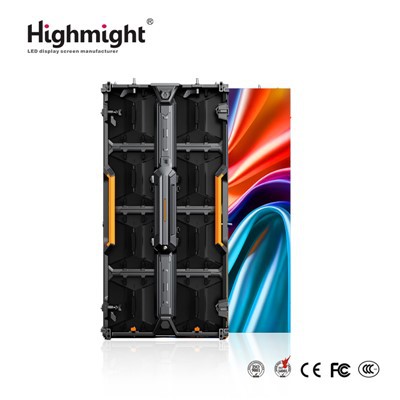
The foundation of a great display effect lies in the quality of the LED modules themselves. When choosing indoor LED modules, opt for products that offer high brightness, excellent color accuracy, and a wide viewing angle. Our Indoor LED Display is designed to meet these requirements. High - brightness modules ensure that the content is clearly visible even in well - lit indoor environments. Color accuracy is crucial for presenting vivid and true - to - life images and videos. A wide viewing angle allows the display to be seen clearly from different positions, which is especially important in public indoor spaces such as shopping malls, airports, and exhibition halls.
2. Optimize the Installation Environment
The installation environment has a significant impact on the display effect of indoor LED modules. First, ensure proper ventilation. LED modules generate heat during operation, and if the heat cannot be dissipated effectively, it can lead to a decrease in brightness and color performance over time. Adequate ventilation helps to maintain a stable operating temperature for the modules.
Second, control the humidity. High humidity can cause damage to the LED modules, such as corrosion of the circuit boards and reduced lifespan. Our Moisture - proof LED Module is specifically designed to resist the negative effects of moisture. It is equipped with advanced moisture - proof technology to ensure reliable performance in humid indoor environments.
3. Adjust the Display Settings
Proper adjustment of the display settings is essential for achieving an optimal display effect. Start by calibrating the brightness. The brightness of the LED display should be adjusted according to the ambient light conditions. In a brightly lit area, a higher brightness setting is required to ensure that the content is visible. Conversely, in a dimly lit environment, a lower brightness setting can prevent eye strain and save energy.
Color calibration is also crucial. Use professional color calibration tools to ensure that the colors on the display are accurate and consistent. This is particularly important for applications such as advertising and digital signage, where color plays a vital role in attracting attention and conveying the intended message.
4. Choose the Right Pixel Pitch
The pixel pitch of an indoor LED module refers to the distance between the centers of two adjacent pixels. A smaller pixel pitch means a higher pixel density, which results in a sharper and more detailed image. However, a smaller pixel pitch also means a higher cost. When selecting the pixel pitch, consider the viewing distance. For applications where the viewers are close to the display, such as in a conference room or a retail store, a smaller pixel pitch is recommended. On the other hand, for large - scale indoor displays in stadiums or convention centers where the viewing distance is relatively long, a larger pixel pitch may be sufficient. Our Indoor LED Display Module is available in a variety of pixel pitches to meet different application requirements.
5. Regular Maintenance and Inspection
Regular maintenance and inspection are necessary to keep the indoor LED modules in good condition and maintain a high - quality display effect. Clean the display surface regularly to remove dust and dirt, which can affect the brightness and clarity of the display. Check the connections and cables to ensure that they are secure and there are no loose or damaged parts.
Inspect the LED modules for any signs of damage or malfunction, such as dead pixels or uneven brightness. If any problems are detected, replace the faulty modules promptly to avoid further deterioration of the display effect.
6. Use Advanced Control Systems
Advanced control systems can greatly enhance the display effect of indoor LED modules. These systems allow for easy management of the display content, including scheduling, playback, and remote control. With a user - friendly control interface, you can quickly update the display content, change the display settings, and monitor the status of the LED modules.


Some advanced control systems also support real - time data integration, which means that you can display dynamic information such as stock prices, weather forecasts, and traffic updates on the LED display. This adds an extra layer of interactivity and relevance to the display, making it more engaging for the viewers.
7. Consider the Content Design
The design of the display content also plays a crucial role in the overall display effect. Use high - resolution images and videos to ensure that the content looks sharp and clear on the LED display. Avoid using too much text or complex graphics, as they may be difficult to read or understand from a distance.
Choose colors that are complementary and visually appealing. The color scheme should match the brand identity and the intended message of the content. Pay attention to the contrast between the text and the background to ensure that the text is legible.
8. Upgrade the LED Modules Regularly
Technology is constantly evolving, and new and improved LED modules are being developed all the time. Upgrading your indoor LED modules regularly can help you to stay ahead of the competition and provide a better display experience for your audience. Newer LED modules often offer higher brightness, better color accuracy, and lower power consumption.
When upgrading, consider the compatibility with your existing display system. Our team of experts can provide you with professional advice on the best upgrade options for your specific needs.
In conclusion, improving the display effect of indoor LED modules requires a comprehensive approach that includes selecting high - quality modules, optimizing the installation environment, adjusting the display settings, choosing the right pixel pitch, regular maintenance, using advanced control systems, considering the content design, and upgrading the modules regularly. By following these strategies, you can ensure that your indoor LED display delivers a stunning visual experience that attracts attention and leaves a lasting impression.
If you are interested in our indoor LED modules and would like to discuss your specific requirements, please feel free to contact us for a detailed consultation. We are committed to providing you with the best products and solutions to meet your display needs.
References
- LED Display Technology Handbook
- Lighting Research Center Publications
- Industry Reports on Indoor LED Displays