



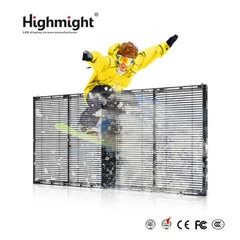


Hey there! I'm a supplier of LED crystal film screens, and I know how important it is for these screens to be stable. In this blog, I'll share some tips on how to improve the stability of an LED crystal film screen, based on my experience in the industry.
1. Choose High - Quality Components
The first step in ensuring the stability of an LED crystal film screen is to start with high - quality components. The LED chips, for example, are the heart of the screen. You should go for chips from well - known manufacturers that have a proven track record of reliability. These chips usually have better heat dissipation and longer lifespans, which directly contribute to the overall stability of the screen.
Another crucial component is the substrate. A good substrate provides a solid foundation for the LED chips and other electronic components. It should have high mechanical strength and good electrical insulation properties. Look for substrates made from materials like fiberglass or ceramic, as they offer better stability compared to cheaper alternatives.
2. Proper Installation
Installing an LED crystal film screen correctly is super important. First of all, make sure the installation surface is flat and clean. Any unevenness can cause stress on the screen, leading to potential damage over time. If the surface has bumps or dents, it's best to smooth it out before installation.
When mounting the screen, use the right mounting hardware. Screws and brackets should be tightly secured but not overly tightened, as this could crack the screen. Also, follow the manufacturer's installation instructions carefully. For instance, some screens require a specific gap between the mounting surface and the screen for proper ventilation. Failure to adhere to these guidelines can lead to overheating and instability.
3. Good Environmental Conditions
The environment where the LED crystal film screen is placed plays a big role in its stability. Temperature and humidity are two key factors. Extreme temperatures can affect the performance of the LED chips and other components. High temperatures can cause the chips to overheat, which may lead to color distortion or even complete failure. On the other hand, very low temperatures can make the components brittle and more prone to damage.
It's recommended to keep the screen in an environment with a temperature range of about 20 - 30 degrees Celsius. To control the temperature, you can install air - conditioning systems or heaters in the room, depending on the climate.
Humidity is also a concern. High humidity can cause corrosion of the electronic components, while low humidity can lead to static electricity buildup. Aim for a relative humidity of around 40 - 60%. You can use dehumidifiers or humidifiers to maintain the right humidity level.
4. Regular Maintenance
Regular maintenance is essential for keeping an LED crystal film screen stable. Clean the screen regularly to remove dust and dirt. You can use a soft, dry cloth to gently wipe the screen surface. Avoid using abrasive materials or harsh chemicals, as they can scratch or damage the screen.
Inspect the screen for any signs of damage, such as cracks or loose connections. If you notice any issues, address them immediately. For example, if a connection is loose, tighten it carefully. Also, check the power supply regularly to ensure it's providing a stable voltage. A fluctuating power supply can cause the screen to flicker or malfunction.
5. Professional Calibration
Professional calibration can significantly improve the stability and performance of an LED crystal film screen. Calibration ensures that the colors are accurate, the brightness is consistent across the screen, and there are no dead pixels. You should have the screen calibrated by a professional technician at least once a year.
During calibration, the technician will use specialized equipment to measure and adjust the various parameters of the screen. This process can help identify and correct any issues that may be affecting the stability of the screen.
6. Use of Protective Films
Applying a protective film to the LED crystal film screen can offer an extra layer of protection. These films can prevent scratches, reduce glare, and protect against UV rays. There are different types of protective films available in the market, so choose one that is specifically designed for LED screens.
When applying the protective film, make sure to do it correctly. Remove any dust or debris from the screen surface first, and then carefully align the film and apply it smoothly to avoid air bubbles.
7. Power Management
Proper power management is crucial for the stability of the LED crystal film screen. Use a high - quality power supply that is rated for the specific requirements of the screen. A power supply with a stable output voltage and current can prevent issues like flickering and overheating.
You can also consider using a surge protector. Power surges can occur due to lightning strikes or other electrical disturbances. A surge protector can safeguard the screen by diverting excess voltage away from the device, protecting it from potential damage.
8. Software Updates
If your LED crystal film screen has associated software, make sure to keep it up - to date. Software updates often include bug fixes, performance improvements, and new features that can enhance the stability of the screen.
Check the manufacturer's website regularly for software updates. Follow the instructions provided to install the updates safely. Sometimes, an outdated software version can cause compatibility issues or other problems that affect the screen's stability.
As an LED crystal film screen supplier, I can offer you high - quality products and professional advice on how to maintain and improve the stability of your screens. If you're interested in purchasing our LED Transparent Crystal Film Screen, or have any questions about improving screen stability, feel free to reach out for a procurement discussion. We're here to help you get the most out of your LED crystal film screens.


References
- General LED display technology handbooks
- Industry reports on LED crystal film screen performance and stability
- My personal experience in the LED crystal film screen supply industry


