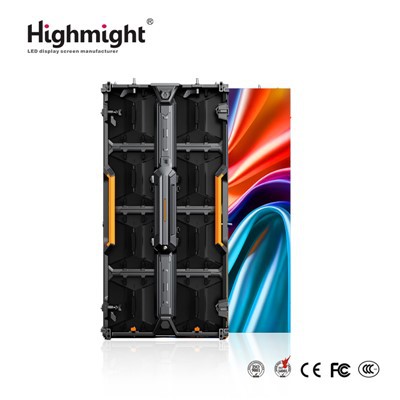



Hey there! As a supplier of Outdoor LED Display Module, I've seen firsthand how important it is to have proper lightning protection for these outdoor gems. In this blog, I'll walk you through the steps of installing a lightning protection device for an outdoor LED display module, so you can keep your investment safe and sound.
Why Lightning Protection Matters
First off, let's talk about why lightning protection is a big deal for outdoor LED display modules. Lightning is a powerful force of nature, and when it strikes, it can cause some serious damage. A direct strike can fry the electronics in your display module, rendering it completely useless. Even a nearby strike can send a surge of electricity through the power lines and damage the internal components.
Not only can lightning damage your display module, but it can also pose a safety risk. If the electrical system in your display is compromised, it could lead to electrical fires or shocks. So, installing a lightning protection device is not just about protecting your investment; it's also about keeping your property and people safe.
Understanding Lightning Protection Devices
Before we dive into the installation process, let's take a quick look at the different types of lightning protection devices available. There are two main types: surge protectors and lightning rods.
Surge protectors are designed to divert excess voltage away from your electrical equipment. They work by detecting a sudden increase in voltage and redirecting it to the ground. Surge protectors are typically installed at the point where the power enters your building or equipment.
Lightning rods, on the other hand, are designed to attract lightning strikes and safely conduct the electricity to the ground. They are typically installed on the roof of a building or on top of a tall structure. When lightning strikes the rod, it travels down a conductor and into the ground, preventing it from damaging the building or equipment below.
For outdoor LED display modules, a combination of surge protectors and lightning rods is often the best approach. Surge protectors can protect your display from power surges caused by nearby lightning strikes, while lightning rods can provide additional protection against direct strikes.
Step-by-Step Installation Guide
Now that you understand the importance of lightning protection and the different types of devices available, let's get into the installation process. Here's a step-by-step guide to installing a lightning protection device for an outdoor LED display module:
Step 1: Choose the Right Location
The first step in installing a lightning protection device is to choose the right location. The location should be as close to the display module as possible, but it should also be easily accessible for maintenance and inspection. You should also make sure that the location is away from any flammable materials or other hazards.
Step 2: Install the Lightning Rod
If you're using a lightning rod, the next step is to install it on top of the display module or on a nearby structure. The lightning rod should be installed at the highest point of the structure to ensure that it attracts lightning strikes. You should also make sure that the lightning rod is properly grounded to prevent the electricity from traveling back into the display module.


Step 3: Install the Surge Protector
Once the lightning rod is installed, the next step is to install the surge protector. The surge protector should be installed at the point where the power enters the display module. You should also make sure that the surge protector is properly rated for the voltage and amperage of your display module.
Step 4: Connect the Grounding System
The final step in installing a lightning protection device is to connect the grounding system. The grounding system is designed to provide a path for the electricity to travel safely to the ground. You should make sure that the grounding system is properly installed and connected to the lightning rod and surge protector.
Tips for Maintaining Your Lightning Protection Device
Once you've installed your lightning protection device, it's important to maintain it regularly to ensure that it's working properly. Here are some tips for maintaining your lightning protection device:
- Inspect the device regularly: Check the lightning rod, surge protector, and grounding system for any signs of damage or wear. If you notice any problems, have them repaired or replaced immediately.
- Test the device periodically: Use a multimeter or other testing equipment to test the lightning protection device periodically. This will help you ensure that it's working properly and providing adequate protection.
- Keep the area around the device clear: Make sure that the area around the lightning protection device is clear of any debris or other obstacles. This will help prevent any damage to the device and ensure that it's working properly.
Conclusion
Installing a lightning protection device for an outdoor LED display module is an important step in protecting your investment and keeping your property and people safe. By following the steps outlined in this blog and maintaining your lightning protection device regularly, you can ensure that your display module is protected from lightning strikes and power surges.
If you're interested in learning more about Outdoor LED Display Module or Energy-saving Outdoor LED Modules, or Waterproof LED Module, or have any questions about lightning protection, please don't hesitate to contact us. We're here to help you find the right solution for your needs.
References
- National Fire Protection Association. (2017). NFPA 780: Standard for the Installation of Lightning Protection Systems.
- Underwriters Laboratories. (2019). UL 1449: Standard for Surge Protective Devices.
- International Electrotechnical Commission. (2016). IEC 62305: Protection Against Lightning.