


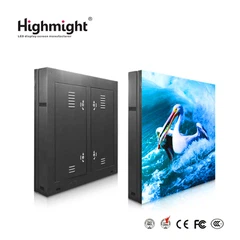

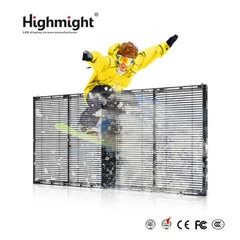


Hey there! As a supplier of outdoor rental LED displays, I've seen firsthand how these bad boys can transform any event or outdoor space. Whether it's a concert, a sports game, or a corporate event, an outdoor rental LED display can take your visual experience to the next level. In this blog post, I'm gonna walk you through the process of installing an outdoor rental LED display, step by step.
Step 1: Planning and Preparation
Before you even think about installing your outdoor rental LED display, you need to do some planning and preparation. This includes:
- Site Survey: First things first, you gotta check out the site where you're gonna install the LED display. Look for a flat, stable surface that can support the weight of the display. Make sure there's enough space around the display for ventilation and maintenance. Also, check for any potential obstacles, like trees or buildings, that could block the view of the display.
- Power Supply: You need to have a reliable power supply for your LED display. Figure out how much power the display will need and make sure you have access to an electrical outlet or generator that can provide enough power. It's a good idea to have a backup power source in case of a power outage.
- Weather Protection: Since the display will be outdoors, you need to protect it from the elements. Look for a display that's weatherproof and can withstand rain, wind, and extreme temperatures. You may also want to consider installing a canopy or shelter over the display to provide additional protection.
- Permissions and Regulations: Depending on where you're installing the display, you may need to obtain permits or follow certain regulations. Check with your local government or event organizers to find out what permissions you need and make sure you comply with all the rules.
Step 2: Assembling the Display
Once you've done all the planning and preparation, it's time to start assembling the display. Here's how you can do it:
- Unpack the Display: Carefully unpack the LED display and all the components. Make sure you have all the parts and that nothing is damaged.
- Install the Frame: Start by installing the frame of the display. Follow the manufacturer's instructions to assemble the frame and make sure it's level and secure.
- Mount the Panels: Once the frame is installed, it's time to mount the LED panels. Carefully lift each panel and attach it to the frame using the mounting brackets or clips. Make sure the panels are aligned properly and that there are no gaps between them.
- Connect the Cables: After the panels are mounted, you need to connect the cables. Connect the power cables, data cables, and any other cables that are required for the display to function. Make sure the cables are properly connected and that there are no loose connections.
Step 3: Testing the Display
After you've assembled the display, it's important to test it to make sure it's working properly. Here's how you can do it:
- Power On the Display: Turn on the power supply and check if the display lights up. If the display doesn't turn on, check the power cables and make sure they're properly connected.
- Check the Image Quality: Once the display is on, check the image quality. Make sure the colors are accurate, the contrast is good, and there are no dead pixels or lines on the screen.
- Test the Content: Play some test content on the display to make sure it's displaying correctly. You can use a media player or a computer to play the content.
- Adjust the Settings: If necessary, adjust the settings of the display to optimize the image quality. You can adjust the brightness, contrast, color temperature, and other settings to get the best results.
Step 4: Installing the Display
Once you've tested the display and made sure it's working properly, it's time to install it in its final location. Here's how you can do it:
- Lift the Display: Use a crane or a forklift to lift the display and move it to its final location. Make sure the display is lifted carefully and that it doesn't get damaged during the process.
- Secure the Display: Once the display is in its final location, secure it to the ground or a structure using the mounting brackets or anchors. Make sure the display is level and stable.
- Connect the Power and Data Cables: Connect the power and data cables to the display and the power source. Make sure the cables are properly connected and that there are no loose connections.
- Test the Display Again: After the display is installed, test it again to make sure it's working properly. Play some test content on the display and check the image quality.
Step 5: Maintenance and Support
Once the display is installed and working properly, it's important to maintain it and provide support. Here are some tips on how you can do it:


- Regular Cleaning: Clean the display regularly to remove dust, dirt, and other debris. Use a soft, dry cloth to clean the screen and avoid using abrasive materials or chemicals.
- Inspection and Maintenance: Inspect the display regularly to check for any signs of damage or wear. Make sure the cables are properly connected and that there are no loose connections. If you notice any problems, contact the manufacturer or a professional technician for support.
- Software Updates: Keep the software of the display up to date to ensure optimal performance. Check the manufacturer's website regularly for software updates and install them as needed.
- Technical Support: If you have any questions or problems with the display, contact the manufacturer or a professional technician for technical support. They can help you troubleshoot the problem and provide solutions.
Conclusion
Installing an outdoor rental LED display may seem like a daunting task, but with the right planning, preparation, and support, it can be a relatively easy process. By following the steps outlined in this blog post, you can install your outdoor rental LED display quickly and easily and ensure that it provides a high-quality visual experience for your event or outdoor space.
If you're interested in purchasing an outdoor rental LED display, check out our Rental Led Display Screen, Rental Outdoor HD LED Display, or rental outdoor led screen. We offer a wide range of high-quality outdoor rental LED displays at competitive prices. Contact us today to learn more and to discuss your specific needs.
References
- Manufacturer's installation guides and manuals
- Industry best practices and standards for outdoor LED display installation


