


Hey there! As a supplier of High-quality LED Module, I've seen firsthand how crucial it is to maintain these little wonders to keep them shining bright and performing at their best. In this blog, I'm gonna share some tips on how you can maintain a high-quality LED module.
Understanding Your LED Module
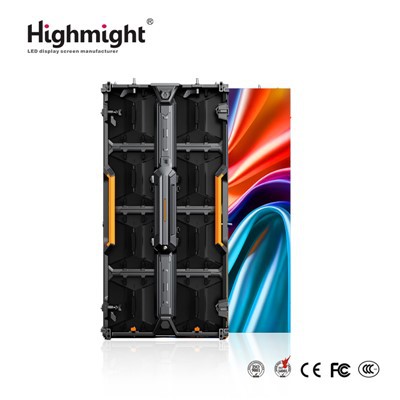
First things first, you gotta understand what makes up an LED module. An LED module typically consists of multiple light-emitting diodes (LEDs) mounted on a circuit board. These LEDs are what produce the light, and the circuit board helps distribute power evenly to each LED. Different types of LED modules, like Indoor LED Display Module and Moisture-proof LED Module, have different features and requirements.
For example, indoor LED display modules are designed for use inside buildings, so they don't need to be as rugged as outdoor ones. They usually have a higher pixel density, which means they can display more detailed images. On the other hand, moisture-proof LED modules are built to withstand humid environments. They have special coatings or enclosures to protect the LEDs from moisture damage.
Installation Matters
Proper installation is the foundation of good LED module maintenance. When installing your LED module, make sure you follow the manufacturer's instructions carefully. Here are some key points to keep in mind:
- Location: Choose a suitable location for your LED module. For indoor modules, avoid areas with direct sunlight or high humidity. If you're using a moisture-proof module, it can handle a bit more humidity, but still, try to keep it away from water sources.
- Mounting: Use the right mounting hardware and make sure the module is securely attached. Loose mounting can cause vibrations, which may damage the LEDs or the circuit board over time.
- Wiring: Connect the wires correctly. Incorrect wiring can lead to short circuits, which can not only damage the module but also pose a safety hazard.
Cleaning and Dust Removal
Dust and dirt can accumulate on the surface of your LED module over time, which can reduce its brightness and performance. Regular cleaning is essential to keep it looking and working its best.
- Frequency: How often you need to clean your LED module depends on its environment. If it's in a dusty area, you may need to clean it every few weeks. For cleaner indoor environments, once a month or even less frequently may be sufficient.
- Method: Use a soft, dry cloth to gently wipe the surface of the module. Avoid using abrasive materials or harsh chemicals, as they can scratch the LEDs or damage the protective coatings. If there are stubborn stains, you can use a mild cleaning solution, but make sure to test it on a small, inconspicuous area first.
Temperature and Heat Management
LEDs generate heat when they're in use, and excessive heat can shorten their lifespan. That's why it's important to manage the temperature of your LED module.


- Ventilation: Make sure there's proper ventilation around the module. If it's installed in an enclosed space, consider adding a fan or ventilation holes to help dissipate the heat.
- Avoid Overloading: Don't exceed the recommended power rating of the module. Overloading can cause the LEDs to overheat and fail prematurely.
Power Supply and Electrical Maintenance
A stable power supply is crucial for the proper functioning of your LED module. Here are some tips for power supply and electrical maintenance:
- Use a Good Power Supply: Invest in a high-quality power supply that can provide a stable voltage and current. A poor-quality power supply can cause fluctuations in the power, which can damage the LEDs.
- Check the Connections: Regularly inspect the electrical connections to make sure they're tight and free of corrosion. Loose connections can cause voltage drops, which can affect the performance of the module.
Monitoring and Troubleshooting
Keep an eye on your LED module's performance. If you notice any changes in brightness, color, or flickering, it could be a sign of a problem. Here's what you can do:
- Monitor Regularly: Set up a regular monitoring schedule to check the performance of your module. You can use a light meter to measure the brightness and compare it to the initial readings.
- Troubleshoot: If you encounter a problem, try to identify the cause. It could be a simple issue like a loose connection or a more serious problem with the LEDs or the power supply. If you're not sure how to fix it, don't hesitate to contact the manufacturer or a professional technician.
Storage
If you need to store your LED module for an extended period, here's how to do it properly:
- Clean and Dry: Before storing, clean the module and make sure it's completely dry.
- Protect from Damage: Wrap the module in a protective material, like bubble wrap, to prevent it from getting scratched or damaged.
- Store in a Cool, Dry Place: Keep the module in a cool, dry place away from direct sunlight and moisture.
Conclusion
Maintaining a high-quality LED module isn't rocket science, but it does require some attention and care. By following these tips, you can ensure that your LED module lasts longer and performs at its best.
If you're in the market for a high-quality LED module or have any questions about maintenance, feel free to reach out. We're here to help you make the most of your LED investment.
References
- General knowledge from the LED industry and experience as a High-quality LED Module supplier.