


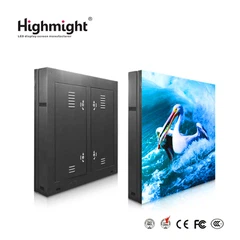

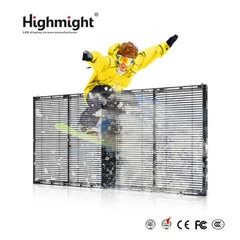


Hey there! As an outdoor LED module supplier, I've seen firsthand how crucial it is to optimize the display effect of these modules. Whether it's for advertising billboards, event displays, or architectural lighting, a great display can make all the difference. In this blog post, I'll share some tips and tricks on how to get the most out of your outdoor LED modules.

1. Choose the Right Module
The first step in optimizing your outdoor LED display is to choose the right module. There are a few key factors to consider:

- Pixel Pitch: Pixel pitch refers to the distance between each pixel on the LED module. A smaller pixel pitch means higher resolution and better image quality, but it also means a higher cost. You'll need to balance your budget with the desired viewing distance and image quality. For example, if your display will be viewed from a long distance, you can get away with a larger pixel pitch.
- Brightness: Outdoor LED modules need to be bright enough to be visible in direct sunlight. Look for modules with a high brightness rating, typically measured in nits. A brightness of at least 5000 nits is recommended for most outdoor applications.
- Contrast Ratio: The contrast ratio is the difference between the brightest and darkest parts of an image. A high contrast ratio will make your images and videos look more vivid and engaging. Look for modules with a contrast ratio of at least 3000:1.
- Color Accuracy: Color accuracy is important for creating a realistic and appealing display. Look for modules with a high color gamut and good color uniformity.
When choosing an outdoor LED module, it's also important to consider the quality of the components and the reputation of the manufacturer. You want to make sure you're getting a reliable and durable product that will last for years to come. Check out our Outdoor LED Display Module for high-quality options.
2. Proper Installation
Once you've chosen the right module, it's important to install it properly. Here are some tips:
- Mounting: Make sure the module is mounted securely and level. Use the appropriate mounting hardware and follow the manufacturer's instructions.
- Ventilation: Outdoor LED modules generate heat, so it's important to provide adequate ventilation. Make sure there is enough space around the module for air to circulate.
- Waterproofing: Outdoor LED modules need to be waterproof to protect them from the elements. Make sure the module is rated for outdoor use and has proper waterproofing seals.
- Electrical Connections: Make sure all electrical connections are secure and properly insulated. Use the appropriate gauge of wire and follow the electrical code.
Proper installation is crucial for ensuring the longevity and performance of your outdoor LED module. If you're not comfortable installing the module yourself, consider hiring a professional installer.
3. Content Optimization
The content you display on your outdoor LED module is just as important as the module itself. Here are some tips for optimizing your content:
- Keep it Simple: Outdoor displays are often viewed from a distance, so it's important to keep your content simple and easy to read. Use large fonts, bold colors, and clear images.
- Use High-Quality Images and Videos: Make sure your images and videos are high-resolution and of good quality. Blurry or pixelated images will look bad on your display.
- Animate Your Content: Animation can make your content more engaging and eye-catching. Use simple animations to add movement and interest to your display.
- Update Your Content Regularly: To keep your audience engaged, it's important to update your content regularly. Change your images, videos, and messages to keep things fresh and interesting.
When creating content for your outdoor LED module, it's also important to consider the lighting conditions. Make sure your content is visible in both bright sunlight and at night. You may need to adjust the brightness and contrast of your content depending on the time of day.
4. Maintenance and Care
Regular maintenance and care are essential for keeping your outdoor LED module in good working condition. Here are some tips:
- Clean the Module Regularly: Use a soft, dry cloth to clean the module regularly. Avoid using abrasive cleaners or solvents, as they can damage the module.
- Check for Damage: Inspect the module regularly for any signs of damage, such as cracks, loose connections, or burned-out pixels. If you notice any damage, contact a professional for repair.
- Monitor the Temperature: Outdoor LED modules can overheat if they are exposed to direct sunlight for extended periods of time. Monitor the temperature of the module and make sure it stays within the recommended range.
- Backup Your Content: Make sure you have a backup of all your content in case of a system failure or data loss.
By following these maintenance and care tips, you can extend the lifespan of your outdoor LED module and ensure that it continues to perform at its best.
5. Energy Efficiency
In addition to optimizing the display effect of your outdoor LED module, it's also important to consider energy efficiency. Here are some tips:
- Choose Energy-Saving Modules: Look for Energy-saving Outdoor LED Modules that are designed to use less power. These modules typically use high-efficiency LEDs and advanced power management systems.
- Use a Dimming System: A dimming system allows you to adjust the brightness of your display based on the lighting conditions. This can help reduce energy consumption and extend the lifespan of your module.
- Turn Off the Display When Not in Use: If your display is not being used, turn it off to save energy. You can use a timer or a motion sensor to automatically turn off the display when it's not needed.
By implementing these energy-saving tips, you can reduce your energy costs and make your outdoor LED module more environmentally friendly.
Conclusion
Optimizing the display effect of your outdoor LED module is a combination of choosing the right module, proper installation, content optimization, maintenance and care, and energy efficiency. By following these tips, you can create a high-quality, engaging, and energy-efficient display that will attract attention and make a lasting impression.
If you're interested in learning more about our outdoor LED modules or have any questions about optimizing your display, please don't hesitate to contact us. We'd be happy to help you find the right solution for your needs.
References
- LED Lighting Technology: Principles and Applications, by John C. Lin
- Outdoor LED Display Design and Installation Guide, by ABC LED Company


