


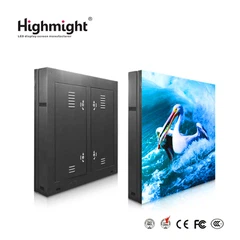

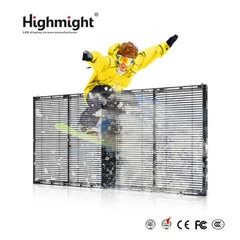


Hey there! As a supplier of Indoor LED Display Modules, I've seen firsthand how important it is to optimize the display quality of these modules. Whether you're using them for advertising, information dissemination, or just adding a bit of flair to your indoor space, a high-quality display can make all the difference. In this blog post, I'll share some tips and tricks on how to get the most out of your indoor LED display module.


1. Choose the Right LED Module
The first step in optimizing the display quality of your indoor LED display module is to choose the right one for your needs. Not all LED modules are created equal, and different models have different specifications that can affect the overall display quality.
When selecting an LED module, pay attention to the pixel pitch. Pixel pitch refers to the distance between the centers of two adjacent pixels on the display. A smaller pixel pitch generally means a higher resolution and better image quality, especially when the display is viewed up close. However, smaller pixel pitch modules also tend to be more expensive. So, you'll need to find a balance between your budget and the viewing distance of your audience.
If you're looking for a High-quality LED Module, make sure to check the color accuracy, contrast ratio, and brightness levels. A high contrast ratio ensures that the blacks are deep and the whites are bright, while good color accuracy makes the images and videos look more realistic. Brightness is also crucial, especially in well-lit indoor environments. You want a module that can produce enough light to be clearly visible without being too harsh.
2. Proper Installation
Once you've chosen the right LED module, proper installation is key to achieving optimal display quality. Here are some installation tips to keep in mind:
- Mounting Surface: Make sure the mounting surface is flat, sturdy, and level. Any unevenness can cause the display to appear distorted or have uneven brightness.
- Ventilation: LED modules generate heat, and proper ventilation is essential to prevent overheating. Ensure that there is enough space around the module for air to circulate.
- Cable Management: Keep the cables organized and properly connected. Loose or damaged cables can cause signal interference, which can lead to display issues such as flickering or color distortion.
If you're not confident in your installation skills, it's always a good idea to hire a professional installer. They have the experience and tools to ensure that the module is installed correctly and safely.
3. Calibration
Calibration is an important step in optimizing the display quality of your indoor LED display module. It involves adjusting the brightness, contrast, color temperature, and other settings to ensure that the display looks its best.
Most modern LED modules come with built-in calibration tools that allow you to make these adjustments easily. However, if you're not familiar with the calibration process, it's best to consult the manufacturer's instructions or hire a professional calibrator.
During the calibration process, you'll need to use a calibration device, such as a colorimeter or a spectrophotometer, to measure the display's color accuracy and other parameters. Based on the measurements, you can then adjust the settings until the display meets your desired specifications.
4. Content Management
The content you display on your indoor LED display module can also have a significant impact on the overall display quality. Here are some content management tips to keep in mind:
- Resolution: Make sure the content you're displaying has a high enough resolution to match the pixel pitch of your LED module. If the resolution is too low, the images and videos will appear pixelated and blurry.
- Color Palette: Use a color palette that is appropriate for the display. Avoid using colors that are too bright or too saturated, as they can be hard on the eyes and may not look good on the LED module.
- Refresh Rate: The refresh rate of the content should match the refresh rate of the LED module. A low refresh rate can cause flickering, which can be distracting and even cause eye strain.
There are many content management systems available that can help you create, schedule, and manage the content on your LED display module. These systems often come with templates and tools that make it easy to create professional-looking content.
5. Maintenance
Regular maintenance is essential to keep your indoor LED display module in top condition and ensure optimal display quality. Here are some maintenance tips to keep in mind:
- Cleaning: Clean the display regularly to remove dust, dirt, and other debris. Use a soft, dry cloth to wipe the surface of the module gently. Avoid using abrasive cleaners or solvents, as they can damage the display.
- Inspection: Periodically inspect the module for any signs of damage or wear. Check the cables, connectors, and power supply for any loose or damaged parts. If you notice any issues, address them immediately to prevent further damage.
- Software Updates: Keep the software of your LED module up to date. Manufacturers often release software updates to improve the performance and functionality of the module, as well as to fix any bugs or security vulnerabilities.
By following these maintenance tips, you can extend the lifespan of your LED display module and ensure that it continues to provide high-quality display for years to come.
Conclusion
Optimizing the display quality of an indoor LED display module requires a combination of choosing the right module, proper installation, calibration, content management, and maintenance. By following the tips and tricks outlined in this blog post, you can ensure that your indoor LED display module looks its best and provides a great viewing experience for your audience.
If you're interested in purchasing an Indoor LED Display Module or have any questions about optimizing the display quality, feel free to reach out to us. We're here to help you find the right solution for your needs and ensure that you get the most out of your investment.
References
- LED Display Technology Handbook
- Indoor LED Display Installation and Maintenance Guide


