



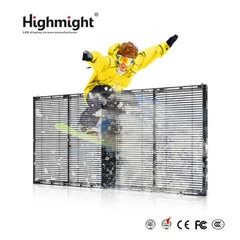


Troubleshooting a transparent LED display can be a daunting task, but with the right knowledge and approach, you can quickly identify and resolve issues. As a transparent LED display supplier, I've encountered various problems over the years and have developed effective troubleshooting strategies. In this blog post, I'll share some common issues and how to address them.
Power - related Issues
One of the most common problems with transparent LED displays is power - related issues. If your display isn't turning on, the first thing to check is the power supply.
- Verify the power source: Ensure that the power cord is properly plugged into both the display and the electrical outlet. Check if the outlet is working by plugging in another device. If the outlet is dead, you may need to check the circuit breaker or consult an electrician.
- Inspect the power adapter: Examine the power adapter for any signs of damage, such as frayed wires or a cracked casing. If there's visible damage, replace the power adapter immediately. You can refer to the product manual to find the correct specifications for the power adapter.
- Check the power switch: Sometimes, the power switch on the display or the control box may be in the off position. Make sure it's switched on. Additionally, check if there are any remote - controlled power switches and ensure they are set to the correct state.
Display Brightness and Color Problems
Inconsistent brightness or color issues can significantly affect the visual quality of your transparent LED display.
- Adjust the brightness settings: Most transparent LED displays come with adjustable brightness settings. You can access these settings through the control software or the display's menu. If the brightness is too low, increase it; if it's too high, reduce it. For High Brightness Transparent LED Display, you may need to fine - tune the settings according to the ambient light conditions.
- Calibrate the color: Color calibration is essential for accurate color representation. Use the color calibration tools provided in the control software. Follow the instructions in the manual to calibrate the red, green, and blue channels. If the colors still appear off, it could be a hardware issue. Check the LED modules for any damaged or malfunctioning diodes.
- Check for uneven brightness: If you notice uneven brightness across the display, it could be due to a faulty power supply to certain areas of the display or a problem with the LED modules. Inspect the connections between the power supply and the modules. You may need to replace any damaged modules to restore uniform brightness.
Image or Video Display Issues
Problems with image or video display can range from distorted images to no display at all.
- Check the signal source: Ensure that the device providing the signal (such as a computer, media player, or video generator) is working correctly. Try connecting the signal source to another display to verify if the problem lies with the source.
- Verify the signal cable: A loose or damaged signal cable can cause display issues. Check the cable connections at both the signal source and the display. If the cable is damaged, replace it with a new one. Different types of signal cables, such as HDMI, DVI, or VGA, may require specific handling and compatibility checks.
- Update the display driver: Outdated display drivers can lead to image or video display problems. Visit the manufacturer's website to download and install the latest drivers for your transparent LED display. Follow the installation instructions carefully.
Physical Damage and Environmental Factors
Physical damage and environmental factors can also impact the performance of your transparent LED display.


- Inspect for physical damage: Look for any visible cracks, scratches, or dents on the display surface. Physical damage can affect the functionality of the LED modules and the overall display quality. If there is significant damage, you may need to replace the affected parts.
- Check the environmental conditions: Transparent LED displays are sensitive to temperature, humidity, and dust. Ensure that the display is installed in an environment within the recommended temperature and humidity range. High humidity can cause moisture to accumulate inside the display, leading to short - circuits and other problems. If the area is dusty, use dust covers and clean the display regularly.
Communication and Control Issues
If you're having trouble controlling the display or if the communication between the control device and the display is not working properly, consider the following steps.
- Check the communication cables: Similar to signal cables, communication cables (such as Ethernet or RS - 485 cables) can become loose or damaged. Ensure that all communication cables are securely connected. If possible, test the cables using a cable tester.
- Verify the control software: Make sure the control software is installed correctly and is compatible with your display model. Check for any software updates and install them if available. Sometimes, software glitches can cause communication issues. Try restarting the control software and the display.
- Check the IP settings: If your display uses network - based communication, verify the IP settings. Ensure that the display and the control device are on the same network and have the correct IP addresses. Incorrect IP settings can prevent proper communication.
LED Module Failures
LED module failures are relatively common and can be identified by dark spots or abnormal lighting on the display.
- Locate the faulty module: Carefully examine the display to identify the specific LED modules that are not working properly. You can use the control software to isolate the problem area.
- Replace the faulty module: Once you've identified the faulty module, turn off the power to the display and carefully remove the damaged module. Replace it with a new module of the same specifications. Make sure to follow the installation instructions in the manual to avoid any further damage.
Preventive Maintenance
To minimize the need for troubleshooting, it's important to perform regular preventive maintenance on your transparent LED display.
- Clean the display regularly: Use a soft, dry cloth to clean the display surface. Avoid using abrasive materials or harsh chemicals, as they can damage the display. For Indoor Transparent LED Display, regular cleaning can help maintain its clarity and visual appeal.
- Inspect the connections periodically: Check all the power, signal, and communication connections for tightness and signs of wear. Loose connections can lead to intermittent problems.
- Keep the display in a suitable environment: As mentioned earlier, maintain the display in an environment with appropriate temperature, humidity, and dust levels. This can extend the lifespan of the display and reduce the likelihood of issues.
In conclusion, troubleshooting a transparent LED display requires a systematic approach. By following the steps outlined above, you can quickly identify and resolve most common issues. If you encounter problems that you're unable to solve on your own, don't hesitate to contact us. As a professional transparent LED display supplier, we have a team of experts ready to assist you. Whether you're looking for Indoor Transparent LED Large Screen or other types of transparent LED displays, we can provide high - quality products and excellent after - sales service. If you're interested in purchasing or have any questions, feel free to reach out to us for a detailed discussion and procurement negotiation.
References
- LED Display Installation and Maintenance Manuals
- Industry Standards and Best Practices for Transparent LED Displays


